What you’ll learn
We’ll explain which breast cancer risk factors are within your control and which aren’t, share actionable steps to reduce your risk, and clear up myths so you can focus on what actually matters.
Worried that your antiperspirant or daily coffee causes breast cancer? These are common myths you might have heard, but neither is true. We know that figuring out what really affects your risk can feel overwhelming. Between conflicting information from friends, online sources, and scary statistics, it’s easy to feel confused.
Understanding your risk factors puts you in a better position to make informed decisions with your provider. We’ll walk you through risk factors you have control over, factors you can’t change, and what you can actually do to lower your risk of breast cancer. We’ll also bust a few more myths along the way.
Understanding the chance of developing breast cancer
Currently, in the United States, a woman has a 1 in 8 chance of being diagnosed with breast cancer at some point in her life. Another way to think about it: 7 in 8 women will never develop it. So, while most women won’t get breast cancer, the odds are real enough that prevention and screening are worth taking seriously.
Risk factors that can be changed
While you can’t control every factor that affects your breast cancer risk, you’re not powerless. Some lifestyle habits and treatments can actually lower your risk and give you more control.
Diet high in processed foods and low in plants
A diet heavy in processed, fried, and sugary foods contributes to inflammation and weight gain, which increases the risk of breast cancer (especially after menopause). On the flip side, a diet rich in fruits and vegetables, whole grains, beans, and healthy fats lowers the risk of several cancers, including breast cancer.
What this means for you: You don’t have to have the perfect diet, but a shift away from sugars and processed foods can support a healthier weight and reduce your overall cancer risk.
Regular alcohol use
Alcohol is well established as a breast cancer risk factor. Even one drink per day is linked to a slight increase in risk, and that risk climbs with heavier drinking. Alcohol raises estrogen levels and damages DNA in cells, both of which may contribute to breast cancer development.
What this means for you: If you drink, cutting back on how often or how much you drink is a practical way to lower breast cancer risk over time.
Being overweight after menopause
After menopause, body weight plays a bigger role in breast cancer risk. When your ovaries stop producing estrogen, your body starts making more of it in fat tissue. More body fat means more estrogen, plus chronic inflammation, both of which are linked to an increased risk of hormone receptor-positive breast cancer.
What this means for you: Even a moderate loss of 5 to 10% of your body weight can improve overall health markers. Moving your body and eating a healthier diet can go a long way in lowering your long-term risk.
Not getting enough physical activity
Regular movement and physical activity help regulate estrogen, support a healthy weight, and reduce inflammation, all of which lower your risk for breast cancer.
What this means for you: You don’t have to run marathons or live at the gym. Aim for at least 150 minutes of moderate activity per week. That breaks down to about 30 minutes, five days a week. Brisk walks, swimming, cycling, and yard work all count towards this goal.
Smoking or tobacco use
Tobacco use increases the risk of breast cancer, especially if you started smoking young or have smoked for many years. The chemicals in tobacco can damage DNA and affect your hormone levels, contributing to cancer development.
What this means for you: Quitting smoking is one of the most effective health decisions you can make, improving your health and lowering your risk of cancer and other serious diseases.
Using combined menopause hormone therapy (MHT)
When taken for more than 5 years to relieve menopause symptoms such as hot flashes and night sweats, combined MHT has been associated with a small increase in breast cancer risk.
What this means for you: This doesn’t mean hormone therapy is an automatic no-go for you. For many women, the benefits (better sleep, improved quality of life, relief from debilitating symptoms) may be worth the small increase in risk. Whether MHT makes sense for you depends on your personal health history. Your provider can review your family and medical history of breast cancer, blood clots, and heart disease to help you weigh the pros and cons.
Current clinical guidelines for MHT say that for most healthy women starting hormone therapy before age 60 or within 10 years of menopause, the benefits outweigh the risks.
Breast cancer risk factors that cannot be changed
Some breast cancer risks can’t be helped because they’re built into your biology or medical history. None of these factors means you’ll definitely get breast cancer. But sharing them with your provider helps them understand your baseline risk so they can decide what kind of screening and prevention plan is best for you.
Age
Breast cancer risk goes up as you get older, with most cases occurring in women over 40, especially after menopause. While younger women can get breast cancer, age is one of the strongest factors.
Being biologically female
Breast cancer can occur in either sex, but it is far more common in women, who account for about 99% of cases. This happens because estrogen and progesterone, along with female breast tissue structure, play a major role in how breast cells grow, divide, and repair.
Inherited genetics
Some people are born with variations of genes that can increase their lifetime risk of breast cancer. BRCA1 and BRCA2 are the most well-known examples and can significantly raise your chances. Other genetic factors to consider are personal or family history of breast cancer (particularly diagnosed before age 50), both breast and ovarian cancers, and cases of male breast cancer.
Family history of breast or ovarian cancer
Even if you don’t have a gene variation, having close relatives with breast or ovarian cancer, especially a mother, sister, or daughter, can raise your own risk.
“Family history is important in identifying those who should be tested for the BRCA1 and BRCA2 mutations.”
“Women who have family members with breast, ovarian, fallopian tube, or peritoneal cancers may be at risk for these harmful mutations,” continues Dr. Sherry. “A male family member with breast cancer may put a female relative at risk and should be tested, as well.”
If you have a family history of breast or ovarian cancer, your provider may recommend genetic counseling or testing for a better understanding of your risk and prevention options.
Personal history of breast cancers or certain breast conditions
If you’ve had breast cancer before, you’re more likely to develop a new cancer. Certain noncancerous breast conditions also increase risk, including dense breast tissue, atypical hyperplasia, lobular carcinoma in situ (LCIS), and ductal carcinoma in situ (DCIS).
Menstrual and reproductive history
Your lifetime exposure to hormones like estrogen plays a role here. Starting your period before the age of 12, going through menopause after age 55, never having a full-term pregnancy, or having your first full-term pregnancy after age 30 all contribute to increased estrogen exposure and higher odds.
Receiving chest radiation at a younger age
Radiation therapy to the chest for treating another cancer, like Hodgkin lymphoma, particularly before age 30, raises your risk later in life.
Your mother took diethylstilbestrol (DES) while pregnant with you
Between 1940 and 1971, some pregnant women in the United States took DES to prevent miscarriages. Those women, along with the children they carried while taking DES, have a higher risk of getting breast cancer.
Who is at risk for breast cancer?
Women with one or more of these factors face higher odds. If any of these apply to you, bring them up with your provider at your next appointment:
- Family history of breast or ovarian cancer in close relatives
- A known gene variation (BRCA1, BRCA2, or others)
- Personal history of breast cancer
- High-risk breast conditions like dense tissue, atypical hyperplasia, LCIS, or DCIS
- Past chest radiation treatment at a young age
- Very early periods (before 12) or very late menopause (after 55)
Myths that do not cause breast cancer
You may have seen some scary headlines or ominous social media posts that blame everyday things for causing breast cancer. However, many of these claims aren’t supported by science. Let’s clear up some common myths you may have been worried about.
Do antiperspirants cause cancer?
No. There’s no scientific evidence linking antiperspirants to breast cancer. Researchers have thoroughly studied concerns about aluminum and chemical absorption through the skin, and they’ve found no connection.
Can mammograms increase cancer risk?
Mammograms do expose you to radiation, but the cancer risk is low and greatly outweighed by the benefits of early detection.
Can you get breast cancer from being punched?
No, being punched in the breast does not cause breast cancer. Cancer develops from changes to cell DNA. Physical trauma, like bruises or injuries, can’t cause those changes.
Does caffeine cause breast cancer?
No. Researchers have studied coffee and caffeine consumption extensively, and there’s no evidence linking it to breast cancer. Your daily coffee ritual isn’t putting you at risk. In fact, caffeine may have a protective effect in postmenopausal women.
Book a visit with a QuickMD doctor
The thought of breast cancer can be overwhelming, but there are preventative measures you can take, lifestyle changes you can make, and screening tests you can stay on top of to help lower your risk and catch issues early.
If you’re interested in taking MHT to manage your menopause symptoms but have concerns about breast cancer risk, we can help. Our team will review your personal and family history, explain how hormone therapy may affect your risk, and create a treatment plan that makes sense for your situation.
Frequently asked questions
What age is common for breast cancer?
Breast cancer is most commonly diagnosed in women 50 and older, with the average age at diagnosis being 62 years old.
Do all women get breast cancer?
No, not all women get breast cancer. In the United States, 1 in 8 women (or 12.9%) will be diagnosed with breast cancer.
When should I worry about changes in my breasts?
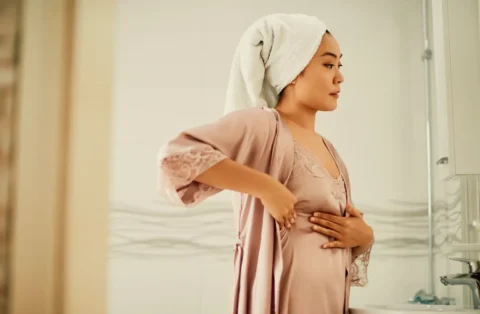
It’s important to know your own breast tissue, which is why monthly self-checks are so important. This can help you detect something that’s not normal for your breasts. “Pay attention to skin changes, new changes in breast size and shape, nipple discharge, and new lumps and bumps,” encourages Dr. Sherry. “These are important to identify and bring to the attention of your healthcare provider.
When should I start doing self-breast exams?
Doing a monthly self-breast exam is the start of knowing what your normal is when it comes to familiarizing yourself with your breasts. In addition, Dr. Sherry also recommends that, “It’s also equally important to look at your breasts in the mirror to see if there are any visible skin changes.” Changes including in the size or shape of the breasts, dimpling, puckering, swelling, redness or darkening of the skin, itchy, scaly sores or rashes seen on the nipples or nipple discharge. “Feeling and visualizing your breasts should be a part of your monthly routine,” she continues. “Early detection can be lifesaving when it comes to a breast cancer diagnosis.”