Online addiction treatment in Michigan
QuickMD offers private, judgment-free addiction treatment online in Michigan for substance use disorders, including treatment with Suboxone®.
- Get support as soon as today
- Same-day prescriptions
- Over 2 million visits completed
Medications require a consultation with a licensed clinician via QuickMD. If eligible, the clinician will recommend the best option for you. Satisfaction rating from patient experience survey results collected May 2025.
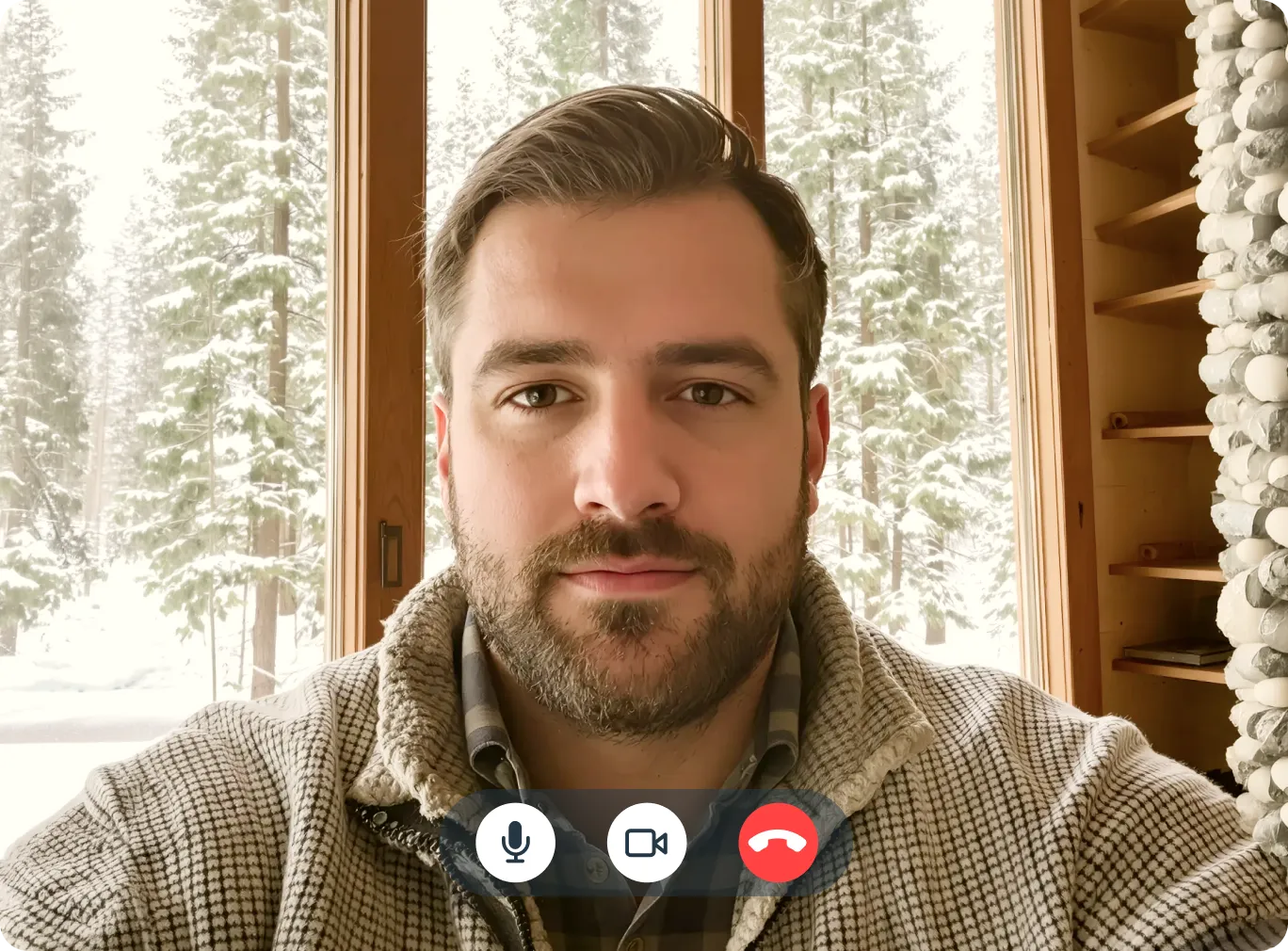
How online doctor visits work
Book an online doctor visit in minutes. No insurance required.
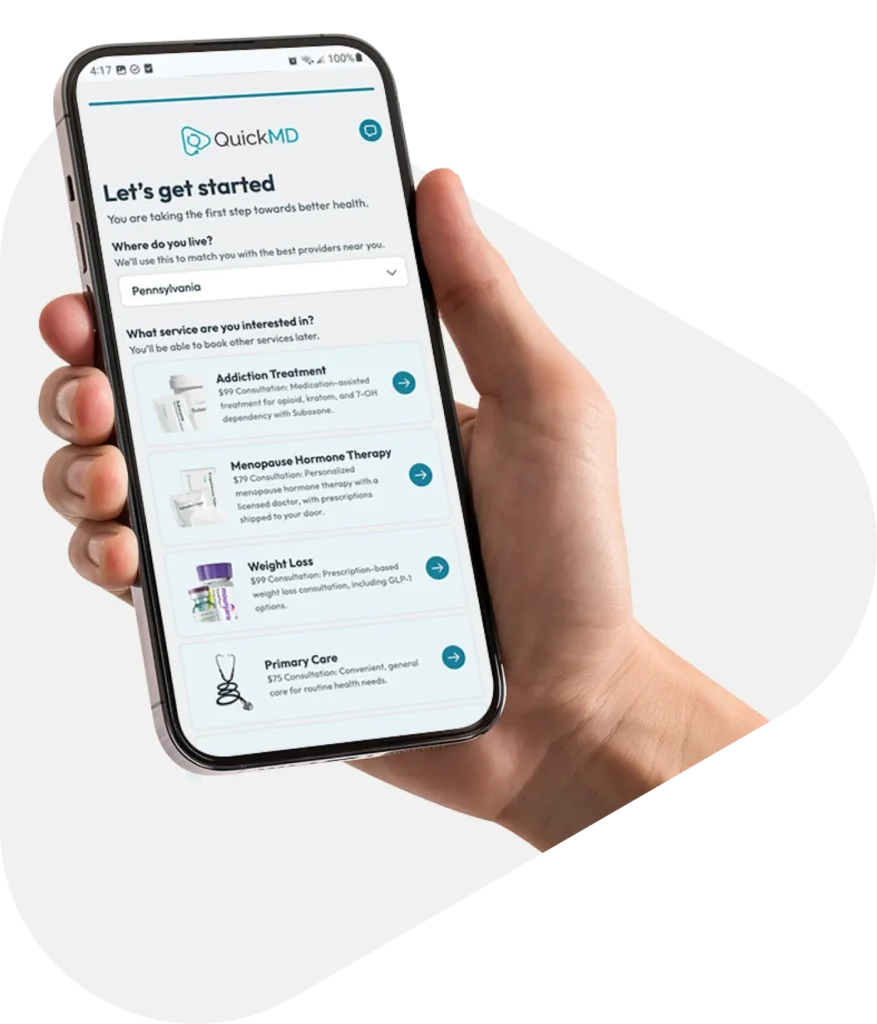
Answer a few questions
Tell us what you need. We'll match you with licensed doctors who treat your condition in your state.
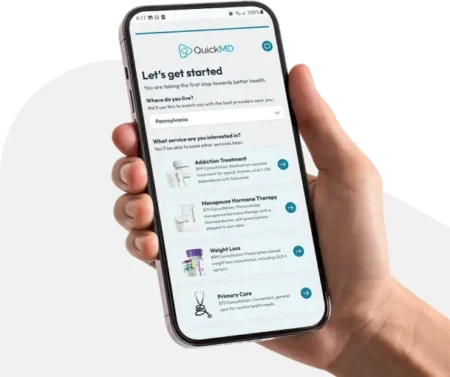
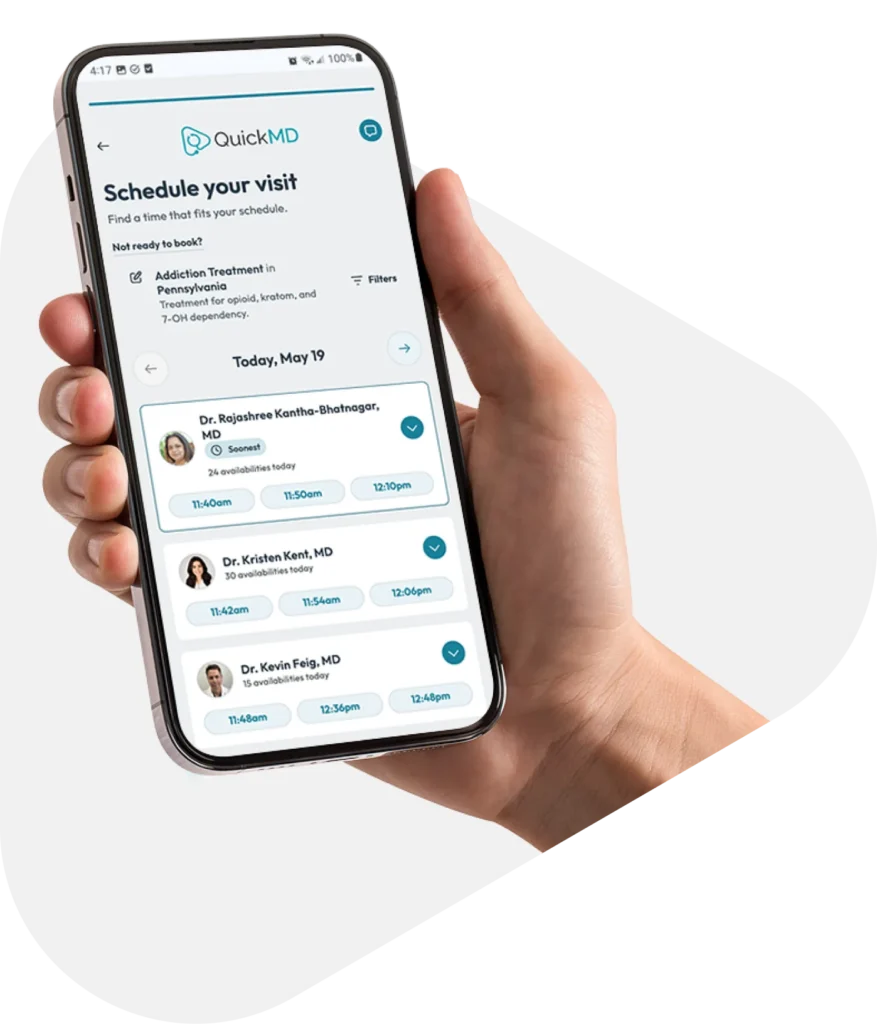
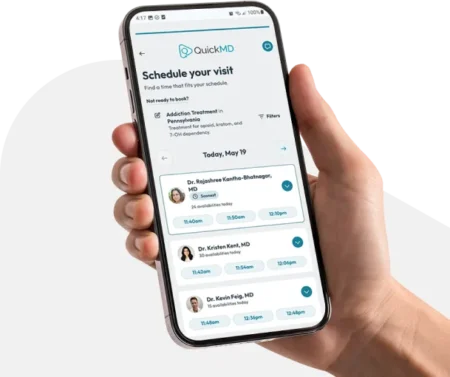
Choose your doctor
Pick your doctor, create your account, and book a time that works for you. Same-day visits are often available.
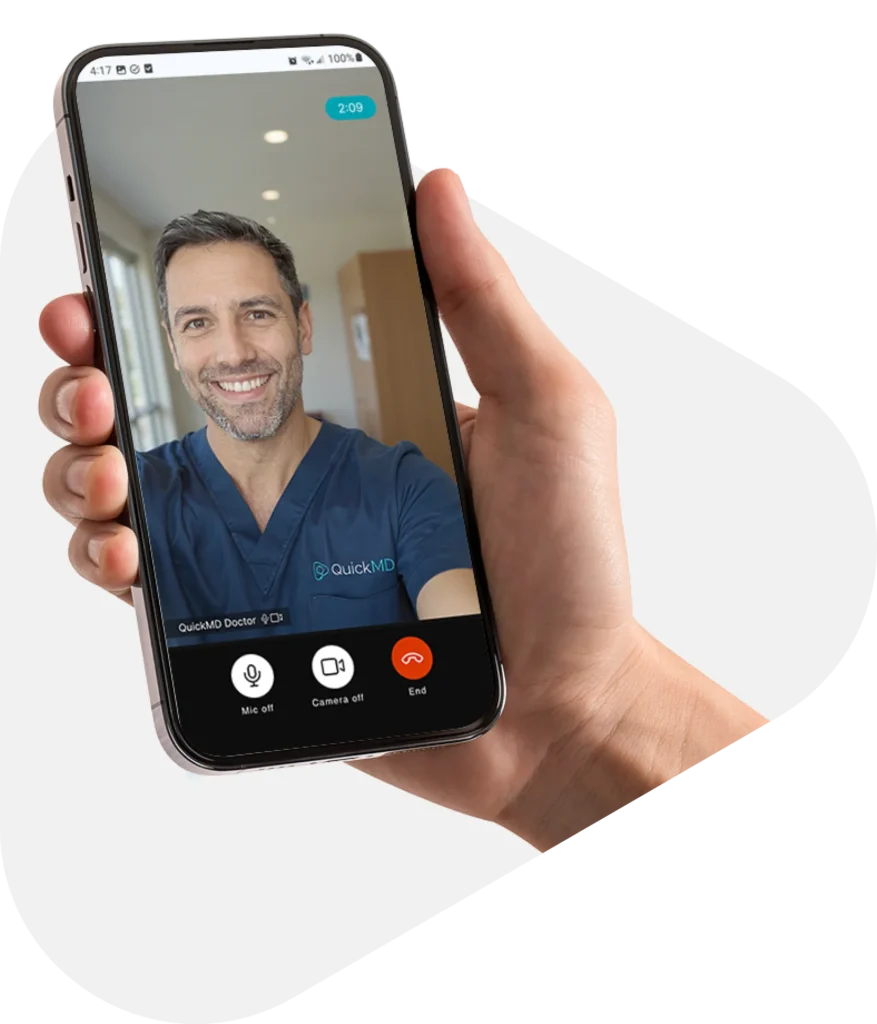
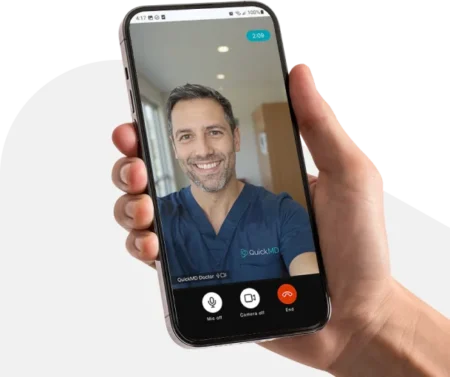
Meet by phone or video
Talk with a doctor by private phone or video and get your prescription the same day if appropriate.
Manage opioid cravings and withdrawal with Suboxone® treatment
Private and judgment-free video visits now available.
What our patients are saying

Appointments
7 days/week

Same-day
prescriptions

100% online
and secure
Stop opioid cravings and withdrawal
Same-day visits. No insurance required.
Start treatment with Suboxone today
At QuickMD, getting your Suboxone prescription is simple. Schedule a quick phone or video appointment with a licensed clinician and we’ll send your prescription directly to your pharmacy.
Meet our licensed clinicians in Michigan
We make it easy to find licensed clinicians in Michigan. Meet trusted experts, available seven days a week for virtual care.
-
Dr. Abdullah Almehbash
Licensed clinician
MichiganNow accepting new patients -

Dr. Adnan Khan
Licensed clinician
MichiganNow accepting new patients -

Dr. Angela Schultz
Licensed clinician
MichiganNow accepting new patients -

Dr. Anna Arroyo Santiago
Licensed clinician
MichiganNow accepting new patients -
Dr. Cheryl Dionne
Licensed clinician
MichiganNow accepting new patients -

Dr. Eslam Mohamed
Licensed clinician
MichiganNow accepting new patients -
Dr. Jamie Rhodes
Licensed clinician
MichiganNow accepting new patients -

Dr. Janet Whitney
Licensed clinician
MichiganNow accepting new patients -

Dr. Jerome Homish
Licensed clinician
MichiganNow accepting new patients -

Dr. Jonna Schmidt
Licensed clinician
MichiganNow accepting new patients -

Dr. Joshua Tessier
Licensed clinician
MichiganNow accepting new patients -

Dr. Katie Lee
Licensed clinician
MichiganNow accepting new patients -
Dr. Lindsay Lopata
Licensed clinician
MichiganNow accepting new patients -

Dr. Mazna Ahmad
Licensed clinician
MichiganNow accepting new patients -
Dr. Michael Mattingly
Licensed clinician
MichiganNow accepting new patients -

Dr. Michael Schiesser
Licensed clinician
MichiganNow accepting new patients -

Dr. Muhammad Imran
Licensed clinician
MichiganNow accepting new patients -

Dr. Myriam Kane
Licensed clinician
MichiganNow accepting new patients -

Dr. Nick Raubitschek
Licensed clinician
MichiganNow accepting new patients -

Dr. Scott Akin
Licensed clinician
MichiganNow accepting new patients -

Dr. Sean Bandzar
Licensed clinician
MichiganNow accepting new patients -

Dr. Sumera Amin
Licensed clinician
MichiganNow accepting new patients -
Dr. Uroje Mirza
Licensed clinician
MichiganNow accepting new patients
Why virtual addiction treatment matters in Michigan
Addiction touches every part of life, from health and relationships to work and stability. In Michigan, there’s a growing public health crisis. According to the CDC’s National Center for Health Statistics, the state recorded close to 3,000 drug overdose deaths in 2022, with nearly 80% involving opioids. These numbers represent more than data. They represent lives lost, families grieving, and communities searching for solutions.
But even when someone is ready for help, getting it isn’t always as simple as asking or finding a clinic. In many areas of Michigan, especially rural counties and the Upper Peninsula, treatment options can be hours away. Long waitlists, limited transportation, and stigma all make it a little bit harder to begin recovery.
That’s where virtual care changes things. When someone can talk to a provider from the privacy of home without worrying about being seen, missing work, or navigating complicated systems, it can open the door to treatment in a way that feels safe and doable.
QuickMD’s online MAT program is designed with that in mind. Real support, on your terms, wherever you are in Michigan.
How access to addiction treatment is improving in Michigan
Michigan has taken important steps to expand addiction treatment and reduce the barriers that too often stand in the way of recovery.
One major step is the expansion of the state’s Health Home program. Originally developed for people with opioid use disorder, it now includes individuals with alcohol use disorder and stimulant use disorders. This model focuses on what is called whole-person care, which integrates medical, behavioral, and social services so that recovery isn’t treated in isolation, but as part of someone’s broader health and well-being.
The state has also made it easier to find treatment. MI Bridges, Michigan’s one-stop portal for health and social services, now includes a substance use disorder treatment locator. It helps people search for care by ZIP code, service type, and whether a provider accepts Medicaid, making it simpler to find treatment that’s nearby and affordable.
Additionally, in June 2024, Governor Gretchen Whitmer signed a series of bipartisan bills, House Bills 4131, 4213, 4579, and 4580, into law, now known as Public Acts 51–53. These laws establish payment parity for telemedicine services, ensuring that telemedicine services, including mental health care, are reimbursed at the same rate as in-person services.
These efforts reflect a growing commitment in Michigan to meet people where they are and offer support that’s both compassionate and practical.
How QuickMD brings MAT to Michigan
We offer Medication-Assisted Treatment in Michigan online, so you can get help for opioid addiction without the barriers that often come with in-person care. No need to find a ride, wait weeks for an opening, or travel far distances.
With QuickMD, you can meet with a licensed provider from anywhere in the state, seven days a week. Every visit is private, judgment-free, and focused on what matters most: helping you feel better and stay on the path to recovery.
By making MAT available virtually, we’re helping Michigan residents get care that’s built around their lives.
Tips for managing addiction treatment
1. Remind yourself why you started
When motivation dips, go back to your “why.” Maybe it’s your family, your health, your future, or your peace of mind. Write it down. Keep it close. Your reason for choosing recovery can be a strong anchor on hard days.
2. Practice self-compassion
Recognize that recovery is a process with ups and downs. Celebrate your progress, and don’t be too hard on yourself during times that feel troubling.
3. Be honest with your provider
If something’s not working, whether it’s side effects, cravings, or emotional struggles, say so. Your provider is there to help, not judge. The more open you are, the more they can tailor treatment to your needs.
4. Stay engaged, even when it’s hard
There may be days when you feel like giving up or skipping a check-in. That’s normal, and it doesn’t mean you’re failing. On those days, showing up anyway (even just a little) is a win. Progress isn’t always about big breakthroughs. Sometimes it’s just about not giving up.
We also offer these services in Michigan
At QuickMD, we're committed to bringing convenient, affordable, and compassionate virtual care to patients across Michigan. In addition to addiction treatment, we proudly offer:

Medical weight loss
Our online weight loss treatment helps you explore options like Ozempic® and Mounjaro® with licensed clinicians, offering support tailored to your health goals.

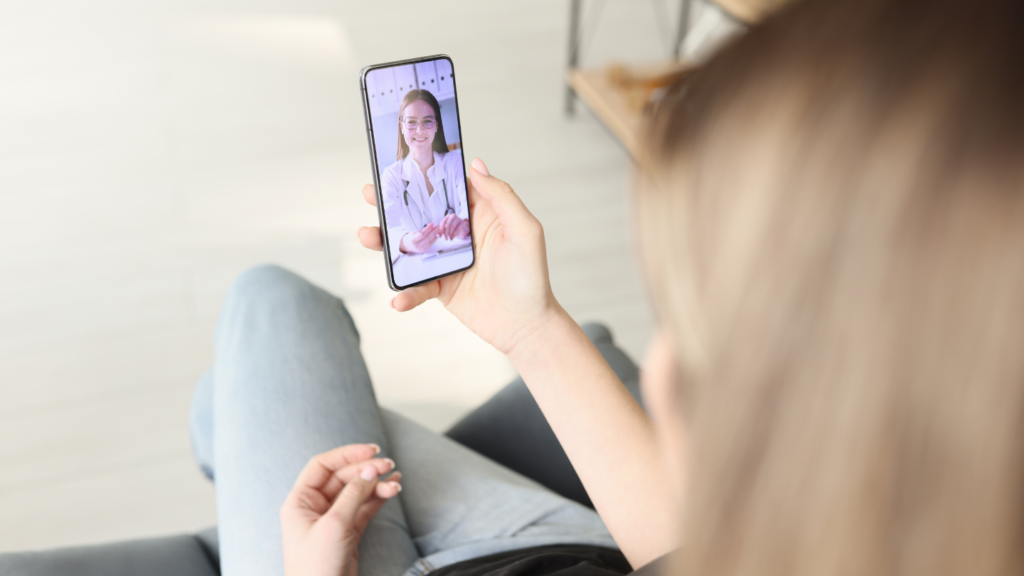
Start treatment with Suboxone today
At QuickMD, getting your Suboxone prescription is simple. Schedule a quick phone or video appointment with a licensed clinician and we’ll send your prescription directly to your pharmacy.
Frequently asked questions about MAT in
Michigan
Medication-Assisted Treatment (MAT) is an effective treatment that combines FDA-approved medications like buprenorphine (Suboxone®), methadone, or naltrexone with counseling and behavioral therapies to treat opioid use disorder or other substance use disorders. MAT is proven to lower the risk of opioid overdose by over 50%, as reported by the National Association of Counties.
In Michigan, MAT is available through both in-person clinics and telehealth platforms like QuickMD, making it more accessible than ever.
The Michigan Drug Assistance Program, or MIDAP, helps eligible residents afford medications and insurance plans related to HIV care. For individuals who are in recovery and also living with HIV or managing related conditions, MIDAP can provide financial support that makes it easier to stay consistent with treatment and maintain overall health.
The “650 Lifer Law” was enacted in 1978 and required life imprisonment without parole for individuals convicted of possessing or distributing more than 650 grams of certain controlled substances. Over time, this law has been reformed to reflect a more rehabilitative approach. Today, those sentenced under the original law may be eligible for parole, and Michigan continues to shift away from purely punitive policies toward treatment and recovery-focused models of justice.