Online addiction treatment in Nebraska
QuickMD offers private, judgment-free addiction treatment online in Nebraska for substance use disorders, including treatment with Suboxone®.
- Get support as soon as today
- Same-day prescriptions
- Over 2 million visits completed
Medications require a consultation with a licensed clinician via QuickMD. If eligible, the clinician will recommend the best option for you. Satisfaction rating from patient experience survey results collected May 2025.
How online doctor visits work
Book an online doctor visit in minutes. No insurance required.
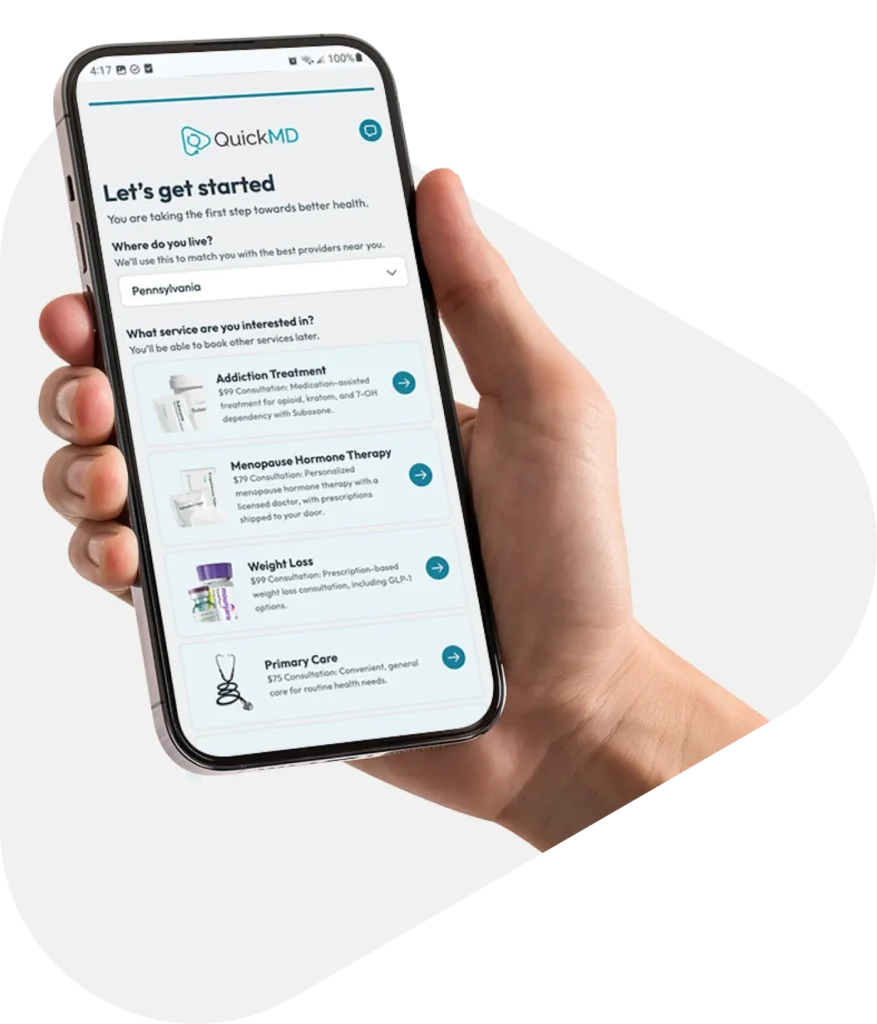
Answer a few questions
Tell us what you need. We'll match you with licensed doctors who treat your condition in your state.
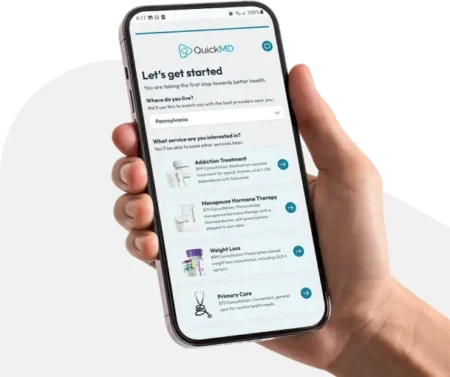
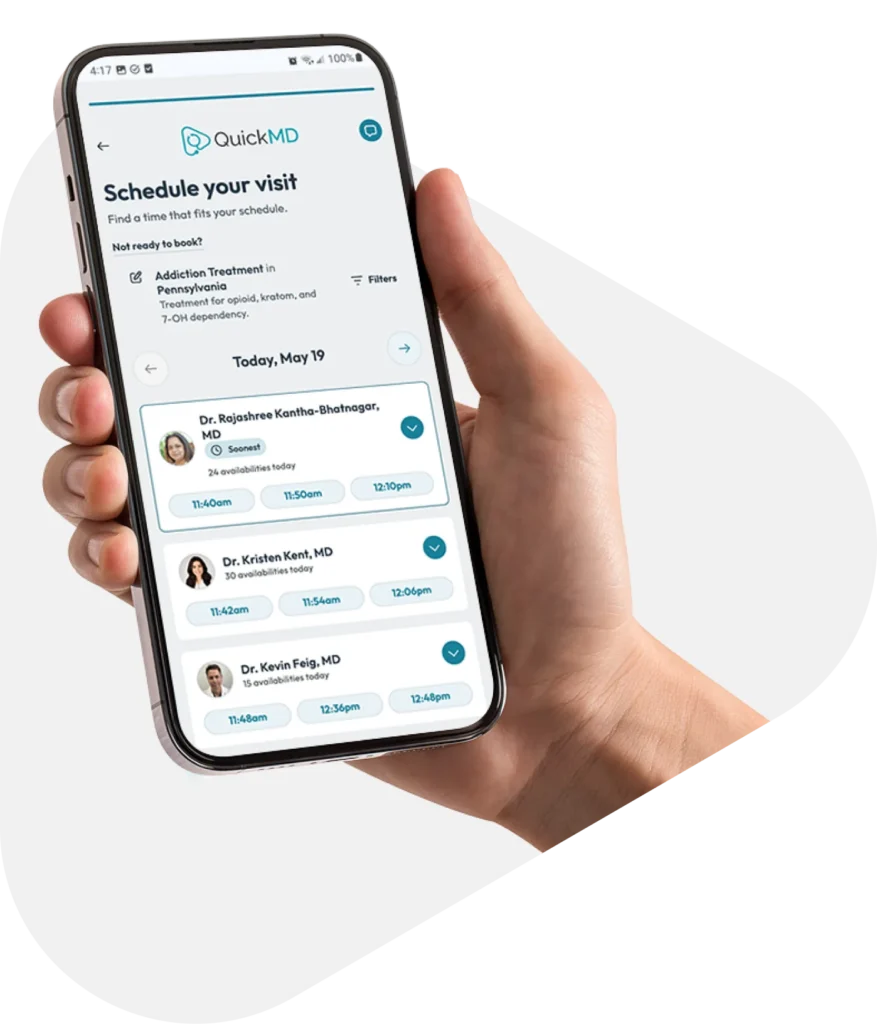
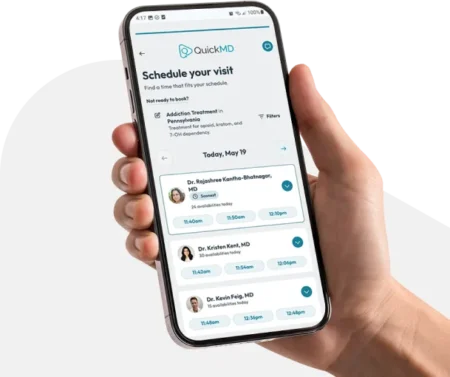
Choose your doctor
Pick your doctor, create your account, and book a time that works for you. Same-day visits are often available.
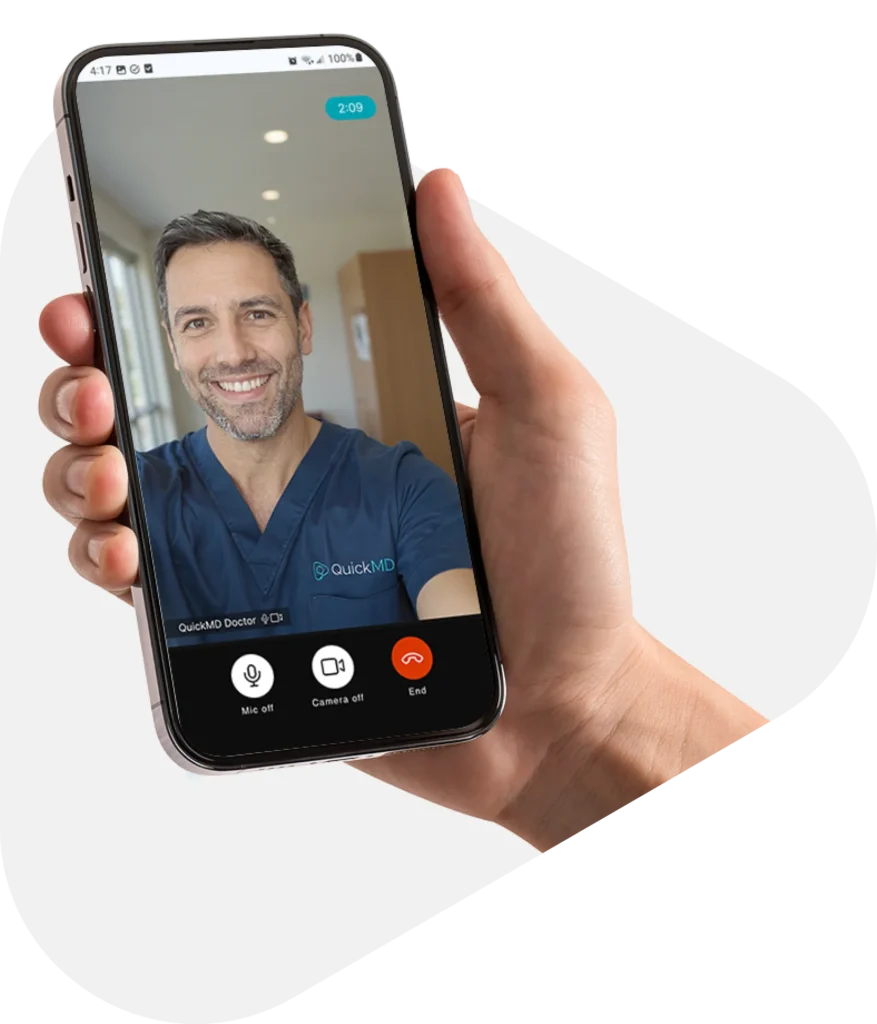
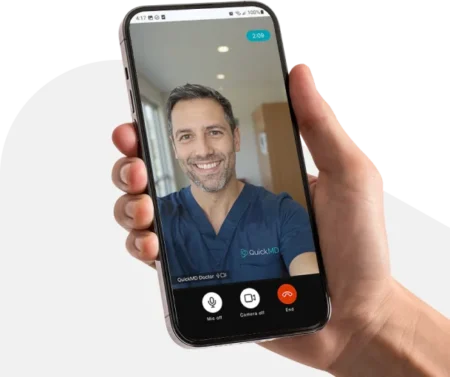
Meet by phone or video
Talk with a doctor by private phone or video and get your prescription the same day if appropriate.
Manage opioid cravings and withdrawal with Suboxone® treatment
Private and judgment-free video visits now available.

What our patients are saying

Appointments
7 days/week

Same-day
prescriptions

100% online
and secure
Stop opioid cravings and withdrawal
Same-day visits. No insurance required.
Start treatment with Suboxone today
At QuickMD, getting your Suboxone prescription is simple. Schedule a quick phone or video appointment with a licensed clinician and we’ll send your prescription directly to your pharmacy.
Meet our licensed clinicians in Nebraska
We make it easy to find licensed clinicians in Nebraska. Meet trusted experts, available seven days a week for virtual care.
-

Dr. Adnan Khan
Licensed clinician
NebraskaNow accepting new patients -
Dr. Andrew Medenbach
Licensed clinician
NebraskaNow accepting new patients -

Dr. Angela Schultz
Licensed clinician
NebraskaNow accepting new patients -

Dr. Azhar Ahmed
Licensed clinician
NebraskaNow accepting new patients -

Dr. Brandi Gary
Licensed clinician
NebraskaNow accepting new patients -

Dr. Christin Barry
Licensed clinician
NebraskaNow accepting new patients -

Dr. Daniel Funsch Jr
Licensed clinician
NebraskaNow accepting new patients -

Dr. Eslam Mohamed
Licensed clinician
NebraskaNow accepting new patients -

Dr. Joshua Tessier
Licensed clinician
NebraskaNow accepting new patients -

Dr. Mazna Ahmad
Licensed clinician
NebraskaNow accepting new patients -

Dr. Megan Feighny
Licensed clinician
NebraskaNow accepting new patients -
Dr. Michael Carr
Licensed clinician
NebraskaNow accepting new patients -
Dr. Michael Torres
Licensed clinician
NebraskaNow accepting new patients -

Dr. Muhammad Imran
Licensed clinician
NebraskaNow accepting new patients -
Dr. Paul Flatley
Licensed clinician
NebraskaNow accepting new patients -

Dr. Scott Akin
Licensed clinician
NebraskaNow accepting new patients -

Dr. Sean Bandzar
Licensed clinician
NebraskaNow accepting new patients -

Dr. Sumera Amin
Licensed clinician
NebraskaNow accepting new patients
Why virtual addiction treatment matters in Nebraska
Like many states across the country, Nebraska continues to battle the effects of the opioid crisis. According to data from the CDC, the number of opioid-involved overdose deaths in Nebraska rose from 161 in 2019 to 225 in 2022, marking a roughly 40% increase over the three-year period. And while Nebraska’s overdose rate remains lower than the national average, access to treatment remains uneven, especially in rural parts of the state.
One of the biggest challenges isn’t deciding to get help, it’s finding it. Over 60% of Nebraska’s counties are considered rural, and more than half are designated as Health Professional Shortage Areas (HPSAs) according to the National Rural Health Association. That means in some of these communities, it’s difficult to find primary care physicians, and even more difficult to find mental health care, not to mention the difficulties in finding providers who offer Medication-Assisted Treatment (MAT).
These gaps mean that too many people go without the support they need. But virtual treatment is helping change that.
Virtual addiction treatment makes it possible for people across Nebraska, whether you’re in Lincoln or a small town like Valentine, to connect with licensed providers from home. No travel. No waiting rooms. Just access to care when and where it matters most.
How access to addiction treatment is improving in Nebraska
In recent years, Nebraska has taken meaningful steps to expand access to addiction care, including Medication-Assisted Treatment. In 2023, the federal government enacted the Medication Access and Training Expansion (MATE) Act, eliminating the requirement for healthcare providers to obtain a special waiver to prescribe medications like buprenorphine for opioid use disorder (OUD). This change allows any practitioner with a standard DEA registration to prescribe these medications, provided they comply with state laws.
Nebraska has also taken significant steps to enhance telehealth services. The Nebraska Telehealth Act permits healthcare providers to establish patient relationships and prescribe medications through telehealth platforms, including audio-only services when appropriate.
Within the state, local leaders and public health agencies continue to promote harm reduction and treatment-based strategies. Programs focused on prevention, peer support, and medication access are helping more Nebraskans get the care they deserve.
Virtual MAT is one of the most promising solutions. It helps close the gap for people who might otherwise delay or avoid treatment because of distance, cost, or fear of stigma.
How our virtual MAT program supports you
Our virtual Medication-Assisted Treatment program uses FDA-approved medications, like Suboxone® (a combination of buprenorphine and naloxone), to ease withdrawal symptoms, reduce cravings, and protect against overdose.
These medications work with the same brain receptors that opioids affect, but in a safer, more controlled way:
- Partial opioid agonists (like buprenorphine) activate opioid receptors gently to reduce cravings without producing a full high.
- Opioid antagonists (like naloxone) block those receptors entirely, helping prevent misuse.
Combined with regular check-ins and ongoing support from our licensed providers, this approach helps you stay on track safely, privately, and on your terms.
Tips for managing addiction treatment
1. Set micro-goals
Forget big resolutions. Instead, focus on small, doable goals, like attending one support group, drinking more water today, or going for a short walk. Achieving micro-goals builds momentum and reminds you that progress happens in inches, not miles.
2. Give yourself grace on the hard days
Some days will feel harder than others. When they do, try to speak to yourself the way you’d talk to someone you care about: with patience, not punishment.
3. Borrow motivation from your future self
When cravings or doubt hit, picture the version of you who’s one month, six months, or one year into recovery. What would they say to you right now? This small shift, thinking forward instead of feeling stuck, can help you make decisions from a place of hope and content, not just habit.
We also offer these services in Nebraska
At QuickMD, we're committed to bringing convenient, affordable, and compassionate virtual care to patients across Nebraska. In addition to addiction treatment, we proudly offer:

Medical weight loss
Our online weight loss treatment helps you explore options like Ozempic® and Mounjaro® with licensed clinicians, offering support tailored to your health goals.

Start treatment with Suboxone today
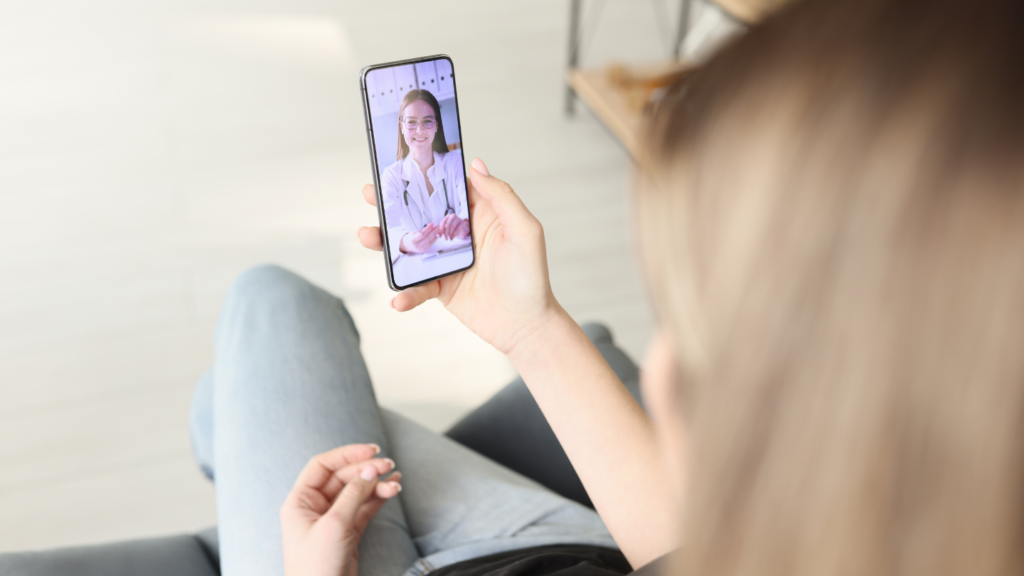
At QuickMD, getting your Suboxone prescription is simple. Schedule a quick phone or video appointment with a licensed clinician and we’ll send your prescription directly to your pharmacy.
Frequently asked questions about MAT in
Nebraska
Yes. Nebraska Medicaid helps cover many behavioral health services, including rehab and Medication-Assisted Treatment in Nebraska. This can include residential treatment, therapy, and medications like Suboxone® when prescribed. Coverage varies by plan, so if you’re unsure what’s included, your provider can help you evaluate your benefits and choose the right care for your needs.
Nebraska has laws in place to reduce opioid dependence and support safe treatment. Providers are required to check the state’s prescription drug monitoring program (PDMP) before prescribing certain medications. There are also limits on some opioid prescriptions to help protect individuals while still allowing access to essential treatments like MAT. These efforts aim to maintain patient safety while supporting recovery across every region of the state.
Nebraska’s “Good Samaritan” law is designed with safety and recovery in mind. If someone is overdosing, anyone present can call 911 without fear of being prosecuted for drug possession. This law exists to save lives, offering a sense of security in emergencies so people feel safe getting help when every second counts.