Online addiction treatment in Pennsylvania
QuickMD offers private, judgment-free addiction treatment online in Pennsylvania for substance use disorders, including treatment with Suboxone®.
- Get support as soon as today
- Same-day prescriptions
- Over 2 million visits completed
Medications require a consultation with a licensed clinician via QuickMD. If eligible, the clinician will recommend the best option for you. Satisfaction rating from patient experience survey results collected May 2025.
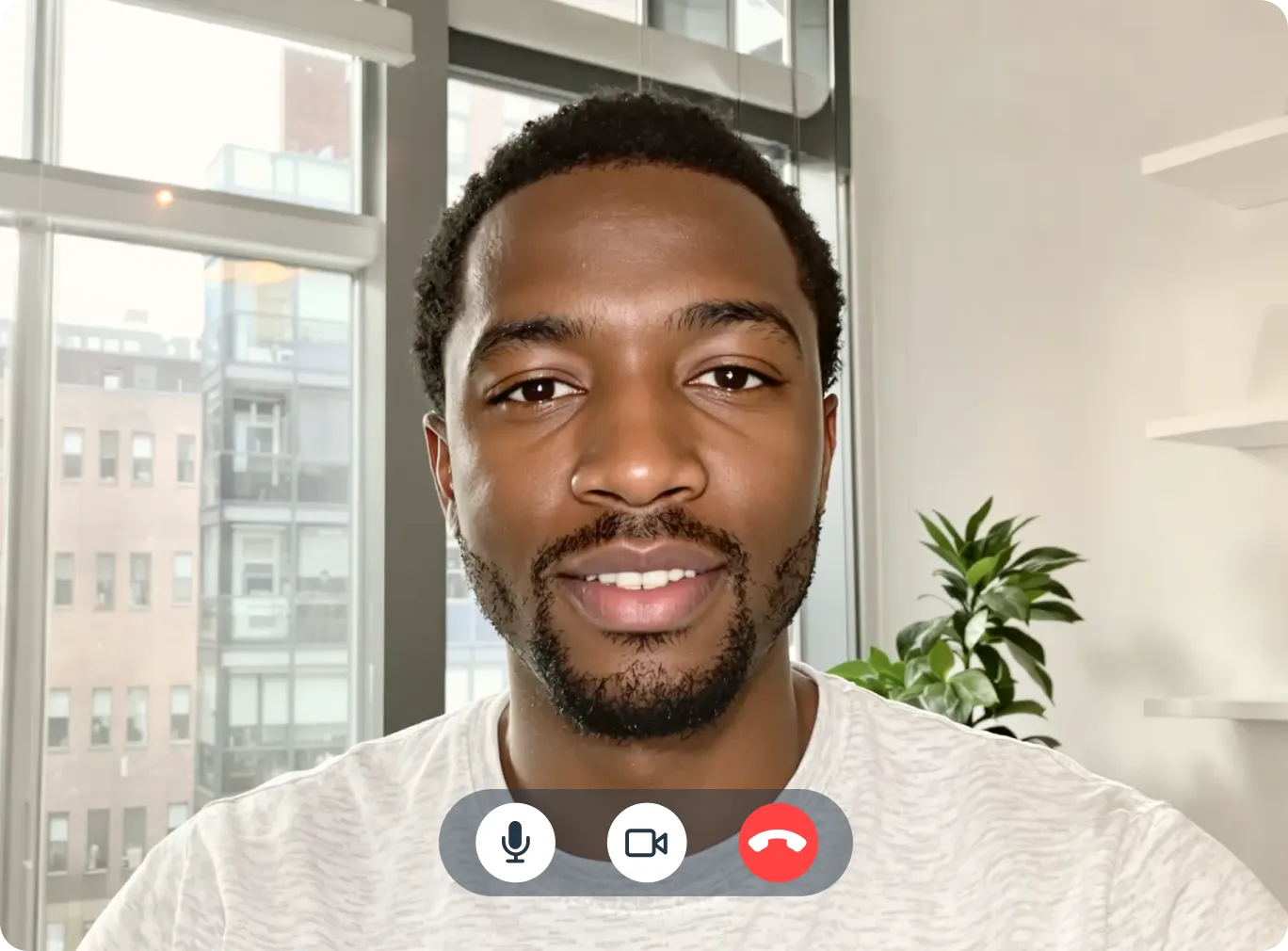
How online doctor visits work
Book an online doctor visit in minutes. No insurance required.
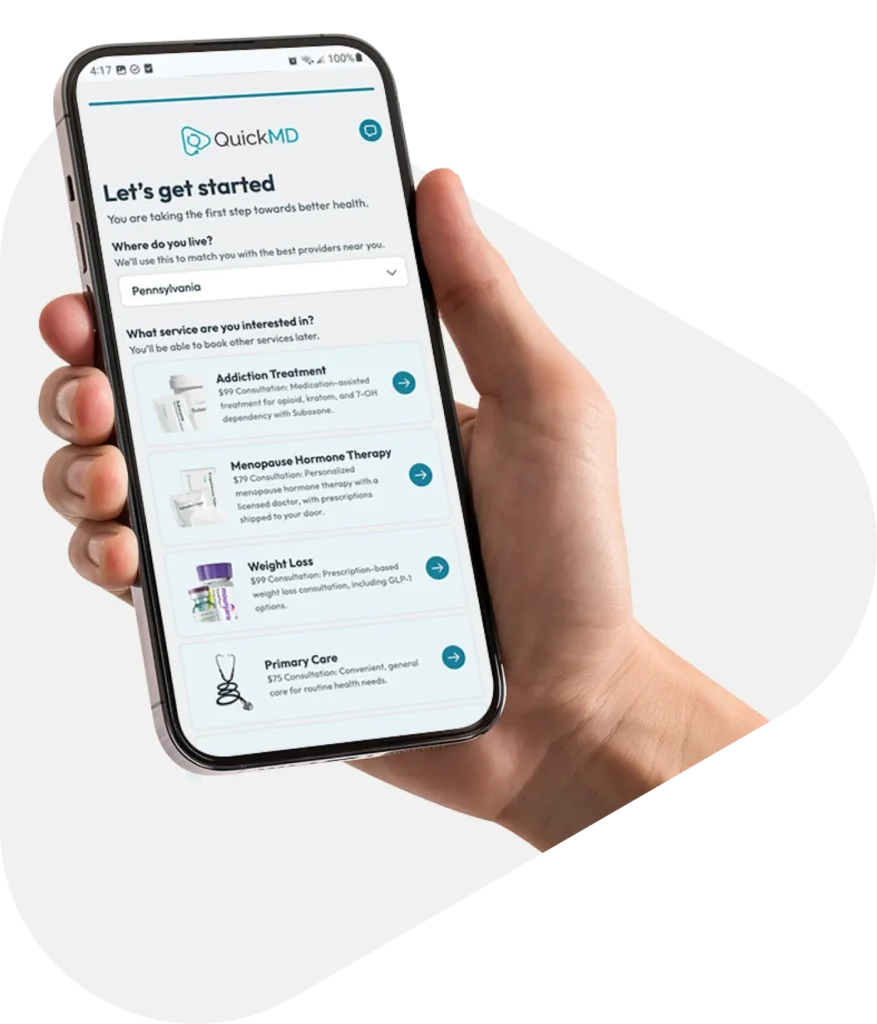
Answer a few questions
Tell us what you need. We'll match you with licensed doctors who treat your condition in your state.
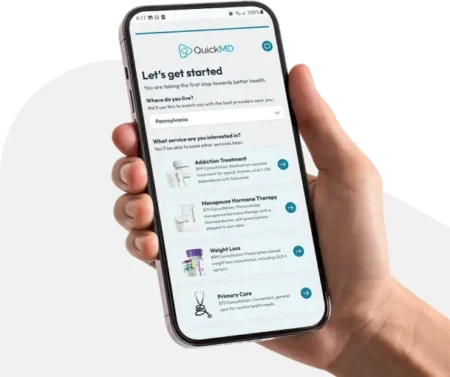
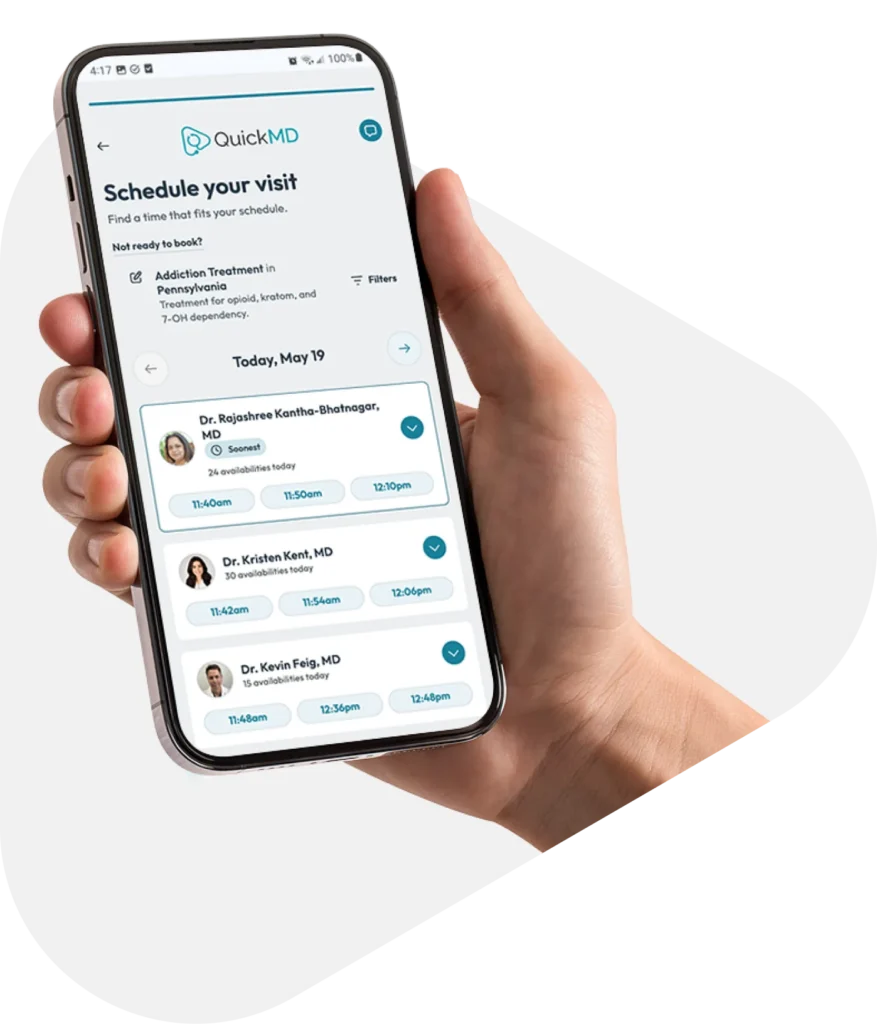
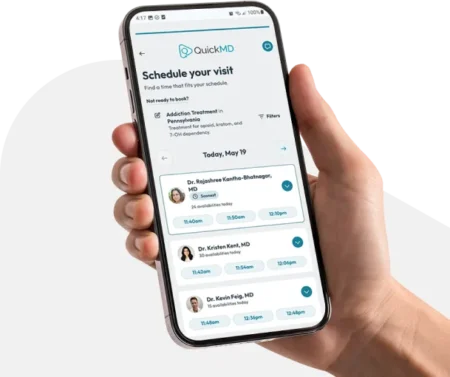
Choose your doctor
Pick your doctor, create your account, and book a time that works for you. Same-day visits are often available.
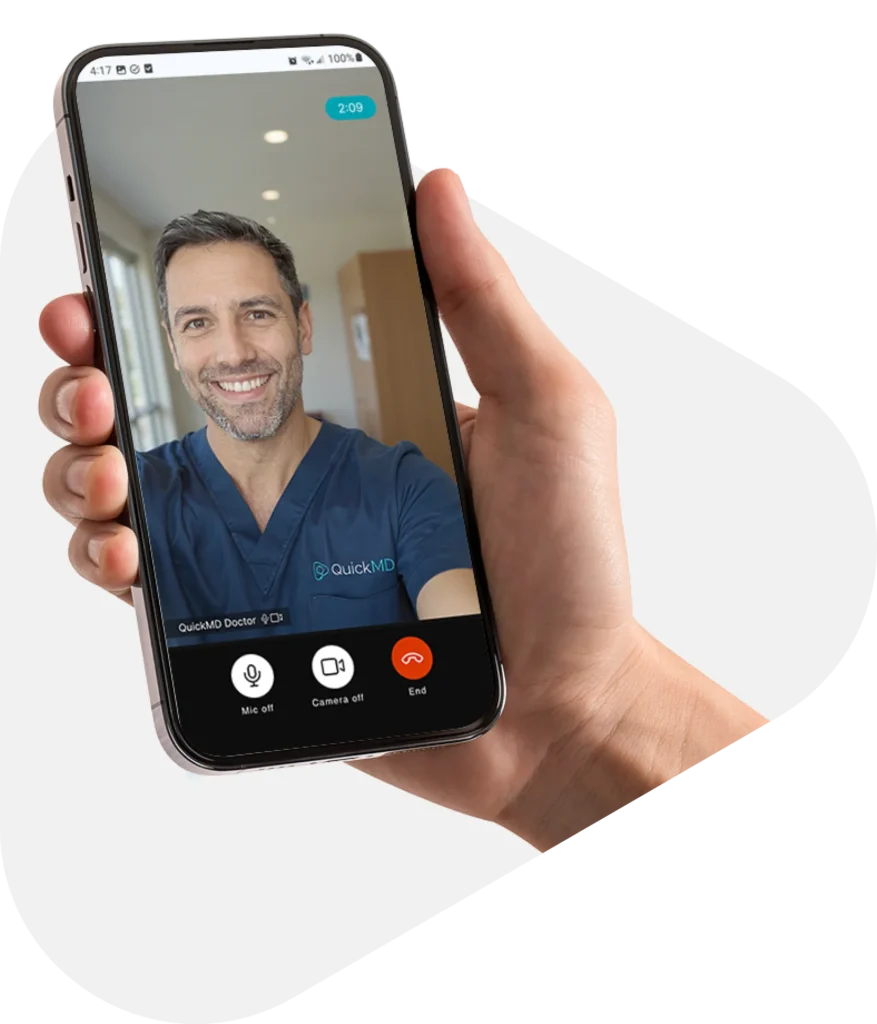
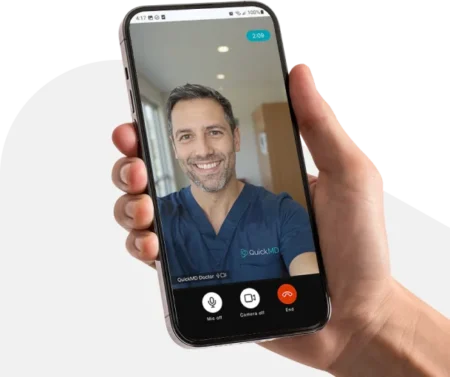
Meet by phone or video
Talk with a doctor by private phone or video and get your prescription the same day if appropriate.
Manage opioid cravings and withdrawal with Suboxone® treatment
Private and judgment-free video visits now available.
What our patients are saying

Appointments
7 days/week

Same-day
prescriptions

100% online
and secure
Stop opioid cravings and withdrawal
Same-day visits. No insurance required.
Start treatment with Suboxone today
At QuickMD, getting your Suboxone prescription is simple. Schedule a quick phone or video appointment with a licensed clinician and we’ll send your prescription directly to your pharmacy.
Meet our licensed clinicians in Pennsylvania
We make it easy to find licensed clinicians in Pennsylvania. Meet trusted experts, available seven days a week for virtual care.
-
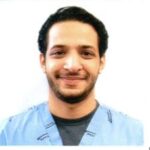
Dr. Abdullah Almehbash
Licensed clinician
PennsylvaniaNow accepting new patients -

Dr. Angela Schultz
Licensed clinician
PennsylvaniaNow accepting new patients -
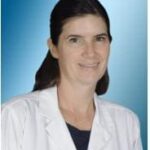
Dr. Brandi Gary
Licensed clinician
PennsylvaniaNow accepting new patients -
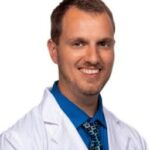
Dr. Caleb Lougheed
Licensed clinician
PennsylvaniaNow accepting new patients -
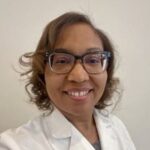
Dr. Candra Wooten
Licensed clinician
PennsylvaniaNow accepting new patients -
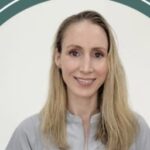
Dr. Christin Barry
Licensed clinician
PennsylvaniaNow accepting new patients -
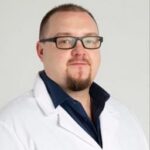
Dr. Christopher Kemen
Licensed clinician
PennsylvaniaNow accepting new patients -
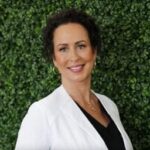
Dr. Colleen Buono
Licensed clinician
PennsylvaniaNow accepting new patients -

Dr. Daniel Funsch Jr
Licensed clinician
PennsylvaniaNow accepting new patients -
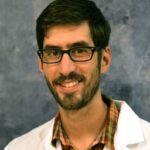
Dr. Daniel Peters
Licensed clinician
PennsylvaniaNow accepting new patients -
Dr. Dylan Deatrich
Licensed clinician
PennsylvaniaNow accepting new patients -
Dr. Emily Brown
Licensed clinician
PennsylvaniaNow accepting new patients -

Dr. Eslam Mohamed
Licensed clinician
PennsylvaniaNow accepting new patients -

Dr. Hussein Al Sudani
Licensed clinician
PennsylvaniaNow accepting new patients -
Dr. James Guenther
Licensed clinician
PennsylvaniaNow accepting new patients -
Dr. Javier Jimenez
Licensed clinician
PennsylvaniaNow accepting new patients -
Dr. John Hafycz
Licensed clinician
PennsylvaniaNow accepting new patients -
Dr. Katie Lee
Licensed clinician
PennsylvaniaNow accepting new patients -
Dr. Kyle Meggison
Licensed clinician
PennsylvaniaNow accepting new patients -
Dr. Maya Green
Licensed clinician
PennsylvaniaNow accepting new patients -
Dr. Minh Thu Duong
Licensed clinician
PennsylvaniaNow accepting new patients -

Dr. Muhammad Imran
Licensed clinician
PennsylvaniaNow accepting new patients -

Dr. Myriam Kane
Licensed clinician
PennsylvaniaNow accepting new patients -

Dr. Noor Amin
Licensed clinician
PennsylvaniaNow accepting new patients -
Dr. Paul Flatley
Licensed clinician
PennsylvaniaNow accepting new patients -
Dr. Puneet Lakhmani
Licensed clinician
PennsylvaniaNow accepting new patients -
Dr. Ramy Abukwaik
Licensed clinician
PennsylvaniaNow accepting new patients -
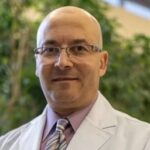
Dr. Reda Shedeed
Licensed clinician
PennsylvaniaNow accepting new patients -
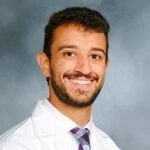
Dr. Sean Bandzar
Licensed clinician
PennsylvaniaNow accepting new patients -

Dr. Stephen Lee
Licensed clinician
PennsylvaniaNow accepting new patients -
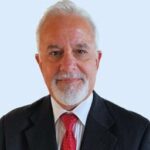
Dr. Steve B. Lowenthal
Licensed clinician
PennsylvaniaNow accepting new patients -

Dr. Sumera Amin
Licensed clinician
PennsylvaniaNow accepting new patients -
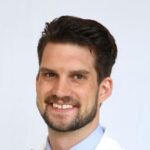
Dr. Todd Kruse
Licensed clinician
PennsylvaniaNow accepting new patients
Why virtual addiction treatment matters in Pennsylvania
In 2023, Pennsylvania lost 4,721 people to drug overdoses, according to the Commonwealth of Pennsylvania. Opioids were involved in 82% of these deaths, with fentanyl found in 76%. Each number represents real lives and communities deeply affected by loss.
Despite extensive public health efforts, Pennsylvania’s overdose rate remains alarmingly high. In 2022, it was 25% above the national average. And while awareness is growing, access to care still lags in many areas, especially outside urban areas like Philadelphia and Pittsburgh.
Out of the state’s 67 counties, 48 are considered rural, and many are designated as Health Professional Shortage Areas (HPSAs). That means fewer providers, longer waits, and harder journeys for people trying to get help. When time matters most, those delays can cost lives.
That’s why virtual addiction treatment matters. With QuickMD, you can start Medication-Assisted Treatment in Pennsylvania from home. There’s no waiting rooms, no travel, no added barriers. Whether you’re in Erie or Easton, care comes to you. All you need is access to a phone or computer so care can meet you exactly where you are.
How access to addiction treatment is improving in Pennsylvania
Pennsylvania is working to make life-saving treatment more accessible. One key initiative is the Pennsylvania Coordinated Medication-Assisted Treatment (PAC-MAT) program. PAC-MAT connects primary care providers with addiction specialists through a hub-and-spoke model, making it easier for more residents to receive care.
Legislation has helped, too. In 2018, the state and seven major insurers eliminated prior authorization requirements for MAT, as reported by the American Academy of Family Physicians. This change removed a major hurdle, allowing providers to start treatment right away, without red tape.
More recently, the Pennsylvania General Assembly passed House Bill 220, which expands the ability of pharmacists to dispense naloxone and other opioid reversal drugs without individual prescriptions. This empowers more people to intervene in overdose situations and save lives.
Meanwhile, the state continues to invest in community-based care and recovery infrastructure through grants and partnerships, such as the Opioid Misuse Prevention Program (OMPP) and ongoing federal support via the State Opioid Response (SOR) grant.
At QuickMD, we’re proud to be part of this progress. Our virtual MAT program helps people in Pennsylvania who might otherwise go untreated, offering support that’s compassionate, timely, and judgment-free, all from the comfort of home.
How our virtual MAT program supports Pennsylvania residents
Our MAT program uses FDA-approved medications that work with your body’s own chemistry to reduce cravings and painful withdrawal symptoms, while helping protect against relapse.
Medications often used in MAT include buprenorphine, a partial opioid agonist, which gently activates the same receptors in the brain affected by opioids, and naloxone, an opioid antagonist, which blocks those receptors to protect against overdose.
When combined with compassionate, judgment-free support from our licensed providers, MAT can give you a safer, steadier path toward recovery. You meet with your provider from home, on your time, and can have prescriptions sent directly to your local pharmacy.
We’re here to walk this with you, at your pace, in your corner.
Tips for managing addiction treatment
1. Know your rights
Pennsylvania law allows individuals to obtain naloxone, a medication that reverses opioid overdoses, without a personal prescription. This means you can access it directly from participating pharmacies. Having naloxone on hand can help you be prepared if you or someone you know overdoses.
2. Seek local support
Each county in Pennsylvania has a Single County Authority (SCA) that coordinates addiction services. They can help connect you to local resources, treatment programs, and support groups.
The Pennsylvania Department of Drug and Alcohol Programs offers a 24/7 helpline at 1-800-662-HELP (4357) to help individuals and provide support.
3. Celebrate small steps
Recognize each milestone, whether it’s attending a virtual appointment, going a week without cravings, or simply checking in with your QuickMD provider. Every win matters.
We also offer these services in Pennsylvania
At QuickMD, we're committed to bringing convenient, affordable, and compassionate virtual care to patients across Pennsylvania. In addition to addiction treatment, we proudly offer:
Medical weight loss
Our online weight loss treatment helps you explore options like Ozempic® and Mounjaro® with licensed clinicians, offering support tailored to your health goals.

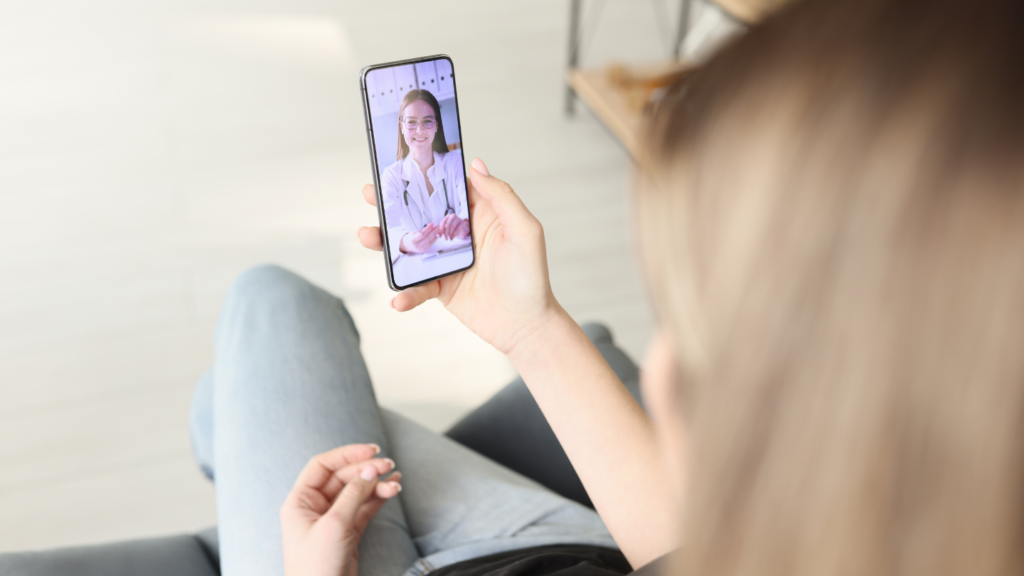
Start treatment with Suboxone today
At QuickMD, getting your Suboxone prescription is simple. Schedule a quick phone or video appointment with a licensed clinician and we’ll send your prescription directly to your pharmacy.
Frequently asked questions about MAT in
Pennsylvania
Yes. Pennsylvania has been significantly affected by the opioid crisis. As previously mentioned, the Commonwealth of Pennsylvania shared that over 4,500 overdose deaths occurred in 2023, 82% of which were opioid-related. That means, on average, a Pennsylvania resident dies from a drug overdose every two hours. This underscores the urgent and widespread impact of opioid use disorder across the state.
The cost of rehabilitation can vary widely based on the type of program and length of stay. Currently, the average cost of residential treatment for one person is approximately $56,708, according to the National Center for Drug Abuse Statistics. It’s best to consult with providers and insurance companies to understand specific costs and coverage options.
The Pennsylvania Department of Corrections (DOC) has implemented a Medication-Assisted Treatment (MAT) program to address substance use disorders among incarcerated individuals. Initiated in 2014, the program provides FDA-approved medications, such as buprenorphine and naltrexone, alongside counseling and behavioral therapies.