Manage menopause and perimenopause with hormone therapy
Get fast relief from hot flashes, brain fog, night sweats, and more with safe, effective menopause hormone therapy.
Trusted menopause care
Evidence-based treatment options
Membership only $79/month
Medications require consultation with a licensed QuickMD provider, who determines treatment eligibility. QuickMD recommends menopause hormone therapy patients get a mammogram at least every two years. Those with a personal or family history of breast cancer should consult their doctor before starting treatment.

A membership made for women
Try it free for a month, then $79/month. Cancel anytime, no commitments.
Membership unlocks quick relief
Get answers anytime, anywhere
Talk to a doctor who understands what your body's going through. Get guidance and answers now.
Access to proven medications
Get safe, effective treatments that actually help you feel better, including testosterone with proper testing when appropriate.
Same-day visits with fast delivery
Book a visit, get treated fast, and have your medication delivered to your door or ready for pickup at your pharmacy.
Meet real doctors
Work with a doctor who listens and gets it. No more feeling dismissed or figuring it out alone.


Common symptoms we can treat
Hot flashes
Hot flashes occur when hormonal changes disrupt your brain’s ability to regulate body temperature, causing sudden waves of heat, flushing, and sweating. These episodes can interrupt your day and disturb your sleep. Menopause hormone therapy (MHT) helps bring your body back into balance, easing the intensity and frequency of hot flashes.
Night sweats
Night sweats happen when hormonal shifts interfere with temperature regulation during sleep, often causing intense heat surges that wake you up drenched. Balancing hormones with Menopause hormone therapy (MHT) can reduce or prevent these episodes, improving your quality of sleep.
Fatigue
Hormonal changes can interfere with restorative sleep and how your body uses energy, leading to persistent tiredness. This constant tiredness is linked to how declining estrogen affects sleep, metabolism, and stress hormones. Menopause hormone therapy (MHT) supports deeper, more consistent sleep and steadier daytime energy, especially when combined with good sleep routines and light activity.
Low energy
Hormone fluctuations during menopause and perimenopause can disrupt your quality of sleep and affect how your body produces energy, leaving you more easily fatigued. As estrogen and progesterone decline, energy production becomes less efficient. By restoring hormone balance, Menopause hormone therapy (MHT) can improve sleep, stamina, and overall energy, especially when paired with healthy habits.
Sleep disruptions
Hormonal fluctuations can lead to restless nights, night sweats, and difficulty falling back asleep. Estrogen and progesterone both influence temperature regulation and sleep quality, so their decline often results in lighter, fragmented sleep. Menopause hormone therapy (MHT) helps reduce these symptoms and helps your body relax into deeper, more restorative sleep.
Mood swings
Hormone fluctuations directly affect neurotransmitters in the brain, often fueling shifts in mood. Lower levels of estrogen make emotional changes more unpredictable, which is why mood swings are common at this stage. Menopause hormone therapy (MHT) helps stabilize mood, giving you greater emotional steadiness and relief from the changes in mood.
Anxiety
Shifting hormone levels influence brain chemistry tied to mood and stress response. Estrogen interacts with neurotransmitters like serotonin and dopamine, which help regulate mood. When levels drop, it can create more sensitivity to stress and amplify feelings of unease. Menopause hormone therapy (MHT) eases anxiety and creates a steadier emotional baseline.
Brain fog
Declining estrogen influences how efficiently the brain supports memory and focus. These changes can make it harder to concentrate, recall information, or feel mentally sharp throughout the day. Menopause hormone therapy (MHT) helps support cognitive function and restore mental clarity.
Weight gain
During menopause and perimenopause, shifts in estrogen and progesterone can change how your body stores fat, often moving it to the midsection. Lower estrogen can also reduce muscle mass, slow metabolism, and make it harder to burn calories efficiently. Menopause hormone therapy (MHT) helps restore estrogen, maintain muscle, and promote a healthier metabolism to make weight management easier.
Skin changes
Lower estrogen reduces collagen and moisture, leading to thinner, drier, and less elastic skin. These changes impact how the skin retains hydration and firmness. Menopause hormone therapy (MHT) helps maintain collagen and moisture levels, improving skin strength and resilience, helping it look and feel more supple.
Intimacy issues
Lower estrogen can cause dryness, discomfort, and changes in desire by affecting tissue health and natural lubrication. Without estrogen, tissues become thinner and more fragile, which can make intimacy uncomfortable. Menopause hormone therapy (MHT) restores hydration and supports tissue health, making intimacy more comfortable.
Joint pain
Drops in estrogen contribute to inflammation, causing stiff or achy joints. This inflammation makes movement feel more difficult and can gradually affect your flexibility and comfort. Menopause hormone therapy (MHT) reduces this discomfort by supporting joint health and lowering inflammation.
Ready to get started? Book a visit.

Reduce hot flashes by up to 75% with hormone therapy
Hormone therapy, with estrogen alone or combined with progesterone, has been shown in clinical trials to reduce hot flashes and night sweats by about 75%. It’s considered the most effective treatment for these symptoms and can improve your quality of life during menopause.*
A 2023 JAMA review found systemic estrogen therapy, alone or with progesterone, cut hot flashes and night sweats by ~75%. The North American Menopause Society confirms hormone therapy is the most effective option, especially for women under 60 or within 10 years of menopause.
Why choose QuickMD for menopause hormone therapy?
Available 7 days a week
Same day appointments
Licensed & certified providers
Affordable, compassionate care
Menopause hormone therapy pricing
Proven medications at an affordable price, delivered right to your door.
Helpful reading about hormone therapy



Frequently asked questions
What qualifies you for hormone therapy?
You may qualify for hormone therapy if you are experiencing moderate to severe menopausal symptoms that disrupt daily life. These symptoms can include hot flashes, night sweats, insomnia, mood changes, vaginal dryness, irregular bleeding, or memory and concentration difficulties.
Eligibility also depends on your overall health and medical history. For example, women without a uterus may be prescribed estrogen-only therapy, while those with a uterus require combined estrogen and progesterone therapy to protect the uterine lining from overgrowth.
When starting hormone therapy, doctors usually recommend a comprehensive evaluation, including blood tests (CBC, CMP, lipid panel, thyroid, Vitamin D, and others) to tailor the safest treatment plan. Ultimately, whether you qualify depends on a discussion with your healthcare provider, balancing your symptoms, risks, and personal health goals.
Is menopause hormone therapy safe?
Yes. Menopause hormone therapy (MHT) is considered safe for most healthy women, especially if started within 10 years of menopause or before age 60. Earlier studies in the early 2000s raised concerns about risks, but more recent evidence shows that the benefits often outweigh risks when therapy is personalized. For low-risk women, MHT can safely:
- Reduce hot flashes, night sweats, and sleep issues.
- Improve mood and cognitive symptoms.
- Prevent bone loss and osteoporosis.
However, MHT is not for everyone. Women with a personal history of breast, ovarian, or endometrial cancer, a strong family history of breast cancer, a history of blood clots, stroke, heart disease, liver disease, or untreated high blood pressure should not take MHT. Long-term use beyond age 60 can be appropriate in some cases, with regular monitoring (mammograms, colon screenings). Safety comes from therapy that is individualized, closely monitored, and reassessed yearly with your provider.
What exactly does hormone therapy do?
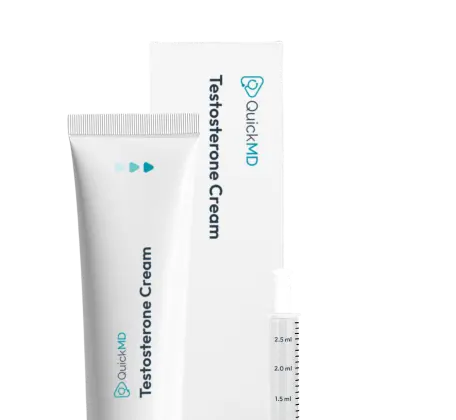
Hormone therapy works by replacing the estrogen (and sometimes progesterone and testosterone) that the body no longer produces after menopause. This helps restore balance and relieve symptoms caused by fluctuating or depleted hormone levels.
Specifically, MHT:- Raises estrogen levels, reducing hot flashes, night sweats, and vaginal dryness.
- Stabilizes mood and sleep, helping with anxiety, insomnia, and brain fog.
- Protects bone density, lowering the risk of osteoporosis and fractures.
- Improves urogenital health, reducing recurrent UTIs and painful intercourse.
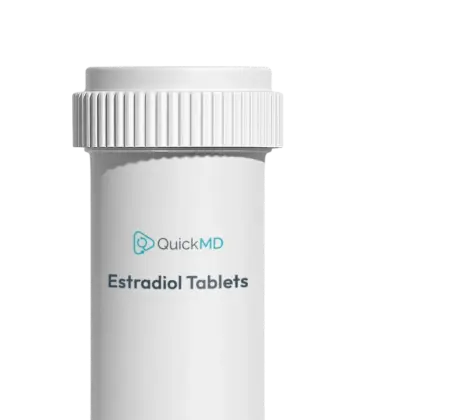
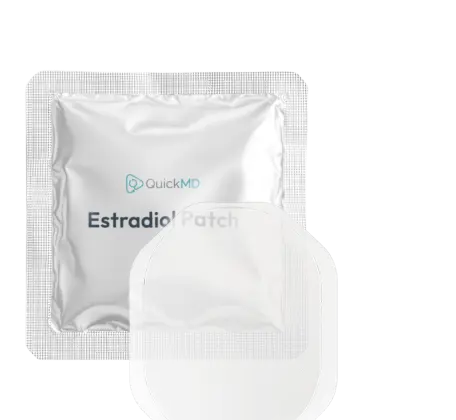
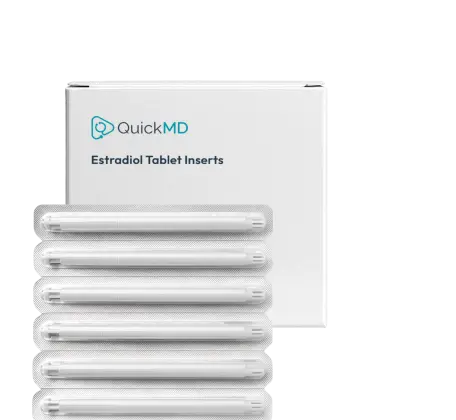
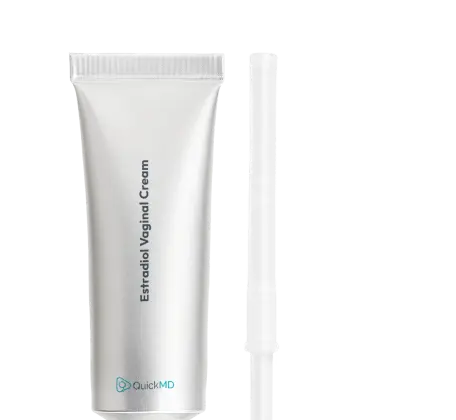
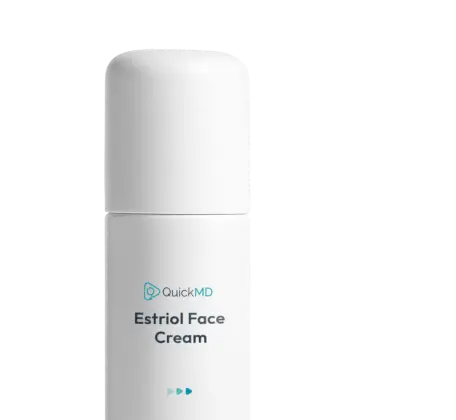
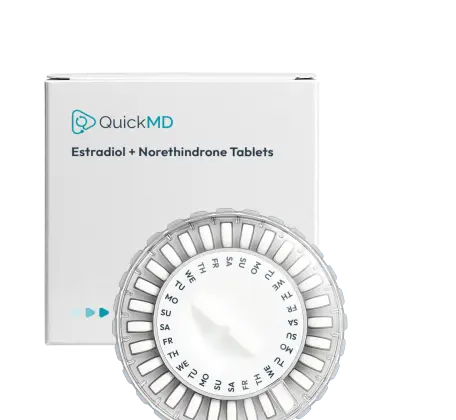
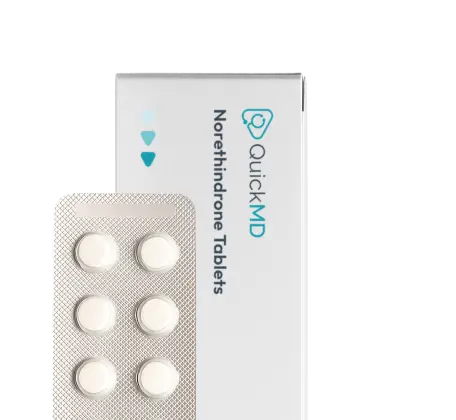
Estrogen can be delivered through oral tablets, skin patches, creams, gels, sprays, or vaginal rings. Progesterone is added if you still have a uterus to prevent uterine lining complications. In some cases, testosterone may also be prescribed to help with libido, energy, or muscle health.
In short, MHT targets the root hormonal imbalance of menopause, not just the symptoms, making it one of the most effective treatments available.