What you’ll learn
We’ll help you understand the key difference between buprenorphine-only medications and those that include naloxone (like Suboxone®). We’ll explain how each works, their benefits, and when one might be recommended over the other in your treatment plan.
If you’re battling opioid use disorder (OUD) and starting recovery, the right medication can make all the difference in easing withdrawal symptoms and cravings. Buprenorphine and Suboxone® (buprenorphine-naloxone)are two leading medications used in Medication-Assisted Treatment (MAT). Each offers unique benefits, and understanding their differences can help you feel more confident as you discuss options with your doctor. Let’s explore what makes each medication special, how they work, and how they can support your recovery journey.
Buprenorphine: The foundation of MAT
Think of buprenorphine as the essential foundation of many OUD treatments. It’s the key ingredient in the brand-name medication Suboxone, but it’s also available as a standalone medication to treat OUD. Many people find buprenorphine helpful because it works differently from other opioids.
Buprenorphine is what’s called a “partial opioid agonist.” In simpler terms, it gently attaches to the same receptors in your brain that opioids use, but without creating the intense rush associated with other opioids. This helps reduce withdrawal symptoms and cravings, making recovery feel more manageable. The medication comes in several forms, including tablets, films, or patches, giving you and your doctor more flexibility to choose what works best for you.
Benefits of buprenorphine
Let’s take a look at what makes buprenorphine such an important tool in recovery:
- Reduces withdrawal symptoms: Buprenorphine helps ease the difficult physical symptoms that can come with stopping opioids, while also reducing cravings
- Ceiling effect for added safety: At higher doses, buprenorphine reaches what’s called a “ceiling effect.” This means that taking more doesn’t increase the opioid effects beyond a certain point. This lowers the risk of overdose compared to full opioids like methadone.
- Accessible treatment: Buprenorphine can be prescribed in outpatient settings, making treatment more convenient and reducing the need for daily clinic visits.
- Lowers the risk of misuse: Because of how it works in your body, buprenorphine has a lower risk of misuse and overdose compared to full opioids.
Buprenorphine represented a major advancement in opioid treatment. Before its development, methadone was the primary medication option, but it required daily clinic visits and had higher risks of misuse and overdose. This shift allowed more people to access effective treatment in more flexible settings.
What Is Suboxone (buprenorphine-naloxone)?
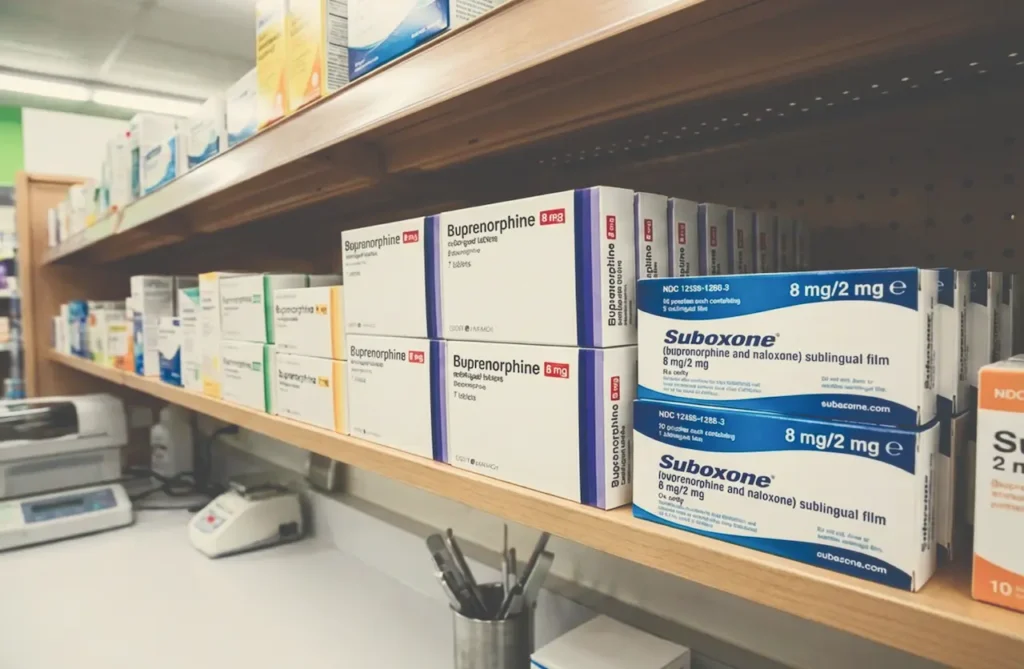
The brand-name medication Suboxone combines two medications in one: buprenorphine (which we just discussed) and naloxone. Let’s break down what this combination means for your treatment.
Naloxone is what’s called an “opioid antagonist.” Think of it as a protective safeguard. When taken as directed, the naloxone has little effect. But if someone tries to misuse Suboxone by injecting it, the naloxone quickly activates and blocks opioid effects. This built-in safety feature helps prevent misuse while still allowing the buprenorphine to do its job of reducing cravings and withdrawal symptoms.
Why Suboxone stands out
Suboxone is a trusted choice in MAT for several important reasons:
- Built-in safety features: The ingredient naloxone makes Suboxone less likely to be misused, making it a safer option.
- More trust, more treatment: Because of its safety profile, more doctors feel comfortable prescribing Suboxone, which means more people can access treatment when they need it.
- Peace of mind: For many people in recovery, knowing there’s an extra layer of protection provides additional confidence in their treatment plan.
Buprenorphine vs. Suboxone: A side-by-side comparison
Let’s take a closer look at how buprenorphine and Suboxone stack up next to each other.
| Feature | Buprenorphine | Suboxone |
| Active ingredients | Buprenorphine | Buprenorphine-naloxone |
| How it works | Partial opioid agonist; reduces cravings | Partial agonist + opioid antagonist; reduces cravings and prevents misuse |
| Form | Tablets, patches, or injections | Tablets, troches, or films (sublingual) |
| Misuse deterrence | Lower potential for misuse, but can still be misused | Naloxone reduces misuse risk when injected |
| How it’s taken | Daily or less frequent dosing | Daily dosing with film or tablet |
| Overdose prevention | Ceiling effect limits risk | Same ceiling effect with added naloxone safety |
| Preferred for | Patients without a history of injection misuse | Those needing extra protection against misuse |
When is buprenorphine used?
Your doctor might recommend standalone buprenorphine in certain situations. Here are some examples:
- Allergic reactions: If someone has an allergy or sensitivity to naloxone, buprenorphine alone may be the better choice.
- Liver concerns: Since naloxone can add extra work for the liver, people with severe liver issues might use buprenorphine alone.
When is Suboxone used?
Your doctor might recommend Suboxone when:
- There’s concern about misuse: For people with a history of medication misuse, the added protection of naloxone can provide extra safety.
- Peace of mind is important: Some people feel more confident in their recovery knowing there’s an additional misuse deterrent.
- Doctors want added safeguards: Healthcare teams sometimes prefer Suboxone’s built-in protection, especially during early recovery.
- Insurance coverage: Some insurance plans may have better coverage for Suboxone.
Which one is right for you?
Choosing between buprenorphine and Suboxone is a decision that depends on your unique situation and should be discussed with your doctor. Learning more about your options can help you have an honest, thoughtful conversation with your doctor. They’ll listen to your concerns and, if appropriate, prescribe medication to help you on your sobriety journey.
- Buprenorphine might be a good fit if you’re looking for a flexible treatment option with different formulations.
- Suboxone could be the right choice if you’re concerned about misuse risk, or if you and your doctor want the added protection of naloxone, especially during early recovery stages.
Both medications are highly effective for OUD, both can be used during pregnancy, and both can help you take control of your health and rebuild your life. The best choice will depend on your individual circumstances, medical history, and recovery goals. Your doctor will listen without judgment, learn about your preferences, and work with you to create a plan that feels right for you.
Access Suboxone treatment with QuickMD
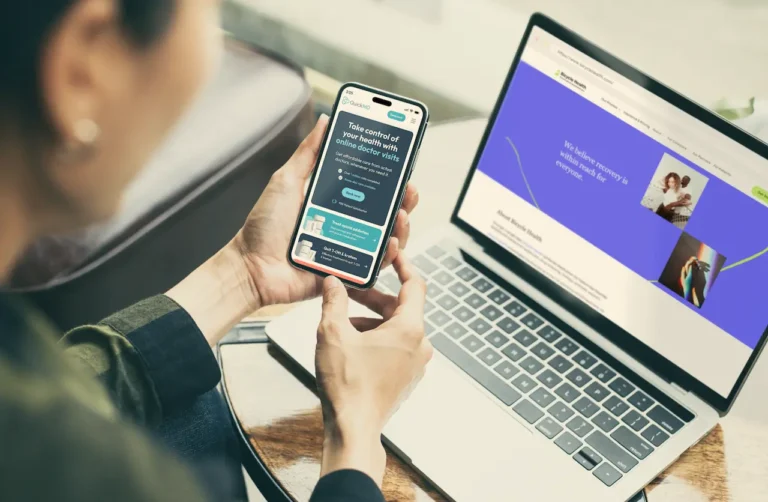
Here at QuickMD, we understand the importance of safety and convenience in your recovery journey. That’s why we offer accessible telemedicine consultations to meet you where you are. Our doctors offer judgment-free, online care that fits into your life.
Your QuickMD doctor will walk you through treatment options and recommend a treatment plan tailored to your goals and medical history.
Frequently asked questions about buprenorphine vs Suboxone
Is Suboxone more effective than buprenorphine?
Both are effective in reducing withdrawal symptoms and opioid cravings. Suboxone contains buprenorphine plus a second ingredient called naloxone, which is added to lower the risk of misuse. This combination makes it a common first choice for many doctors.
Do you need to be in withdrawal to start treatment?
Yes. Moderate withdrawal is usually required before starting medications like Suboxone or buprenorphine. This helps avoid a sudden return of withdrawal symptoms, which can happen if treatment is started too early. Your QuickMD doctor will guide you on when and how to start your medication safely.
Can treatment plans change over time?
Absolutely. Recovery is not one-size-fits-all. Your plan may evolve based on how you’re feeling, how the medication is working, and your personal goals. Some patients stay on treatment long-term, while others gradually taper under medical supervision. Your doctor is here to support you every step of the way.
Disclaimer
Articles on this website are meant for educational purposes only and are not intended to replace professional medical advice, diagnosis or treatment. Do not delay care because of the content on this site. If you think you are experiencing a medical emergency, please call your doctor immediately or call 911 (if within the United States). This blog and its content are the intellectual property of QuickMD LLC and may not be copied or used without permission.
References
Gillette, H., (2023). What Are Partial Opioid Agonists? Healthline. https://www.healthline.com/health/partial-opioid-agonist
Modesto-Lowe, V., Brooks, D., Petry, N. (2010). Methadone Deaths: Risk Factors in Pain and Addicted Populations. J Gen Intern Med. 2010 Jan 20;25(4):305–309. https://pmc.ncbi.nlm.nih.gov/articles/PMC2842557/
Gragnolati, A. (2024). Treating Opioid Use Disorder During Pregnancy: Are Suboxone and Subutex Safe? GoodRx. https://www.goodrx.com/conditions/pregnancy/taking-subutex-while-pregnant
QuickMD has strict referencing policies and relies on reputable sources, including peer-reviewed research, clinical guidelines, medical organizations, and government and public health agencies, among others. Learn more about how we ensure accuracy in our content by reading our editorial guidelines.