What you’ll learn
We’ll explain whether Suboxone® can show up on a standard drug test, how to prepare for conversations with an employer, and how your recovery is protected by law.
If you’re taking Suboxone® as part of your treatment for opioid use disorder (OUD), you may be concerned about whether it will show up on a drug test. Whether it’s for employment, medical screenings, or legal reasons, knowing how Suboxone interacts with different types of drug tests can help you navigate these situations confidently.
First, here’s a quick refresher: Suboxone is a medication composed of buprenorphine, a partial opioid agonist, and naloxone, an opioid antagonist. Buprenorphine helps reduce cravings and withdrawal, gently activating the same brain receptors as other opioids, minus the high or the risk of overdose. Naloxone, meanwhile, stays inactive when you take Suboxone as directed, only “kicking in” if someone tries to misuse it.
So, will Suboxone show up on a drug test? In most cases, no. Standard drug tests aren’t designed to detect buprenorphine. And if it does appear because you’re taking a more specialized test, you have every right to explain that it’s part of your medically-approved treatment plan. There’s nothing to be ashamed of. In fact, you’re doing exactly what medical experts recommend: treating OUD as the manageable medical condition it is.
Let’s walk through the details so you know what to expect and how to handle anything that comes up with peace of mind.
Will Suboxone appear on drug tests?
Suboxone will only show up if the test is specifically designed to detect buprenorphine. These tests are called expanded drug panels or buprenorphine-specific tests. They are not the tests that most employers use when you’re applying for a job.
Let’s break down the different types of tests simply so you know what to expect.
Standard drug panels
Suboxone drug tests are not part of standard drug panels. Why? Because it’s not a drug of misuse. Rather, it’s a proven, FDA-approved treatment for OUD. Most employers use routine screenings to check for substances like heroin, cocaine, or THC. They do not test for medications that support recovery.
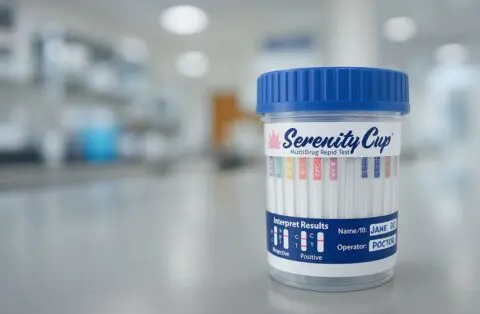
Common drug tests, like 5-panel or 10-panel screenings, are designed to detect substances like heroin, morphine, cocaine, THC, and amphetamines. For certain employment opportunities, you may be given these screenings. Please keep in mind that buprenorphine is typically not among the detected drugs in the 5-panel and 10-panel screenings.
Let’s take a look at the most common tests:
- 5-panel drug tests look for the most commonly misused drugs: marijuana, cocaine, amphetamines, opiates (e.g., heroin), and PCP. This is the go-to for many employers. This often takes the form of urine tests. It does not detect buprenorphine or Suboxone.
- 7-panel drug tests: These tests are often used for safety-sensitive roles (like operating heavy machinery). In addition to testing for everything in a 5-panel drug test, this test adds barbiturates and benzodiazepines. It also does not include buprenorphine or Suboxone.
- 10-panel drug tests may expand to include drugs like barbiturates and benzodiazepines, but generally don’t test for buprenorphine or Suboxone.
- 12-panel drug tests: This type of test screens for opiates in depth and can register methadone, oxycodone, and possibly buprenorphine or Suboxone. However, these are rare in workplace settings.
So, will Suboxone show up on a 10-panel test or 12-panel test? Almost always, the answer is no. And even if it does, because your test is unusually comprehensive, remember that you have a valid prescription and a legitimate medical reason for taking it. You are protected by law against discrimination for seeking treatment.
Specialized testing
If a drug test specifically screens for buprenorphine (often labeled as “BUP” on results), Suboxone will be detected. These kinds of tests are rare, however, and are generally reserved for:
- Clinical monitoring in substance use programs, just to monitor progress
- Legal and probationary settings.
- Treatment compliance to ensure medication adherence.
If you have to take any of these tests, it can be helpful to mention your Suboxone prescription upfront. That way, the test administrator knows to expect buprenorphine and won’t misinterpret it as misuse. Transparency protects you and keeps things moving smoothly.
How long can Suboxone be detected?
Another common worry is how long Suboxone may be detectable. There isn’t a single answer for this because it can depend greatly on your metabolism. Your liver function will impact your Suboxone levels. If your liver doesn’t function properly, then the half-life of the medication can increase.
Dosage also plays a role. Lower doses can be more rapidly eliminated, so it’s even less likely that tests will spot them. Additionally, taking other medications with Suboxone can impact how long it lasts in your system. For instance, certain HIV medications can slow its clearance.
- Urine tests: The most common method, which can detect buprenorphine for up to 7-14 days.
- Saliva tests: Occasionally used but less reliable for buprenorphine detection, detectable for a few days to a week.
- Blood tests: Less common and typically detected for up to 48 hours.
- Hair tests: Can detect Suboxone for up to 90 days, though rarely used for buprenorphine.
Does naloxone show up on a drug test?
No. Naloxone, the second ingredient in Suboxone, is not typically tested for in drug screenings. Its only role in Suboxone is to deter misuse. When taken as directed and dissolved under the tongue, it stays inactive and leaves your system quickly. You can breathe easier when thinking about naloxone and drug tests.
Will Suboxone trigger a positive for opioids?
No, Suboxone will not cause a positive result for traditional opioids on standard drug tests. Routine screenings target opiates like heroin and codeine, not partial opioid agonists like buprenorphine. The chemical makeup is different, so even if Suboxone is detected, it won’t be seen as a standard opioid. It doesn’t break down into the same compounds that routine opioid tests look for (like morphine or codeine).
What should you do if you’re concerned about drug testing?
Recovery in a Medication-Assisted Treatment (MAT) program is a major step in taking back control of your health and rebuilding your life. Balancing relationships with friends, family, and finding steady employment are all part of creating a support system in recovery and beyond.
It’s understandable that you may have worries around whether your prescription for Suboxone may trigger uncomfortable feelings during a routine drug test for a job. Thankfully, you can feel more at ease knowing that most tests do not test for Suboxone or buprenorphine. And even if they do, you’re protected against discrimination.
Disclosure and documentation
When in doubt: disclose your prescription. It’s not just smart—it’s your right. Bring a copy of your Suboxone prescription (or a letter from your provider) to the testing site if you can. If you’re in a treatment program, documentation from your care team can also help.
And remember: you’re protected by law. The Americans with Disabilities Act (ADA) recognizes OUD as a disability, and using Medication-Assisted Treatment like Suboxone is a legally protected form of recovery. You cannot be discriminated against for using a prescribed medication to manage a medical condition.
If you’re ever unsure how to explain your treatment, the team at QuickMD is here to help. We’ve guided countless patients through this exact situation. We’ll make sure you feel informed, supported, and empowered.
What should you do if Suboxone appears on your test?
If Suboxone does show up on a drug test, there’s no need to panic. Here’s how to handle the situation:
- Be honest: Inform your employer or healthcare provider that you’re using Suboxone as part of a prescribed treatment plan.
- Provide documentation: Have a copy of your prescription ready to verify your legitimate use.
- Know your rights: Employers must comply with the Americans with Disabilities Act (ADA), which protects individuals in recovery.
If you need help getting documentation or clarification, we can assist. Just reach out.
Suboxone and drug tests: what you should know from QuickMD
Worrying about drug tests is normal, but it shouldn’t hold you back from getting the care you deserve. Suboxone is unlikely to show up on most tests, and even when it does, it’s easily explained and legally protected.
Opioid use disorder is a treatable brain condition, not a character flaw. And using medications like Suboxone isn’t “substituting one drug for another.” It’s medicine, just like insulin for diabetes or antidepressants for depression.
Understanding how Suboxone interacts with drug tests can help you feel more confident and prepared as you navigate recovery. Whether you’re in the initial stages of considering a recovery program or are already in active recovery, you can trust that your Suboxone prescription is not going to be a problem.
At QuickMD, we’ve walked alongside hundreds of people through this exact question. And we’re here to support you, too. You’ll receive compassionate, judgment-free care, online visits, and personalized treatment plans that put you in control of your recovery.
Frequently asked questions about Suboxone and drug tests
Will Suboxone show up on a standard drug test?
Suboxone is not usually detected on standard drug tests, but specialized tests can identify buprenorphine, its active ingredient. In most instances, the only tests that will detect it are 12-panel ones or those that are specifically looking for Suboxone.
Do I need to disclose my Suboxone prescription before a drug test?
Yes, it’s a good idea to disclose any prescribed medications, including Suboxone, to avoid misunderstandings during the testing process. Even if it’s not always legally required, disclosure prevents misunderstandings. Bring your prescription or treatment documentation just in case.
Can my employer fire me for taking Suboxone?
In most cases, employers cannot take action against you for using legally prescribed medications, including Suboxone. The Americans with Disabilities Act (ADA) protects those in recovery, and using Suboxone as part of a prescribed treatment plan is completely legal and should not be a cause for concern.
How can I ensure my treatment plan is protected?
Work with a licensed provider like QuickMD to ensure you have proper documentation for your prescription. We can also help you provide documentation to verify your prescription and treatment status whenever you need it.