What you’ll learn
If you’ve been dealing with perimenopause or menopause weight gain, we’ll walk you through how GLP-1 medications might fit into your overall health goals. You’ll get a clear sense of who’s typically a good candidate, how they work, and what some of the latest research says.
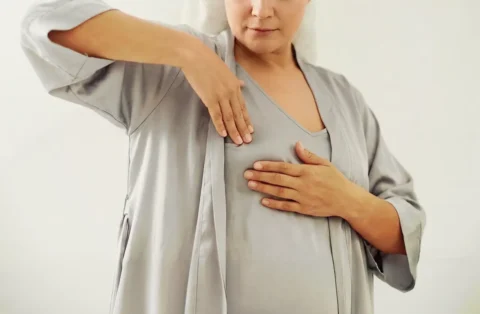
From brain fog to hot flashes, menopause and perimenopause come with a number of frustrating symptoms. And if you’ve noticed changes in your weight, energy, or how your clothes fit, you’re definitely not alone. During this change of life, many women start carrying extra weight, especially around the middle, even if their routines haven’t changed. This is because menopause brings hormonal changes like lower estrogen levels, which lead to a range of effects that include weight gain for many women.
At the same time, medications like Ozempic® and Wegovy® (often referred to as GLP-1s) have been helping people manage weight in new ways. So, is there a place for GLP-1 medications in your menopause wellness plan? For many women, the short answer is yes. If you’ve experienced weight gain related to menopause or perimenopause, it might be worth a thoughtful conversation with a trusted provider to see if GLP-1s can help you take control of your health.
What are GLP-1 medications?
GLP-1 medications are prescription drugs designed to support weight loss and help manage Type 2 diabetes. They work by mimicking a glucagon-like peptide-1, a natural hormone in your body that helps regulate appetite, digestion, and insulin release. When you take a GLP-1 medication, it can help you feel fuller longer, slow down how quickly food leaves your stomach, and support more stable blood sugar levels.
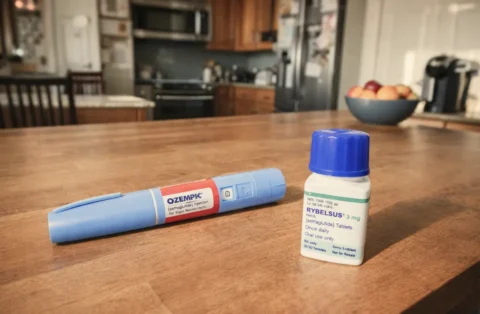
If you and your healthcare provider decide a GLP-1 might be right for you, here’s what to expect: some options, like Ozempic (semaglutide), come as a once-weekly injection via a small pen. Others, like Rybelsus®, are daily pills. There are also newer options that act on two hormone pathways. These are called dual GIP/GLP-1 medications and include such brand names as Mounjaro® and Zepbound® (both containing tirzepatide). Each has its own benefits, and your provider can help you understand which might align best with your needs and lifestyle.
Want to know more about how GLP-1 medications work for weight loss and what your first 30 days on a GLP-1 might look like? We’ve got you covered.
What does the research say about GLP-1 medications and weight loss?
Research shows that GLP-1 medications can be both safe and effective for weight management. In one 2023 study involving over 2,400 people, about one in three participants lost at least 5% of their body weight over 72 weeks. This level was considered statistically and clinically meaningful for improving health. Another analysis of more than 23,000 patients found that medications like semaglutide consistently led to reductions in weight, BMI, and waist size.
There’s also encouraging news for women in menopause. A 2025 study looked at women using tirzepatide (the active ingredient in Zepbound and Mounjaro) alongside menopause hormone therapy (MHT). On average, those using both lost 17% of their body weight, compared to 14% for those using tirzepatide alone. While more research is always helpful, this suggests that combining approaches may offer added benefit for some women.
How do GLP-1s work in perimenopausal and menopausal women?
It’s pretty common to gain weight during perimenopause and menopause. Approximately 70% of women do. The “Meno-Belly” starts to evolve during perimenopause.
On average, women in their 50s gain 1 to 2 pounds per year. While lifestyle and genetics contribute, hormonal shifts are a major factor. As estrogen levels drop, your body tends to store more fat around your abdomen (sometimes called visceral fat) instead of in areas like your hips or thighs. This type of fat is more closely linked to health risks like heart disease and Type 2 diabetes.
With this in mind, GLP-1 medications can support more than just weight loss. They may also bring added benefits for long-term health. In addition to helping manage weight, they can contribute to better heart health and lower risk of conditions like stroke or kidney disease, especially if you’re also managing diabetes.
GLP-1s activate the same receptors your body uses naturally. This triggers your pancreas to release just the right amount of insulin, slows your digestion so you feel satisfied longer, and sends clearer “I’m full” signals to your brain. All of this can make weight management feel less like an uphill battle.
“Everyone has a unique relationship to the topic of weight, shaped by decades of cultural conditioning and personal experiences. Normal hormonal stages, like perimenopause and menopause, create a new set of weight management challenges. Your previous ways to lose weight no longer work, but there’s a hormonal explanation to explain why new strategies have to be used to reach a healthy weight,” notes Dr. Sheryl Ross (Dr.Sherry), our Chief Medical Officer of Women’s Health here at QuickMD.
GLP-1s like Ozempic or dual-action options like Mounjaro aren’t overnight fixes. However, for many women, they’re a helpful tool when combined with other healthy habits: staying active, eating well, prioritizing sleep, avoiding tobacco, and keeping alcohol consumption in check.
Who is a good candidate for GLP-1 medications?
“There is real science to support using GLP-1’s during hormonal transitions that will help you maintain a healthy weight and protect you from unwanted medical complications associated with obesity.”
If you’re wondering whether a GLP-1 might be right for you, your healthcare provider will consider your full health picture.
Generally, you might be a good candidate if:
- Your body mass index (BMI) is 30 or higher.
- Your BMI is 27 or higher and you have a weight-related medical condition, like sleep apnea, Type 2 diabetes, or heart disease.
- You don’t have a personal or family history or family history of certain conditions, such as pancreatitis, thyroid cancer, or severe gastrointestinal disorders like gastroparesis
Like any medication, if you take GLP-1s for menopause weight gain, you may experience temporary side effects. This is normal, especially when you first start or increase your dose. The good news is that most symptoms are mild.
Here are a few simple tips for managing common GLP-1 side effects.
- Constipation: Try adding fiber slowly into your diet to help prevent constipation. Great sources include apples, bananas, oats, nuts, and sweet potatoes.
- Nausea: To minimize nausea, try to limit or avoid foods and beverages that can cause gas or bloating, such as alcohol, spicy foods, dairy products, and carbonated drinks. Instead, choose small, frequent meals with lean protein and lower fat.
- Headaches: Stay hydrated and don’t skip meals. Low blood sugar can trigger or make headaches worse, so regular, balanced eating helps.
- Acid reflux (heartburn): Because GLP-1s slow stomach emptying, heartburn can happen. Try staying upright for at least an hour after eating and limiting acidic foods like coffee, citrus, and tomatoes.
Want a closer look at what to expect? We break down the side effects vs. benefits of Ozempic in plain terms.
Will my insurance cover GLP-1 medications?
Insurance coverage for GLP-1 medications depends on your plan and why you’re using the medication. Many insurers will cover GLP-1s for Type 2 diabetes, but weight loss coverage often comes with extra steps. You might need a BMI above a certain threshold, a related health condition (like high blood pressure or sleep apnea), or a prior authorization from your provider. Employer-sponsored plans, Medicare, and Medicaid all handle this differently. So, it’s always worth checking directly with your insurer to see what’s covered.
If insurance isn’t an option, some providers (including QuickMD) offer transparent, upfront pricing so you know what to expect. Additionally, nationwide chains like Costco are now offering GLP-1s as part of their prescription program at a fraction of the retail cost you’d normally pay if purchased out-of-pocket. You’ll still need a prescription, but the cost is much lower.
If you’re mulling over your options and your insurance doesn’t cover GLP-1s, our team at QuickMD can help determine if you’re a good candidate for the medication, chat with you to understand your needs, and help you get a prescription that can be filled at a pharmacy of your choice.
Get support for menopause and weight loss
You don’t have to navigate menopause or weight changes on your own. If you’re considering menopause hormone therapy (MHT) or a GLP-1 for menopause weight gain, talk to a QuickMD provider who can help you determine whether you’re a good candidate based on your medical history.