What you’ll learn
We’ll walk through why breast discomfort happens during menopause. We’ll cover what changes are considered normal, when to get checked, and how to manage symptoms so you can feel more comfortable and confident in your body.
If your breasts feel different lately, you’re not imagining it. Perimenopause and menopause can bring a whole lineup of changes, and your breasts are very much along for the (sometimes bumpy) ride. Tenderness. Swelling. Aches. Changes in size, shape, or firmness. Even new lumps that weren’t there before.
For many women, this phase can feel like going through a second puberty. Hormones shift, your body responds, and things that once felt familiar suddenly…don’t. The upside is that most breast changes during perimenopause and menopause are normal and not dangerous. Understanding what’s happening can take a lot of the fear out of the experience and help you know what’s just a normal part of “the change” versus when it’s time to check in with a doctor. And because these hormonal shifts affect more than your breasts, you may notice changes elsewhere in your body too, from changes in your skin and sleep to hair thinning during menopause.
Does perimenopause and menopause cause breast tenderness?
Yes, it can. Breast tenderness is a common symptom during perimenopause, when estrogen and progesterone levels fluctuate unpredictably. These hormones affect breast tissue directly. As levels rise and fall, the tissue can retain fluid or become more sensitive, leading to aching, burning, or heaviness in one or both breasts.
This type of tenderness often feels different from the breast tenderness you may have had earlier in life. Instead of predictable timing around your period, the discomfort can come and go without much warning.
Other common perimenopause symptoms may include:
- Irregular periods
- Hot flashes or night sweats
- Mood changes or irritability
- Sleep disruption
- Brain fog or trouble concentrating
Breast changes can also happen during pregnancy. However, pregnancy-related breast tenderness comes with other clear signs, such as missed periods or nausea. During perimenopause and menopause, breast tenderness is driven by hormone shifts rather than pregnancy. Although perimenopause comes with irregular periods, you can still get pregnant.
You know your body best. If you miss a period, have breast tenderness, and think you might be pregnant, take a pregnancy test and check in with your healthcare provider to find out what’s happening.
What increases the risk of breast pain?
Breast pain during menopause or perimenopause is usually not a cause for alarm. That said, understanding what’s contributing to that discomfort can help you better understand what’s normal and what deserves a closer look. If breast tenderness or other perimenopausal symptoms are affecting your quality of life, QuickMD’s menopause hormone therapy program offers same-day online visits with licensed clinicians.
Common causes of breast pain include:
- Hormonal fluctuations: Shifting estrogen and progesterone levels can make breast tissue more sensitive or swollen.
- Medications: Some medications can contribute to breast tenderness. These include certain antidepressants (like SSRIs), blood pressure medications, heart medications, and hormone-related drugs. If you’ve started a new medication and noticed changes, it’s worth mentioning to your doctor.
- Poor bra fit: An underwire that pokes, straps that dig, or a lack of proper support can irritate breast tissue, especially if your breast size has changed.
- Benign breast lumps or cysts: Some women’s breasts are naturally lumpy. That’s totally normal. However, fluid-filled cysts and noncancerous growths are common breast changes during perimenopause. Fluctuating hormones can cause changes in breast tissue and milk ducts, making your breasts feel sore or lumpy.
- Infection: Though less common, infections can cause pain, redness, warmth, or swelling.
- Weight changes: Weight gain or loss can change breast size and firmness, stretching or reducing supportive tissue, and leading to discomfort.
When should I be worried about breast pain?
In rare cases, persistent or unusual breast or nipple pain can be associated with more serious conditions, including some types of breast cancer. Learning about the risk factors for breast cancer can help you understand which changes are worth talking through with a doctor.
Talk with a doctor if:
- Breast pain is severe or persistent.
- You notice a new lump that doesn’t go away.
- You have a lump in your armpit or underarm area.
- There’s nipple discharge, skin changes, or redness.
- You feel worsening pain in one particular spot.
Thankfully, in most cases, sore breasts are just another normal part of menopause and not a cause for alarm. However, it’s important to be aware of any changes that feel off to you. While menopause brings a lot of changes, it can’t be stressed enough that you know your body best. Visiting your doctor can give you added peace of mind or help you treat a serious issue early on.
How to treat breast pain caused by perimenopause or menopause
Managing breast discomfort often starts with simple steps. Many women find relief with a combination of lifestyle adjustments, supportive care, and medical guidance.
Common approaches include:
- Wearing a well-fitting, supportive bra, especially during exercise.
- Using warm or cool compresses for relief.
- Boosting your intake of omega-3s, vitamin B, and vitamin E.
- Cutting back on caffeine or high-sodium foods, which may worsen swelling.
- Over-the-counter pain relievers, when appropriate.
Some women also benefit from perimenopause and menopause treatment. Menopause hormone therapy (MHT) can help stabilize hormone levels and reduce symptoms, including breast tenderness, when it’s appropriate for your health history.
How else do breasts change as you get older?
Breast tenderness isn’t the only change that can happen during perimenopause and menopause. Aging and hormonal shifts affect breast tissue in several ways.
Changes in size and shape
- Why it happens: As estrogen levels decline, breast tissue gradually becomes less dense and more fatty. This can lead to a loss of fullness or changes in shape. Some women notice their bras fit differently, even without major weight changes.
- What helps: Treat yourself to getting re-fitted for bras, choosing styles with better support. Light strength training and body weight exercises (like yoga, pushups, or handweights) can help you maintain chest and upper-body strength.
Lumpy breasts
- Why it happens: Breasts may feel lumpier during perimenopause due to cysts or fibrous tissue. These lumps are usually benign, but they can feel alarming if they’re new.
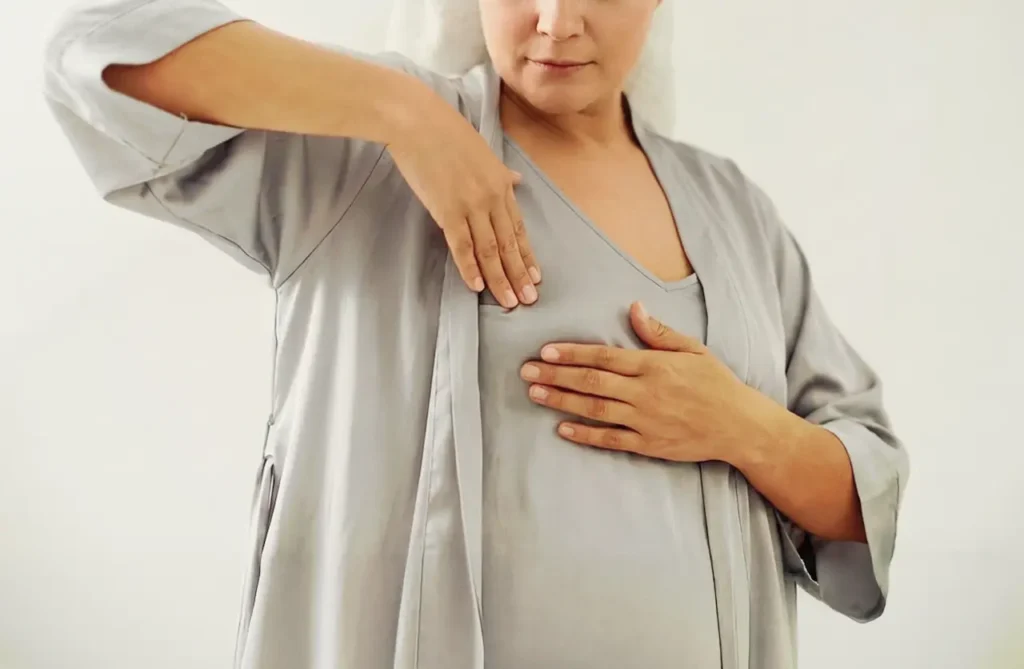
- What helps: Make it a habit to conduct a monthly self-examination of your breasts. Regular breast self-awareness and routine screenings help you recognize what’s normal for your body.
Saggy breasts
- Why it happens: With age, the ligaments that support breast tissue naturally stretch. Combined with hormonal changes, this can lead to sagging.
- What helps: Supportive bras and strength training for posture and chest muscles can help you feel more comfortable and confident.
Do breasts commonly grow during perimenopause or menopause?
Breast growth during menopause isn’t typical, but it does happen for some women. Hormonal fluctuations, fluid retention, and weight changes can temporarily increase breast size. Over time, lower estrogen levels usually lead to less dense breast tissue, which can make breasts feel smaller or less firm.
If breast growth is sudden, painful, or accompanied by other concerning symptoms, it’s a good idea to check in with your doctor.
Want support for your menopausal symptoms? Talk with QuickMD
Breast changes can be uncomfortable, confusing, and sometimes worrying. While these are all normal parts of perimenopause and menopause, you don’t have to just deal with them. At QuickMD, our team of licensed doctors understands menopause care. We’re here to help you make sense of your symptoms, discuss menopause hormone therapy, and create a plan that fits your life.
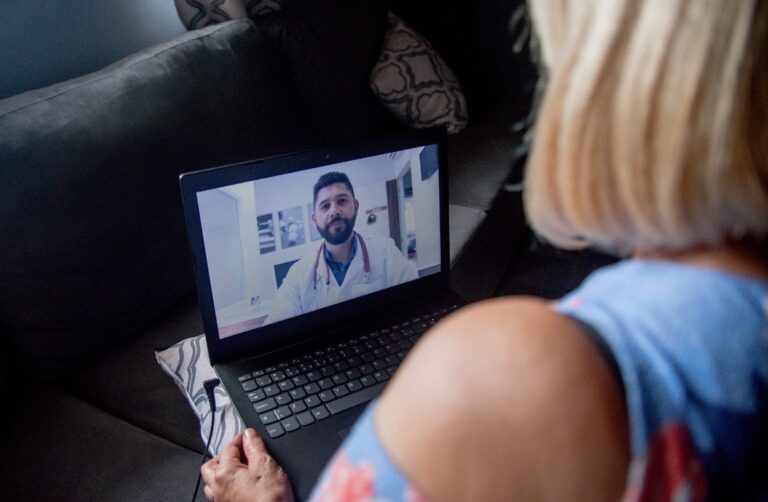
We offer easy-to-book virtual visits, all from the comfort and privacy of home. Same-day visits are available, too.
Disclaimer
Articles on this website are meant for educational purposes only and are not intended to replace professional medical advice, diagnosis or treatment. Do not delay care because of the content on this site. If you think you are experiencing a medical emergency, please call your doctor immediately or call 911 (if within the United States). This blog and its content are the intellectual property of QuickMD LLC and may not be copied or used without permission.
References
Mayo Clinic Comprehensive Cancer Center. (2023). Breast health during menopause. https://cancerblog.mayoclinic.org/2023/12/28/breast-health-during-menopause/
Harvard Health. (2020). Breast pain: Not just a premenopausal complaint. https://www.health.harvard.edu/pain/breast-pain-not-just-a-premenopausal-complaint
Healthline. (2024). Are Sore Breasts a Sign of Menopause? https://www.healthline.com/health/menopause/sore-breasts-menopause
Unity Point Health. (2026). What Causes Breast Tenderness and Pain? https://www.unitypoint.org/news-and-articles/when-to-worry-about-breast-pain
Cleveland Clinic. (2023). Breast Cysts. https://my.clevelandclinic.org/health/diseases/15691-breast-cysts
BreastCancer.org. (2025). Signs and Symptoms of Breast Cancer. https://www.breastcancer.org/signs-symptoms
Cleveland Clinic. (2024). Breast Pain (Mastalgia). https://my.clevelandclinic.org/health/diseases/15469-breast-pain-mastalgia
WebMD. (2024). How Menopause Affects Your Breasts. https://www.webmd.com/menopause/breasts-menopause
Den Tonkelaar, I., Peeters, P.H.M., van Noord, P.A.H. (2004). Increase in breast size after menopause: prevalence and determinants. Maturitas. 2004 May 28;48(1):51-7. https://pubmed.ncbi.nlm.nih.gov/15223108/
QuickMD has strict referencing policies and relies on reputable sources, including peer-reviewed research, clinical guidelines, medical organizations, and government and public health agencies, among others. Learn more about how we ensure accuracy in our content by reading our editorial guidelines.