What you’ll learn
You’ll get a clear, easy-to-follow explanation of how Mounjaro® works if prescribed off-label for weight loss, how long it takes to see results, and how to get started with a QuickMD provider to jumpstart your weight loss journey.
Are you curious about how Mounjaro® can help you shed extra pounds? You’re not alone. This medication is gaining attention for its promising results, especially for people looking to manage weight more effectively and sustainably.
Here at QuickMD, our licensed providers can help you get a Mounjaro prescription online along with personalized guidance every step of the way. You can even choose to have your medication shipped straight to your home or sent to your local pharmacy, giving you even more convenient options to suit your lifestyle and goals.
If you’re considering Mounjaro, we’ll break down exactly how this game-changing medication works and what to expect when using it as part of your weight loss journey.
What is Mounjaro (tirzepatide)?
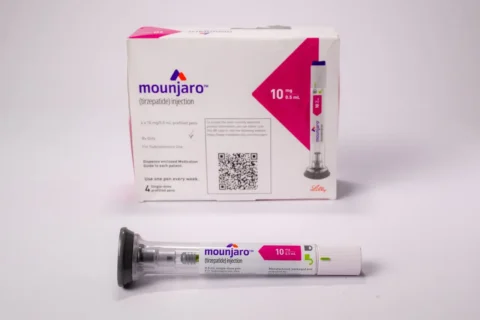
Mounjaro (also known by its generic name tirzepatide) is a medication that was originally developed to treat type 2 diabetes. It’s FDA-approved for that use. However, in recent years, providers have also prescribed it off-label for weight loss.
How does Mounjaro (tirzepatide) work for weight loss?
Mounjaro helps your body lose weight by activating two key hormone receptors: GLP-1 and GIP. These hormones naturally occur in your body and play a big role in blood sugar regulation, fat storage, and feelings of hunger and fullness. Mounjaro mimics their action to help you feel satisfied with less food and store fat more efficiently.
Let’s take a closer look.
GLP-1 receptor
GLP-1, or glucagon-like peptide-1, is a hormone that has a few important jobs in your body. One of its main jobs is to tell your brain, “Hey, I’m full.” It also helps regulate blood sugar by slowing how quickly food leaves your stomach and by encouraging insulin release.
Mounjaro works by activating your GLP-1 receptors to enhance these effects. That means you feel full sooner, stay full longer, and are less likely to overeat. Medications like Ozempic also target this receptor, which is why they’re often used for weight loss too.
GIP receptor
GIP (glucose-dependent insulinotropic polypeptide) is another hormone that helps control blood sugar levels and how your body metabolizes fats. When you eat, GIP helps your body release insulin. Insulin is a hormone that lowers your blood sugar levels and helps your body store energy properly.
What makes Mounjaro unique is that it targets both GLP-1 and GIP receptors. This dual action helps regulate your appetite and improve how your body processes fat, making it more effective than medications that target only one receptor.
Is Mounjaro (tirzepatide) effective?
Mounjaro has shown impressive results in clinical trials. A recent study showed that patients who used 15.0 mg of Mounjaro for 72 weeks lost an average of almost 21% of their body weight.
However, it’s important to note that the long-term effects of Mounjaro are still being studied, and individual results vary. Some patients may regain weight after stopping the medication. That’s why pairing Mounjaro with healthy habits, like balanced eating and regular movement, is key to long-term success.
How do you take Mounjaro (tirzepatide)?
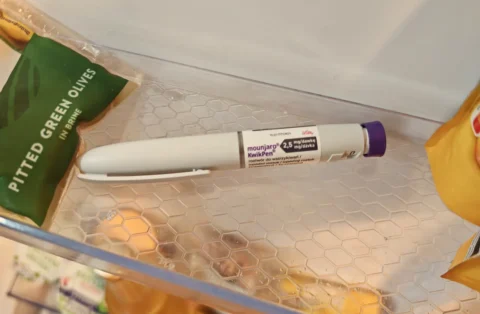
Mounjaro is taken once a week as an injection under the skin. Most patients start with a low dose (usually 2.5 mg) and may gradually increase to 5 mg, 10 mg, or 15 mg depending on how their body responds and what their provider recommends. Having a knowledgeable provider in your corner can help you find the right starting dose and make any adjustments along the way to support your comfort and progress.
How long does it take Mounjaro to start working for weight loss?
Most people begin noticing weight changes within the first few weeks of starting Mounjaro. For some, the scale moves quickly. For others, it’s more gradual. In clinical studies, significant weight loss often appeared by the three-month mark.
Let’s take a look at the typical timeline.
Initial changes
In the first month, many patients report a noticeable drop in appetite and some early weight loss. This is a good sign that the medication is starting to do its job. This is due to Mounjaro’s action on both the GLP-1 and GIP receptors, helping regulate hunger and improve insulin sensitivity.
Three to six months
This is when weight loss really picks up. By the six-month point, studies show patients may lose around 10% of their body weight, especially when combined with healthy habits.
One year
After a full year on Mounjaro, many patients report even greater weight loss. In some cases, it can be up to 15% or more. It’s important to remember that every body responds differently, and your provider can help you track progress and adjust if needed.
How do I maximize my weight loss on Mounjaro?
Taking Mounjaro consistently is important, but it’s only part of the picture. The best results come from combining medication with everyday actions that support your health.
Here are some tips that can help you with your big-picture weight loss goals.
Follow your prescribed regimen
- Consistency: Take Mounjaro exactly as prescribed by your provider. Missing doses can reduce its effectiveness. Stick to your weekly schedule so the medication can build consistently in your system.
- Regular check-ins: Keep in touch with your provider to regularly monitor your progress and adjust your dosage if needed.
Practice healthy eating habits
- Balanced diet: Focus on a balanced diet rich in vegetables, fruits, lean proteins, and whole grains. Avoid high-calorie, low-nutrient foods.
- Portion control: Listen to your body’s cues. Mounjaro may make you feel full sooner, but practicing portion control can help too. Try smaller plates or pre-portioning meals if you’re unsure about serving sizes.
Stay active
- Exercise: Making regular physical activity a part of your routine can help boost the effectiveness of your weight loss regimen. Aim for at least 150 minutes of moderate aerobic activity (like walking or swimming) or 75 minutes of vigorous activity per week. Add strength training exercises, if you can. This can help you maintain muscle as you lose weight.
- Daily movement: Everyday movement counts too. Take the stairs, stretch more, or go for walks after meals.
Monitor your progress
- Track your weight: Keep a log of your weight loss journey. Use an app or a journal to stay motivated and see your progress over time. This can also give you a helpful record to share with your provider in case you need to make any adjustments.
- Monitor side effects: If side effects pop up (like nausea or digestive changes), talk to your provider. Most are manageable, and your provider can offer tips to help. Managing side effects can help you stay on track with your medication.
Find support and motivation
- Join a support group: Consider joining a weight loss support group where you can share experiences and gain motivation from others on a similar journey.
- Set realistic goals: Set achievable weight loss goals and celebrate small wins. Every step forward counts.
Combining these strategies with your Mounjaro treatment can help maximize your weight loss and improve your overall health. Having a helpful provider to answer your questions can also make a big difference.
Benefits of Mounjaro for weight loss
Mounjaro isn’t just another weight loss trend. Its unique approach offers a wide range of benefits, especially when paired with healthy habits and consistent care.
Significant weight reduction
Many patients experience substantial weight loss with Mounjaro, which can reduce their risk for health issues like high blood pressure, type 2 diabetes, and joint pain. Many patients report improvements in energy, sleep, and confidence as the weight comes off. This potential for significant weight reduction offers hope and optimism for those on their weight loss journey.
Dual benefits
Because it targets both GLP-1 and GIP receptors, Mounjaro helps with weight loss and blood sugar management. That makes it especially helpful for people with type 2 diabetes or insulin resistance, but it’s also prescribed off-label for those without diabetes.
Convenience
Take charge of your health journey. Here at QuickMD, you’ll work with knowledgeable providers ready to help you achieve your weight loss goals. We offer convenient telemedicine consultations, giving you the power to manage your health from the comfort of your home. If you and your provider decide Mounjaro is a good fit for your goals, you can choose whether your prescription gets delivered to your home through select pharmacy programs or sent to your local pharmacy for pickup.
Potential side effects of Mounjaro
Like any medication, Mounjaro may have side effects. Most are mild and temporary, especially during the first few weeks as your body adjusts.
Common side effects include:
- Nausea
- Diarrhea
- Loss of appetite
- Constipation
- Indigestion
Why choose QuickMD for your Mounjaro prescription?
QuickMD makes it easy to start and stick with your weight loss journey. Our convenient telemedicine visits give you personalized support without long wait times, complicated processes, or memberships.
Here’s why you should consider using QuickMD:
- Easy consultations: Book a phone or video visit at your convenience from the comfort of home.
- Experienced providers: Our team understands weight loss medications and can help you find what works best for your body.
- No commitments: No monthly memberships or long-term contracts required.
- Flexible options: Once you and your provider have decided on a medication, you can have your prescription shipped to your door through select pharmacy programs or sent to a local pharmacy of your choice to help you get your prescriptions at the lowest price possible in a way that’s convenient for you.
Frequently asked questions about Mounjaro
Can I use Mounjaro with other medications?
It depends on the medication. Mounjaro may interact with certain drugs, especially those that affect blood sugar. Your QuickMD provider will review your current prescriptions to make sure Mounjaro is safe and appropriate for your weight loss goals alongside any other medications you’re taking.
Can I get a prescription for Mounjaro if I don’t have diabetes?
Yes. While Mounjaro is FDA-approved for type 2 diabetes, many providers prescribe it off-label for weight loss. Your QuickMD provider will chat with you about your health history and goals to determine if it’s the right fit for you.
Which is better: Ozempic or Mounjaro?
Both medications can help with weight loss and blood sugar management. Mounjaro targets two hormone receptors (GLP-1 and GIP), while Ozempic only targets one. Your provider can help you decide which option makes the most sense based on your health needs and preferences.