What you’ll learn
We’ll explain how medications Ozempic® and Wegovy® differ, how they compare for weight loss results, and what to expect in terms of side effects, costs, and insurance coverage.
If you’ve been reading up on weight loss medications, you’ve probably seen Ozempic® and Wegovy® mentioned almost everywhere. Sometimes, you might even see them talked about interchangeably. But is there a difference between the two?
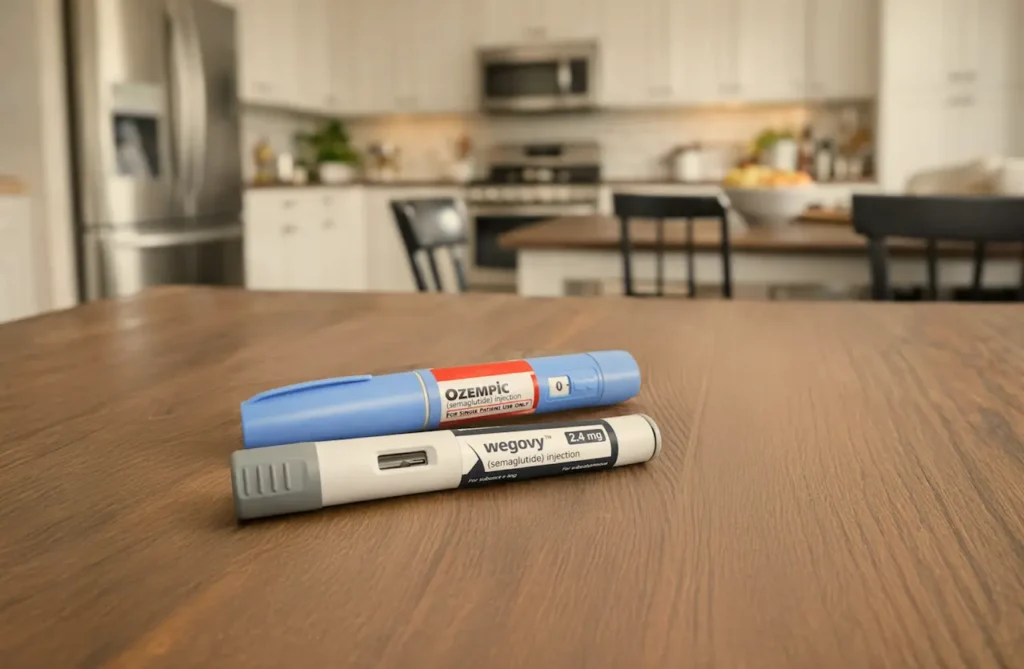
Ozempic and Wegovy share a lot of similarities. Both medications are made by Novo Nordisk. And both contain semaglutide, the active ingredient that helps with weight loss. However, the main difference is what they were approved for. Ozempic came first for managing type 2 diabetes, while Wegovy was developed specifically for weight management and comes in higher doses. Both were also later approved to reduce cardiovascular risk in certain patients.
We’ll dive into more of the particulars around each of these medications, including insurance coverage, costs, results, and more, to help you better understand your options and decide if one is right for you.
The basics of semaglutide
Semaglutide is a medication that acts like a natural hormone called GLP-1. This hormone helps control your appetite, blood sugar, and how full you feel after you eat. Semaglutide helps you lose weight by:
- Affecting the appetite center in your brain, so you think about food less
- Slowing down digestion, which means you feel fuller longer
Both Ozempic and Wegovy work this way. Ozempic is FDA-approved for managing type 2 diabetes, but doctors often prescribe it off-label for weight loss, while Wegovy is specifically approved for weight management.
Is Wegovy or Ozempic better for weight loss?
While both Ozempic and Wegovy have helped people successfully shed pounds, the two medications differ in terms of dosage. This difference matters in terms of weight loss. Ozempic’s highest doses are 1.0 mg and 2.0 mg, while Wegovy goes higher with 1.7 mg and 2.4 mg doses.
Studies on semaglutide and weight loss found:
- People on lower doses (0.25 mg and 0.50 mg) lost an average of 9.2% of their body weight after six months.
- Those on higher doses (1.7 mg and 2.4 mg) lost 12.1%, nearly 3% more.
- After 104 weeks, people on Wegovy’s highest doses lost 15.2% of their body weight.
Here’s how Ozempic and Wegovy stack up side by side:
| Ozempic | Wegovy | |
| Active ingredient | Semaglutide | Semaglutide |
| Approved for | Type 2 diabetesCardiovascular risk reduction in adults with type 2 diabetes and heart diseaseChronic kidney disease management | Chronic weight managementCardiovascular risk reduction in adults with heart disease who are overweight or obese |
| Pen type | 1 per month, multi-use | 4 per month, single-use |
| Administration | Once-weekly subcutaneous injections | Once-weekly subcutaneous injections |
| Available doses | 0.25 mg0.50 mg1.0 mg2.0 mg | 0.25 mg0.50 mg1.7 mg2.4 mg |
| Patients experiencing nausea | About 20% | 44% |
How fast can you expect results?
While both Ozempic and Wegovy can boost weight loss, you might wonder how quickly you can expect to see results. Let’s look at the timelines and see how Ozempic and Wegovy compare.
Ozempic results timeline
Ozempic, while effective for both diabetes and weight loss, is prescribed at a lower dosage than Wegovy (up to 1 mg). As a result, weight loss tends to be more gradual.
Many people report that it takes 3 to 6 months to see significant weight loss on Ozempic. However, the medication’s blood sugar management effects are usually noticeable within the first few weeks, as it stabilizes glucose levels.
Wegovy results timeline
Since Wegovy is specifically designed for weight loss, it tends to work more quickly in that area. Patients on Wegovy may see faster and more dramatic results, particularly because of its higher dosage (up to 2.4 mg). Studies show that patients can lose 15-20% of their body weight over a period of about 6 to 12 months. Most people hit their peak results around 60 to 68 weeks (a little over a year).
You’ll still need to pair the treatment with diet and exercise, but Wegovy offers a more aggressive weight loss option.
Dosage differences
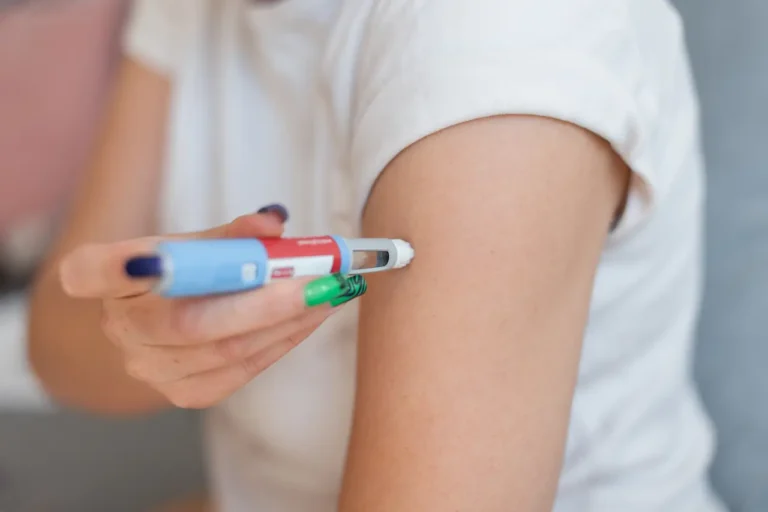
Both Ozempic and Wegovy are once-weekly injections you give yourself using a prefilled pen. If you’re nervous about self-injections, there are also pill versions with semaglutide.
Injectable forms:
- Ozempic: Available in 0.25 mg, 0.5 mg, 1.0 mg, and 2.0 mg doses (multi-use pen)
- Wegovy: Available in 0.25 mg, 0.5 mg, 1.7 mg, and 2.4 mg doses (single-use pen)
Oral forms:
- Rybelsus: Available in 3 mg, 7 mg, and 14 mg doses. It’s approved for type 2 diabetes, but doctors can prescribe it off-label for weight loss.
- Wegovy pill: Available in 1.5 mg, 4 mg, 9 mg, and 25 mg doses. This new pill format was approved by the FDA in December 2025, making it the only GLP-1 designated specifically for weight loss.
The tradeoff for the pills is that they need to be taken on an empty stomach with specific timing. For some people, that’s more hassle than a weekly shot. However, oral versions of the medications can be easier to travel with. It all boils down to what’s most convenient and safe for you, your lifestyle, and goals. A conversation with your provider can help you decide what’s right for you.
What are the side effects like?
Like any medication, both Ozempic and Wegovy come with potential side effects, especially as your body adjusts or your dose increases. Most people find them manageable, and they ease up after the first few weeks.
Here’s a quick comparison of the most common side effects for Ozempic and Wegovy:
| Side Effect | Ozempic | Wegovy |
| Nausea | ✔ | ✔ |
| Upset stomach | ✔ | ✔ |
| Diarrhea | ✔ | ✔ |
| Constipation | ✔ | ✔ |
| Vomiting | ✔ | ✔ |
| Dizziness | ✔ | |
| Feeling bloated | ✔ | |
| Gas or belching | ✔ | |
| Headache | ✔ | |
| Heartburn | ✔ | |
| Tiredness | ✔ | |
| Runny nose or sore throat | ✔ | |
| Stomach flu | ✔ |
Nausea is the most common side effect for both medications and typically hits hardest in the first few weeks before easing up. If you’re dealing with nausea, these tips can help:
- Eat bland foods like crackers, toast, and rice
- Eat more slowly
- Choose watery foods like soups and gelatin
- Drink clear or ice-cold drinks
- Avoid fried, greasy, and sweet foods
- Don’t lie down right after eating
- Get fresh air
Side effects of Ozempic
Because Ozempic is prescribed at a lower dosage, its side effects are often milder and easier to manage. Some common ones include:
- Nausea (especially in the first few weeks)
- Stomach discomfort
- Diarrhea or constipation
- Fatigue
Most side effects fade within the first few weeks as your body adjusts. Around 15% of patients experience nausea on the 0.5 mg dose, while about 20% experience it on a 1.0 mg dose. If you’re using Ozempic for diabetes, you’ll likely see blood sugar improvements within a few weeks, which can make any initial side effects easier to deal with.
Talk to your provider if any of these rare but serious side effects occur:
- Low blood sugar (especially if used with another blood sugar medication like sulfonylurea or insulin)
- Gallbladder problems
- Pancreatitis (inflammation of the pancreas)
- Changes in vision
Side effects of Wegovy
Wegovy’s higher doses can potentially mean that side effects can be more frequent and intense. About 44% of patients experience nausea on the highest dose (2.4 mg). The side effects usually lessen as your body adjusts over the first few weeks, but if yours are making life difficult, ask about adjusting your dose.
Talk to your provider if any of these rare but serious side effects occur:
- Low blood sugar (especially if used with another blood sugar medication)
- Gallbladder problems
- Pancreatitis (inflammation of the pancreas)
- Changes in vision
- Depression or suicidal thoughts
Ozempic vs. Wegovy costs
If you’re thinking about talking to your provider about using GLP-1s for weight loss, there’s some good news on the cost front. Both Ozempic and Wegovy are now significantly cheaper because Novo Nordisk lowered their cash-pay prices. The cost you’ll actually pay varies depending on which pharmacy you use, what discounts you apply, if your insurance covers the medication, and your dosage. You can often find savings through discount cards or manufacturer coupons.
If you’re new to Ozempic or Wegovy, Novo Nordisk sometimes offers a deal for self-pay patients. Currently, they’re offering patients their medication at $199 for the first two months, then $349 monthly for the lower doses (0.25 mg or 0.50 mg). For up-to-date information on discounts be sure to check the Ozempic or Wegovy websites.
If you’re thinking about making GLP-1s part of your weight loss program, QuickMD can help. Our providers offer same-day virtual visits from the comfort and privacy of your own home. If you and your provider decide on a particular medication, we’ll send your prescription to your pharmacy of choice for you to pick up. This gives you the option to choose the most affordable cash-pay option for your needs.
With Ozempic and Wegovy, it’s worth shopping around for a pharmacy that offers you the best price. You could save hundreds per month, which is a big deal when you might be on this medication for a while. For more ways to save, check out our guides on how much Ozempic costs and Wegovy pricing.
Here’s what you might pay per month without insurance, depending on which pharmacy you use and what discounts you apply:
| Store | Ozempic (0.25 to 2 mg/dose) | Wegovy(0.25 to 2.4 mg/dose) |
| Costco | $349 to $499 | $349 to $499 |
| CVS | $1,000 | $1,400 |
| Walgreens | $1,000 | $1,400 |
| Walmart | $825 | $1,225 |
| NovoCare(direct-to-patient, self-pay) | $349 to $499 | $349 to $499 |
Accessibility and insurance coverage: which is easier to get?
One of the biggest considerations for patients is accessibility—not just in terms of availability but also insurance coverage and affordability. Here’s how Ozempic and Wegovy compare in these areas.
Ozempic: more likely to be covered for diabetes patients
Because Ozempic is FDA-approved for type 2 diabetes and reducing cardiovascular risk in people with diabetes and heart disease, it’s often covered by Medicare, Medicaid, and private insurance if you have any of these conditions. However, patients seeking Ozempic specifically for weight loss may face challenges with insurance, as it is not officially approved for that use.
Wegovy: more coverage for weight loss and certain health conditions
Wegovy is FDA-approved for weight management, so insurance is more likely to cover it if your primary goal is weight loss. It’s also approved to help prevent life-threatening cardiovascular events, like heart attacks and strokes, in people with obesity and existing heart disease. This can also make coverage easier if you’re at high cardiovascular risk.
What about compounded semaglutide?
Due to previous Ozempic and Wegovy shortages, one of the workarounds was to prescribe compounded semaglutide, which is a custom-made version of the active ingredient in these medications. These custom-made versions came from specialized pharmacies, but were not FDA-approved like the brand-name medications.
Now that the shortage is over, the FDA has directed most pharmacies to stop making them. However, doctors can still prescribe compounded versions in specific situations, like if you’re allergic to an inactive ingredient in Ozempic or Wegovy, or if you need a dose that isn’t commercially available.
How to get Ozempic and Wegovy
To get a prescription for either medication, you’ll need to see a healthcare provider who can evaluate whether you’re a good candidate based on your health history, current medications, and weight loss goals. This can be done in person with your regular doctor or through a convenient telemedicine visit.
Here at QuickMD, we offer same-day online visits with licensed providers who are there to understand and support your goals. If you and your provider decide that Ozempic or Wegovy is a good fit, we’ll send your prescription directly to the pharmacy of your choice. And if it turns out that these medications aren’t right for you, we can help you explore other options that might be a better fit.
Is Wegovy or Ozempic right for you?
The decision between Ozempic and Wegovy ultimately depends on your long-term health goals and what you’re looking to achieve:
- If you’re focused on weight loss and maintaining those results over time, Wegovy may be the better choice due to its higher dosage and FDA approval for weight management.
- If you need a long-term solution for managing diabetes and weight simultaneously, Ozempic offers a comprehensive approach that tackles both blood sugar control and weight reduction.
Book a visit with QuickMD to get help with your weight loss goals
If you’re trying to decide whether Ozempic or Wegovy is right for you, you don’t have to figure it out alone. We’re here to help. Chat one-on-one with a provider who can help you take charge of your health.
At QuickMD, we believe your weight loss journey should be personal, private, and pressure-free. We offer same-day visits with licensed providers who are there to listen to your goals and help you carve out a plan that’s sustainable and unique to you. No insurance is required. And if you and your provider decide medications are appropriate, we’ll send your prescription to your pharmacy of choice and support you at every step.
Disclaimer
Articles on this website are meant for educational purposes only and are not intended to replace professional medical advice, diagnosis or treatment. Do not delay care because of the content on this site. If you think you are experiencing a medical emergency, please call your doctor immediately or call 911 (if within the United States). This blog and its content are the intellectual property of QuickMD LLC and may not be copied or used without permission.
References
Kommu, S., Whitfield, P. (2024). Semaglutide. PubMed. https://www.ncbi.nlm.nih.gov/books/NBK603723/
Garvey, W.T., Batterham, R.L., Bhatta, M., et al. (2022). Two-year effects of semaglutide in adults with overweight or obesity: The STEP 5 trial. Nature Medicine. 2022;28(10):2083-2091. doi:https://doi.org/10.1038/s41591-022-02026-4
Ghusn, W., De la Rosa, A., Sacoto, D., et al. (2022). Weight Loss Outcomes Associated With Semaglutide Treatment for Patients With Overweight or Obesity. JAMA Network Open. 2022;5(9):e2231982. doi:https://doi.org/10.1001/jamanetworkopen.2022.31982
Ozempic 0.25 or 0.5 MGDOSE – Member Prescription Program Prices. (2025). Costco. https://www.costco.com/cmpps?drugIdentifierParam=55614968767&drugNameParam=Ozempic+0.25+or+0.5+MGDOSE
Wegovy – Member Prescription Program Prices. (2025). Costco. https://www.costco.com/cmpps?drugIdentifierParam=55614906269&drugNameParam=Wegovy
Ozempic (1 MG Dose), Ozempic (2 MG Dose), Ozempic (0.25 or 0.5 MG Dose), Rybelsus. (2025). Optum. . https://perks.optum.com/drug/ozempic-1-mg-dose?brand=ozempic-1-mg-dose&form=Solution+Pen-injector&dosage=1%3A3ml+of+4mg%2F3ml%3A3ml+of+4mg%2F3ml&quantity=3
Wegovy. (2025). Optum. https://perks.optum.com/drug/wegovy?brand=wegovy&form=Solution+Auto-injector&dosage=4%3A+Pen+x+0.75ml+of+2.4mg%2F0.75ml%3A4+Pen+x+0.75ml+of+2.4mg%2F0.75ml&quantity=3
Save on Ozempic® | Ozempic® (semaglutide) injection 0.5 mg or 1 mg. (2025). Ozempic. https://www.ozempic.com/savings-and-resources/save-on-ozempic.html
Wegovy® (semaglutide) injection 2.4 mg Savings Offer & Support Program | NovoCare®. (2025). Novocare. https://www.novocare.com/obesity/products/wegovy/savings-offer.html?src=100002016
Cunningham, M. (2025). Costco now sells Ozempic and Wegovy at its pharmacies. CBS News. https://www.cbsnews.com/news/costco-ozempic-wegovy-pharmacies-weight-loss/
Yu, Y. (2025). FDA approves Wegovy pill for weight loss: What to know. ABC News. https://abcnews.go.com/GMA/Wellness/fda-approves-wegovy-pill-weight-loss/story?id=128644712
Wilding, J.P.H., Batterham, R.L., Calanna, S. (2021). Once-Weekly Semaglutide in Adults with Overweight or Obesity. The New England Journal of Medicine. 2021;384(11):989-1002. doi:https://doi.org/10.1056/NEJMoa2032183
Ozempic® Side Effects | Ozempic® (semaglutide) injection 0.5 mg or 1 mg. (2023). Ozempic. https://www.ozempic.com/how-to-take/side-effects.html
Wegovy® Side Effects | Wegovy® (semaglutide) Injection 2.4 mg. (2025). Wegovy. https://www.wegovy.com/taking-wegovy/side-effects.html
Ozempic (Semaglutide). Prescribing Information. (2025). Novo Nordisk. https://www.novo-pi.com/ozempic.pdf
Wegovy (Semaglutide). (2025). Prescribing Information. Novo Nordisk. https://www.novo-pi.com/wegovy.pdf
Billingsley, A. (2025). Are Compounded GLP-1s Going Away? Not Entirely. GoodRx. https://www.goodrx.com/classes/glp-1-agonists/compounded-glp-1-going-away
Pearce, K. (2024). The Ozempic shortage is over. What now? George Mason University. https://www.gmu.edu/news/2025-04/ozempic-shortage-over-what-now
QuickMD has strict referencing policies and relies on reputable sources, including peer-reviewed research, clinical guidelines, medical organizations, and government and public health agencies, among others. Learn more about how we ensure accuracy in our content by reading our editorial guidelines.