What you’ll learn
We’ll walk you through what happens when Suboxone and alcohol are combined, what to watch for if you’ve mixed the two, and practical steps you can take to ensure your safety moving forward.
Picture it: You’re at a gathering and didn’t realize the drink your friend handed you contained alcohol. If you’re taking Suboxone® as part of your Medication-Assisted Treatment program and accidentally mix it with alcohol, it’s completely normal to feel worried.
But before you panic, there are some steps you can take to handle the situation safely. While mixing Suboxone with alcohol isn’t recommended due to potential risks, accidents happen. Understanding what to do next can make all the difference.
Let’s figure this out together.
What to do if you drink alcohol while on Suboxone
If you realize you’ve accidentally consumed alcohol while taking Suboxone, here’s what to do:
1. Monitor your symptoms
Pay close attention to how your body feels. Everyone reacts differently, so it’s important to watch for signs of a negative interaction.
Watch out for the following signs:
- Extreme drowsiness or difficulty staying awake.
- Slow, shallow, or irregular breathing.
- Confusion, dizziness, or feeling “out of it.”
- Nausea or vomiting.
For example, if you had a glass of wine at dinner without realizing that it could interact with Suboxone, and you feel slightly more tired than usual but are otherwise fine, you likely don’t need immediate medical attention. However, if you notice yourself nodding off uncontrollably or struggling to catch your breath, it’s time to act fast. Call 911 or visit the nearest hospital emergency room.
2. Stay in a safe environment
If you’ve consumed alcohol, avoid doing anything that could put you in danger.
- Don’t drive: Alcohol combined with Suboxone can impair your coordination and reaction times.
- Avoid being alone: If possible, stay with someone you trust who can help monitor your condition.
3. Hydrate and rest
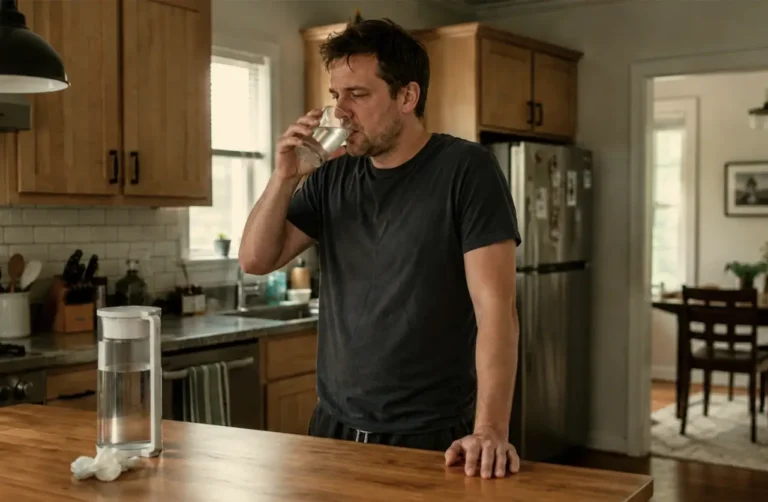
For instance, if you accidentally had a beer at a social gathering, call for a ride home, drink some water, and give your body time to recover. Drinking plenty of water can help your body metabolize the alcohol and stay hydrated. Lie down or sit in a comfortable, safe place to rest and avoid overexerting yourself.
4. Call a doctor if symptoms escalate
If you experience serious symptoms, such as difficulty breathing, confusion, or passing out, seek medical help immediately. Call 911 or head to the nearest emergency room right away.
If you notice any of the following signs, seek medical attention immediately:
- Your breathing feels slow, shallow, or labored.
- You feel extremely drowsy and can’t stay awake.
- You experience chest pain, seizures, or extreme confusion.
Don’t hesitate to reach out for help. Medical clinicians are there to support you, not judge you.
Are you able to drink alcohol on Suboxone?
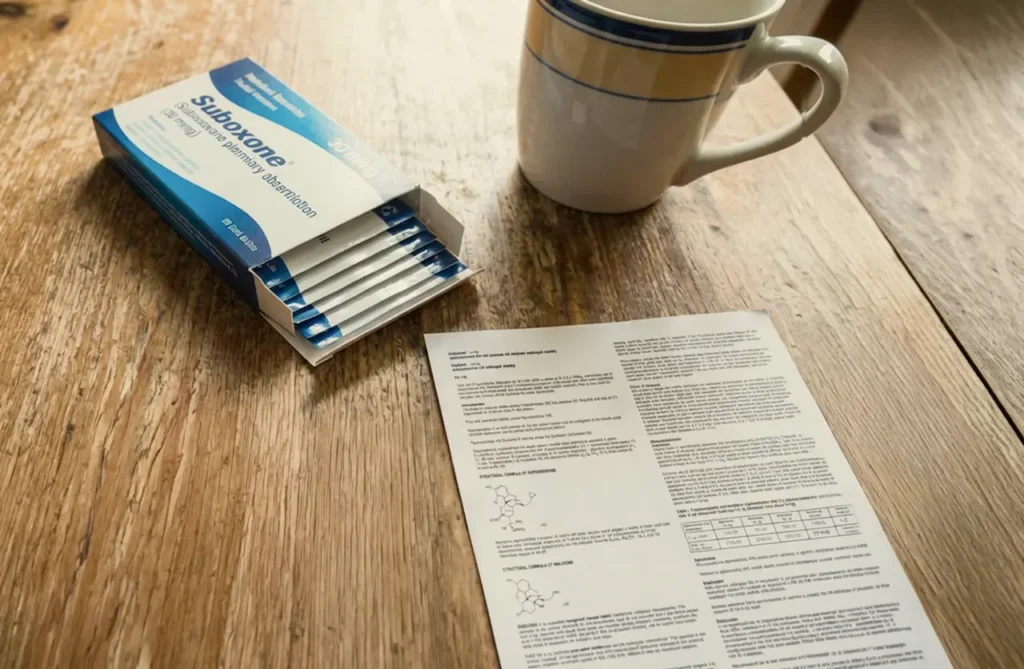
No, doctors and the FDA strongly advise against drinking alcohol while taking Suboxone, even in small amounts. The manufacturer specifically warns about this interaction in Suboxone’s prescribing information, noting that combining it with alcohol increases the risk of life-threatening respiratory depression.
How does Suboxone interact with alcohol?
When Suboxone and alcohol are combined, this mixture can depress your central nervous system (CNS). This means they work together to slow down essential functions like breathing, heart rate, and alertness. When combined, Suboxone and alcohol can potentially lead to dangerous complications like respiratory depression, which can increase the risk of coma or overdose.
What happens if you drink alcohol while taking Suboxone?
Suboxone should never be combined with even small amounts of alcohol. When you mix Suboxone with alcohol, the combined effects can be dangerous. Here’s what to watch for:
- Extreme drowsiness or sedation: Both substances have sedative effects, and together they can make you feel extremely tired or unable to stay awake. You might find yourself nodding off unexpectedly, even in situations where you need to stay alert.
- Slowed or difficult breathing: This is one of the most serious risks. Both alcohol and Suboxone can slow your breathing rate; when combined, this effect can become dangerously pronounced. You might notice your breathing feels shallow, or you’re taking fewer breaths per minute than normal.
- Impaired coordination and judgment: You might feel unsteady on your feet, have trouble walking a straight line, or find simple tasks more challenging than usual. This happens because both substances affect your brain’s ability to coordinate movements and make clear decisions.
- Confusion or disorientation: You might feel out of it, have trouble concentrating, or your memory might feel fuzzy. This occurs because both substances affect cognitive function.
- Nausea or vomiting: Your digestive system can become upset, leading to stomach discomfort or vomiting.
- Increased risk of overdose: Because both substances depress your central nervous system, combining them increases the risk of overdose even with lower doses of each substance.
How to avoid accidental alcohol use while on Suboxone
Accidents happen, but there are steps you can take to prevent similar situations in the future:
1. Double-check ingredients
Alcohol can sneak into products you might not expect, so read labels carefully.
- Avoid hidden sources: Some mouthwashes, cough syrups, or over-the-counter medications contain alcohol. Look for alcohol-free alternatives when possible.
- Ask about ingredients: If you’re at a social gathering or restaurant, don’t hesitate to ask if a dish contains alcohol, especially sauces or desserts like tiramisu.
2. Be mindful in social settings
If you’re attending an event where alcohol is present, it’s easy to accidentally take a sip without thinking.
- Stick to non-alcoholic options: Bring your own beverage, or ask for soda, sparkling water, or mocktails.
- Politely decline: Practice saying, “No, thank you,” to any offered drinks, and don’t be afraid to set boundaries.
3. Communicate with your support system
Let your friends, family, or recovery group know that you’re on Suboxone and avoiding alcohol. The more people who understand your sobriety goals, the easier it will be to steer clear of unintentional alcohol consumption.
4. Talk to your doctor
If you’re unsure about how alcohol interacts with Suboxone or have questions about your treatment plan, schedule a conversation with your QuickMD doctor. They can give you personalized advice and help you feel more confident about staying safe.
QuickMD is here to help, whenever you need it
Accidentally mixing alcohol and Suboxone can feel scary, but with the right steps, you can stay safe and avoid serious complications. By staying informed, leaning on your support system, and working with your doctor, you’re giving yourself the best possible chance for long-term success.
At QuickMD, we’re here to support you every step of the way. Our doctors offer same-day telemedicine appointments to help you navigate questions about Suboxone, alcohol, and your treatment plan. You can speak with them anytime about any concerns or side effects, and get personalized advice for staying safe while on Suboxone. We’re here for you with judgment-free, compassionate care from the comfort of your home when you need it most.
Share this article with your friends, family, or anyone you know who might be taking Suboxone. Together, we can help prevent accidental alcohol use and promote a safer recovery.
Frequently asked questions and alcohol and Suboxone
Does Suboxone help with alcohol withdrawal?
While Suboxone contains buprenorphine, which has shown some promise in early research for reducing alcohol consumption, it’s important to know that Suboxone is not FDA-approved for treating alcohol use disorder (AUD). Some studies have explored buprenorphine’s potential effects on alcohol cravings, but current evidence just isn’t strong enough for official approval. The primary purpose of Suboxone remains treating opioid use disorder (OUD). If you’re battling both opioid and alcohol dependence, talk with your QuickMD doctor about comprehensive treatment options that address both concerns safely.
Does Suboxone block the effects of alcohol?
No, Suboxone doesn’t block alcohol’s effects. In fact, the opposite is true. Alcohol can actually enhance some of Suboxone’s effects, particularly the sedative ones. They don’t cancel each other out. Instead, they can dangerously amplify each other’s depressant effects.
Suboxone itself is highly regarded by medical professionals as safe for treating OUD, but should never be combined with even small amounts of alcohol. Suboxone works on opioid receptors in your brain, while alcohol affects different neurotransmitter systems. According to the FDA and Suboxone’s prescribing information, when both substances are combined, they can depress the central nervous system and create dangerous levels of sedation and respiratory depression.
How long after drinking alcohol can I take Suboxone?
There’s no definite safe waiting period after drinking alcohol before taking Suboxone, as alcohol metabolism varies greatly between individuals. However, medical guidelines generally recommend waiting until all alcohol has cleared your system. Since alcohol can stay in your system for several hours (approximately one hour per standard drink to metabolize), it’s safest to wait at least 24 hours after your last drink before taking your Suboxone dose. The FDA warns against combining these substances at all, so the safest approach is to avoid alcohol entirely while on Suboxone treatment.
How long after taking Suboxone can I drink alcohol?
There’s no established safe waiting period after taking Suboxone before drinking alcohol. The FDA and medical professionals alike consistently advise against combining these substances at any time. FDA prescribing information clearly states that using Suboxone and alcohol together increases risk of respiratory depression, coma, or overdose. So, the recommended approach is to avoid alcohol entirely during Suboxone treatment.
Disclaimer
Articles on this website are meant for educational purposes only and are not intended to replace professional medical advice, diagnosis or treatment. Do not delay care because of the content on this site. If you think you are experiencing a medical emergency, please call your doctor immediately or call 911 (if within the United States). This blog and its content are the intellectual property of QuickMD LLC and may not be copied or used without permission.
References
FDA. (2012). Medication Guide: Suboxone. https://www.accessdata.fda.gov/drugsatfda_docs/label/2012/022410s006s007mg.pdf
Suboxone/Indivior. (2025). Indication and Important Safety Information. https://www.suboxone.com/
Bicycle Health. (2026). Suboxone and Alcohol: How Do They Interact? https://www.bicyclehealth.com/suboxone-faq/how-does-suboxone-interact-with-alcohol
Dematteis, M., Pennel, L., Toquero, C., Maillebuau, M., Martin-Gatignol, V. (2018). High-dose buprenorphine: a last resort drug for treatment-resistant alcohol use disorder. Preliminary results of a compassionate observational pilot study. French Journal of Psychiatry. Volume 1, Supplement, November 2018, Pages S126-S127. https://www.sciencedirect.com/science/article/abs/pii/S2590241519303411
California Department of Alcoholic Beverage Control. (2026.) Alcohol Facts. https://www.abc.ca.gov/education/licensee-education/alcohol-facts/
QuickMD has strict referencing policies and relies on reputable sources, including peer-reviewed research, clinical guidelines, medical organizations, and government and public health agencies, among others. Learn more about how we ensure accuracy in our content by reading our editorial guidelines.