What you’ll learn
If you’re still dealing with restless legs and sleeplessness during recovery, we’ll help you understand why this can happen, as well as share some tips to help with symptoms like anxiety, sleep trouble, and nerve discomfort. We’ll also cover why working closely with your QuickMD doctor matters when adding a new medication to your routine.
Restlessness during recovery looks different from person to person. For some, it’s full-on restless legs syndrome (RLS), which is a crawling, pulling sensation that makes lying still feel almost impossible. For others, it’s more of a general agitation, an inability to get comfortable, or anxiety that won’t quiet down at night. All of it connects back to your nervous system still learning to function without opioids even well into treatment.
What is restless legs syndrome (RLS)?
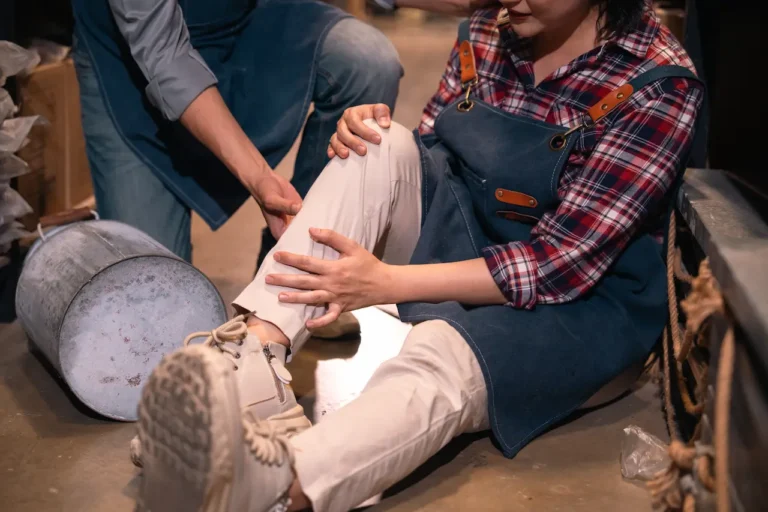
If you’ve ever been lying in bed and felt a deep, creeping urge to move your legs, like something crawling under your skin or a buzzing that won’t quit, that’s restless legs syndrome (RLS). RLS is a neurological condition that creates uncomfortable sensations in your legs, usually when you’re sitting still or trying to sleep. Moving helps temporarily, but the relief doesn’t last, and the cycle can keep you up for hours.
Restlessness is one of the more common symptoms tied to opioid use disorder. It can sometimes linger long after the acute withdrawal phase has passed. Even in stable, long-term MAT, some people still notice these feelings, particularly at night. That’s not unusual, and it doesn’t mean your treatment isn’t working. Your brain and nervous system are still healing after opioid use, and RLS is one way that plays out.
Why does restlessness happen during opioid recovery?
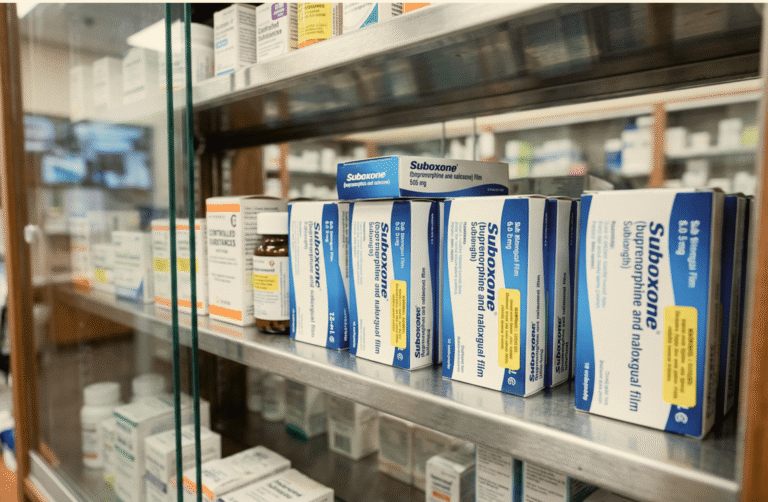
Even when Suboxone has your cravings under control and you’re stable on your dose, your body is still doing important healing work. Restlessness, especially the “can’t sit still” feeling in the legs, is a common part of that process, even when you’re doing everything right.
In fact, research shows that buprenorphine (the active medication in Suboxone) actually has opioid receptor activity that can reduce RLS symptoms for many people. This is why Suboxone often helps with restlessness during early recovery. (We’ll get into why you might still experience RLS as recovery progresses, too!) But first, here are some of the reasons why you might experience restlessness:
- Your nervous system is recalibrating. Opioids suppress your nervous system. Even when you’ve attuned to functioning without them, your body can overcorrect and “run hot” for a while. This creates that jittery, restless energy.
- Your brain’s reward system is adjusting. Opioids flood your brain with dopamine. Even well into your recovery, your brain is relearning how to regulate that process on its own. While it catches up, you might feel restless or agitated.
- Your nerve signals are firing harder than usual. During this adjustment period, your brain may send intense signals to your body. This can cause twitching, crawling sensations, or that deep urge to move your legs.
- Your sleep cycles are shifting. Opioid use disrupts your body’s natural sleep rhythms, and those don’t reset overnight. As your sleep patterns stabilize, restlessness can be worse at night, right when you’re trying to wind down.
- Your anxiety is showing up physically. Recovery comes with a lot of emotional weight. Those feelings don’t just stay in your head. They can amp up physical restlessness, keeping your body wired even when you’re trying to rest.
So, why might you still have restless legs, even after having stabilized on Suboxone? There are a few possibilities:
- Individual differences. Everyone’s recovery journey is different. And everyone’s nervous system responds differently to medication. Staying in touch with your QuickMD doctor about how you’re feeling can help with adjusting your dosage, or they can recommend options to help with restlessness.
- Timing. Restlessness might be more noticeable at certain times of day or night. At night, when your room is quiet and there are fewer distractions, you might be more aware of RLS symptoms.
- Other factors. Stress, caffeine, nutritional deficiencies, dehydration, or other medications you take might trigger symptoms.
- Healing takes time. Even while you’re taking Suboxone as part of an MAT program, some symptoms can persist as your body continues to heal.
- Iron deficiency. It may sound like too simple a reason, but iron deficiency is the top cause of RLS. Before recovery, you might not have prioritized self-care and nutrition. Research shows a link between OUD and anemia, a condition where blood lacks important minerals like iron. Even well into recovery, when you’re taking charge of your health and nutrition, your body may still lack the right amounts of iron that trigger RLS symptoms.
The fact that you’re still experiencing restlessness doesn’t mean that Suboxone isn’t working. It just means that your body might need additional support as it continues to heal. Many people in recovery find that speaking with their doctor about options can help address these lingering symptoms while their nervous system continues to adjust.
Understanding treatment options for restless legs in OUD
When it comes to managing RLS alongside your recovery, some treatments that work well for many people aren’t always the right fit, especially if you’re taking Suboxone.
Why certain medications aren’t part of the plan
You may have heard about the benefits of gabapentin or pregabalin for treating RLS. These medications are part of a class called gabapentinoids, which work by calming overactive nerve signals that can cause restless legs. For many people without OUD, they can be effective first-choice options. However, for people taking Suboxone as part of their MAT recovery program, they can actually pose serious safety concerns.
When taken with buprenorphine, these medications can have a dangerous reaction that increases the risk of sedation and respiratory depression, slowing breathing to dangerous levels. This combination increases the risk of overdose, even when taken as prescribed.
Gabapentin and pregabalin can produce feelings of euphoria and intoxication, especially when taken in higher doses than prescribed or when combined with other substances. For people in recovery, this can pose a risk of triggering relapse.
It’s important to understand that RLS and OUD are separate conditions that both deserve proper care. Your MAT with Suboxone should continue exactly as your QuickMD doctor has prescribed. In fact, changing your dose to manage RLS has not been shown to help restlessness. Stopping or reducing buprenorphine isn’t safe or recommended for treating restless legs, which is why it’s important to let your QuickMD doctor know how you’re feeling. They can help you find the right solution to help you manage your RLS symptoms.
Next, we’ll walk you through some other ways to help calm RLS, including lifestyle changes, relaxation techniques, supplements, and even some new therapies that are offering promising results without medication.
Ways to manage restlessness during recovery
Getting a good night’s sleep can help you feel more refreshed and stay focused on sticking to the healthy habits and routines you’ve built during recovery. While these strategies won’t entirely cure restlessness, they can help calm things down, especially alongside your treatment. If you’re thinking about adding supplements, herbs, or anything over the counter, check with your QuickMD doctor first so nothing interferes with your current meds.
- Wind down before bed. Keep a consistent wake-up time, dim the lights an hour before bed, and try to avoid scrolling in bed. If you’re lying there and sleep isn’t coming, get up, do something calm in low light, and try again when you feel drowsy.
- Use gentle movement as a reset. A short walk, light stretching, or a few minutes of yoga can calm that jittery energy. Some people find this helps most in the evening, when restlessness tends to ramp up.
- Stay hydrated and eat regularly. Dehydration, skipped meals, and too much caffeine can all make restlessness worse. Water throughout the day and regular meals with some protein can make a noticeable difference.
- Try heat or cold on your legs. A warm shower, heating pad, bath, or cool rinse. You’re not fixing the root cause, just giving your body a signal to downshift. Experiment and see what your legs respond to.
- Use a simple breathing exercise when anxiety kicks in. Inhale for 4 seconds, hold for 7, and exhale for 8. Then repeat for 2 to 3 minutes. Keep it slow and gentle. This activates your body’s built-in calm-down system, which can quiet both the mental and physical side of restlessness.
- Try a topical cream or balm before bed. Something like Icy Hot or Tiger Balm on your calves or thighs can help. Cooling ingredients like menthol create a tingling sensation that distracts from that crawling feeling and can help your muscles relax.
- Consider magnesium and vitamin B6 for leg restlessness. People commonly try these for restless legs, and they do help some people when they have a deficiency. But they can also cause side effects or interact with your medications, so don’t start without running it by your QuickMD doctor.
- Get tested for iron deficiency. Iron deficiency is a key cause of RLS and can be easily treated with iron supplements or infusions, especially if your levels aren’t low enough to take supplements. Getting a simple blood test to check your iron levels can help you find out if this is a cause of your RLS. If appropriate, your doctor can recommend iron pills or even an IV infusion that you can get at a clinic to help you start feeling better.
- Log your restlessness patterns for a week. Write down when it hits (day vs. night), what you had that day (caffeine, sugar), and what helped. Even a few days of notes gives you and your doctor something concrete to work with at your next visit.
- Explore device-related treatments. New device therapies have been developed and have been shown to successfully treat RLS without medication. An FDA-approved peritoneal nerve stimulation device can be worn for 30-60 minutes, delivering gentle electrical pulses to the nerves in your lower legs. Clinical studies showed that 45% of people who used the device showed significant improvement. Best of all, it’s safe to use alongside Suboxone. Ask your QuickMD doctor if this device might be right for you.
If restlessness is keeping you from sleeping, making you feel panicky, or making you want to adjust your meds on your own, your QuickMD doctor can help you figure out a better plan.
How we can help you manage restlessness during recovery
If you’ve been losing sleep to restless legs, or just can’t get comfortable no matter what you try, bring it up at your next visit. Your QuickMD doctor can help you determine your next steps. They can also help you dial in on things like sleep habits, movement, and supplements to round out your treatment.
Disclaimer
Articles on this website are meant for educational purposes only and are not intended to replace professional medical advice, diagnosis or treatment. Do not delay care because of the content on this site. If you think you are experiencing a medical emergency, please call your doctor immediately or call 911 (if within the United States). This blog and its content are the intellectual property of QuickMD LLC and may not be copied or used without permission.
References
Drugs.com. (2026). Gabapentin + suboxone: can you take them together? https://www.drugs.com/drug-interactions/gabapentin-with-suboxone-1147-0-439-2040.html
Langstengel, J., Yaggi, H.K. (2022). Sleep deficiency and opioid use disorder. Clinics in Chest Medicine. 2022;43(2):e1-e14. https://pmc.ncbi.nlm.nih.gov/articles/PMC10018646/
Sherfinski, E., Chaudhary, H, Tashman, Y. (2025). Buprenorphine-Naloxone for the Treatment of Medically Refractory Restless Legs Syndrome: A Case Series. Sleep, Volume 48, Issue Supplement_1, May 2025, Page A610, https://doi.org/10.1093/sleep/zsaf090.1420. Oxford Academic. https://academic.oup.com/sleep/article/48/Supplement_1/A610/8135039
Mayo Clinic. (2025). Restless legs syndrome.
Sergi Ferré, S., Winkelman, J.W., García-Borreguero, D., Belcher, A.M., Chang, J.H., Earley, C.J. (2024). Restless legs syndrome, neuroleptic-induced akathisia, and opioid-withdrawal restlessness: shared neuronal mechanisms? Sleep. 2023;47(3). https://academic.oup.com/sleep/article/47/3/zsad273/7326719
Waisman Method. (2025). Managing Restless Legs Syndrome After Opioid Detox. https://www.opiates.com/opiates-blog/restless-leg-syndrome-opioid-detox
Ne?matjon S. Mamasoliev, Burxonjon U. Usmono, Xatam. X. Tursunov. (2020). Iron Deficiency Anemia and Drug Addiction: Regional Problems and Ways of Solution. Global Journal of Medical Research, Jan. 2020. https://medicalresearchjournal.org/index.php/GJMR/article/view/2340/1-Iron-Deficiency-Anemia-and-Drug-Addiction_JATS_NLM_xml
Cleveland Clinic. (2021). Gabapentin. https://my.clevelandclinic.org/health/drugs/21561-gabapentin
Drugs.com. (2025). Can You Take Buprenorphine with Gabapentin? https://www.drugs.com/drug-interactions/buprenorphine-with-gabapentin-438-0-1147-0.html
FDA. (2023). FDA News Release – FDA Roundup: April 18, 2023. https://www.fda.gov/news-events/press-announcements/fda-roundup-april-18-2023
Bogan, R., Roy, A., Kram, J., et al. (2023). Efficacy and safety of tonic motor activation (TOMAC) for medication-refractory restless legs syndrome: a randomized clinical trial. Sleep. 2023 Jul 17;46(10):zsad190. https://pmc.ncbi.nlm.nih.gov/articles/PMC10566236/
Wipper, B., Cooke, M.P., Winkelman, J.W. (2023). Prevalence of current restless legs syndrome symptoms among patients treated with buprenorphine/naloxone for opioid use disorder. Nature and Science of Sleep. 2023;15:851-859. https://pubmed.ncbi.nlm.nih.gov/37886689/
Cleveland Clinic. (2022). How to do the 4-7-8 breathing exercise. https://health.clevelandclinic.org/4-7-8-breathing
Jadidi, A., et al. (2022). Therapeutic effects of magnesium and vitamin B6 in alleviating the symptoms of restless legs syndrome: a randomized controlled clinical trial. BMC Complementary Medicine and Therapies. 2022;23(1). https://pmc.ncbi.nlm.nih.gov/articles/PMC9804944/
QuickMD has strict referencing policies and relies on reputable sources, including peer-reviewed research, clinical guidelines, medical organizations, and government and public health agencies, among others. Learn more about how we ensure accuracy in our content by reading our editorial guidelines.