What you’ll learn
You’ll get a clear breakdown of how GLP-1 medications work, which ones are available, and practical insight into what to expect in terms of benefits and side effects.
If you’ve been trying to lose weight, you’ve probably heard about GLP-1 medications. Originally developed to treat Type 2 diabetes, these medications have made headlines for their remarkable ability to help people shed stubborn pounds and feel more in control of their health. And now, several are officially approved just for weight management.
The acronym “GLP” stands for glucagon-like peptide, a hormone your body naturally makes to help manage blood sugar and signal fullness after eating. GLP-1 medications (also called GLP-1 receptor agonists) work by mimicking this hormone. Think of them as gentle helpers that nudge your body’s natural systems to do what they already know how to do, just a little more effectively.
You might recognize brand names like Ozempic®, Wegovy®, or Mounjaro®. These aren’t “miracle drugs,” but for many people living with Type 2 diabetes or trying to lose weight, they’ve been life-changing and have made it easier to reach health goals that once felt out of reach.
How do GLP-1 medications work?
In simple terms, GLP-1 medications help your body feel full sooner, stay full longer, and manage blood sugar more effectively.
GLP-1 medications attach to specific receptors in your brain and pancreas, the same way that your natural GLP-1 hormones would. Once there, they do several key things:
- Regulate insulin production and release. Your pancreas makes a hormone called insulin, which is essential for regulating blood sugar levels. GLP-1 medications stimulate the pancreas to release more insulin, which helps decrease blood glucose. After you eat, your blood sugar rises. GLP-1 meds help your pancreas release just the right amount of insulin to bring it back down, but only when necessary to help prevent dangerous lows.
- Regulate hunger and appetite. Ever eat a meal and still feel like snacking five minutes later? GLP-1s help your brain recognize fullness faster, so cravings and mindless eating ease up over time. GLP-1s increase your sense of satiety, or how full (satiated) you feel after you eat, causing hunger and appetite to decrease.
- Slow down digestion slightly. GLP-1 medications slow down digestion and gastric (stomach) emptying, which keeps you feeling full longer while helping manage blood sugar levels. This gives your body more time to process food, stabilize blood sugar, and feel satisfied.
- Keep glucagon in check. Glucagon is another hormone that raises blood sugar. GLP-1 medications help block its release when it’s not needed, creating a smoother metabolic balance.
Some GLP-1 agonists also target an additional set of receptors called glucose-dependent insulinotropic polypeptide (GIP) receptors. These medications are known as dual GIP/GLP-1 receptor agonists. Studies show that dual GIP/GLP-1 medications can help people effectively lose weight, control blood sugar, and improve heart health.
What’s the difference between GLP-1 and GLP-1 receptor agonists?
Although they function similarly, GLP-1 and GLP-1 receptor agonists (also called “GLP-1 agonists”) are two different things:
- GLP-1 is the hormone your body makes on its own.
- GLP-1 receptor agonists (like Ozempic, Wegovy, and Rybelsus, which all contain the active ingredient semaglutide) are medications that mimic what natural GLP-1 does, helping support your body when it needs a little extra help.
Although the medications are often casually referred to as GLP-1s, it’s just a common shorthand that describes how they work similarly to the body’s own natural GLP-1s. Rather, the medication doesn’t take over. It just enhances the healthy processes already built into you.
What GLP-1s are available?
Several GLP-1 medications are available, including:
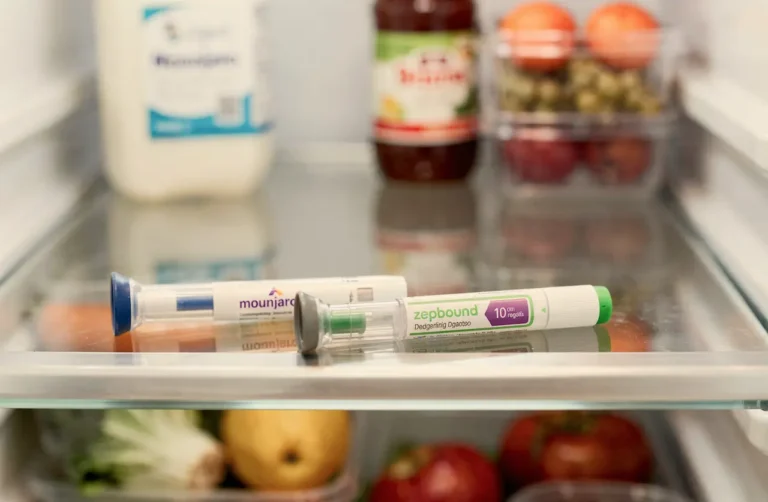
- Mounjaro® (tirzepatide)
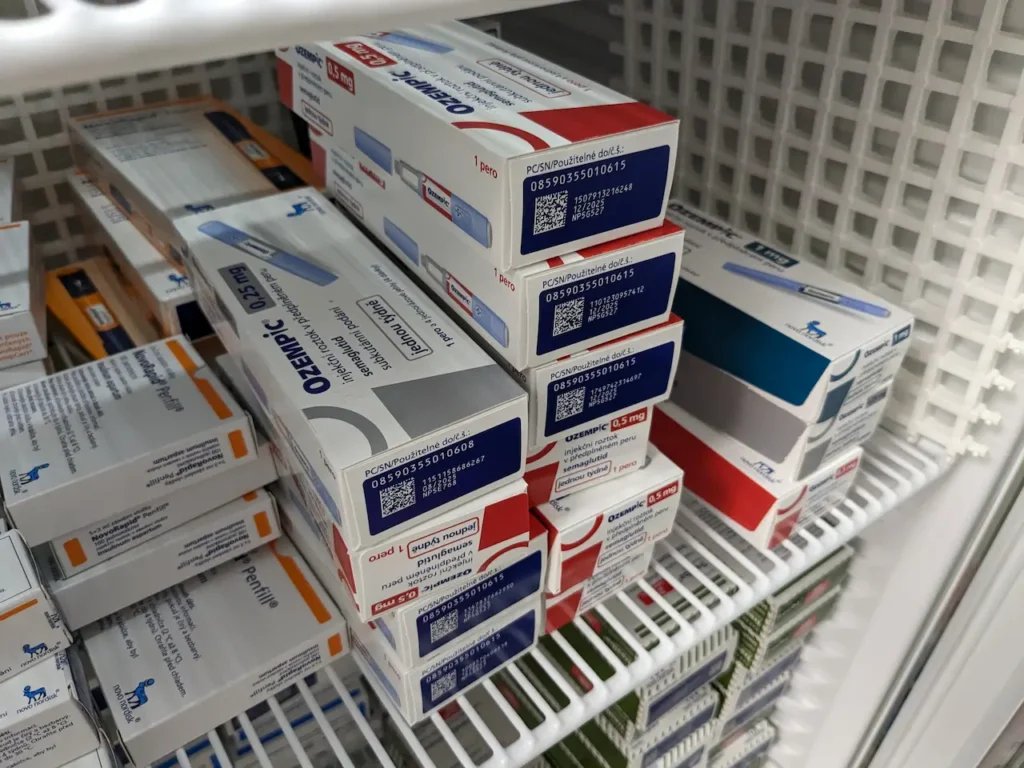
- Ozempic® (semaglutide)
- Rybelsus® (oral semaglutide)
- Wegovy® (semaglutide)
- Zepbound® (tirzepatide)
Ozempic, Rybelsus, and Wegovy are traditional GLP-1 agonists, which means they primarily activate GLP-1 receptors. Zepbound and Mounjaro are dual agonists, meaning they activate both GLP-1 receptors and gastric inhibitory polypeptide receptors (GIPs), which may offer added benefits for some people. These GIPs play an important role in regulating how your body processes glucose.
Common GLP-1 side effects
Just like any medication, GLP-1s can cause side effects, especially when you’re just starting or increasing your dose. However, most are temporary and manageable.
Common, mild side effects may include:
- Nausea
- Upset stomach or diarrhea
- Headaches or fatigue
- Mild soreness at the injection site
These often fade within a few days or weeks as your body adjusts. You can help reduce GLP-1 side effects by staying hydrated, eating smaller portions, avoiding artificial sweeteners, and rotating injection spots can help ease them.
Less commonly, serious side effects can occur, such as gallstones, pancreatitis, or (very rarely) thyroid concerns. That’s why honest, open conversations with your provider matter. Sharing your personal and family medical history helps ensure you’re making a safe, informed choice.
Risks and benefits of taking GLP-1s
GLP-1 medications are considered safe for most adults. For many, the benefits far outweigh the risks. Potential risks include:
- Low blood sugar, especially if you also take other diabetes medications
- Gallbladder issues
- Mild to severe allergic reactions, including anaphylaxis in rare cases
- Possible muscle loss, if you lose weight too quickly (which is why balanced nutrition and movement matter)
If you’re pregnant or nursing, you should not take GLP-1s.
On the flipside, the potential benefits of GLP-1s are significant, including:
- Steady, sustainable weight loss
- Better blood sugar control
- Lower blood pressure
- Reduced risk of heart disease and kidney complications
- Improved confidence and well-being
The key is personalization. These medications work best as part of a full-picture plan, guided by a provider who knows you and how a medication can work for your long-term health and goals.
Who is eligible to take GLP-1 medications?
In general, adults may be candidates for GLP-1 medications if they:
- Have a BMI of 30 or higher or….
- Have a BMI of 27 or higher, plus a weight-related condition like high blood pressure, sleep apnea, or Type 2 diabetes
In recent years, the FDA has expanded approvals, like approving Zepbound for weight management in 2023 and a generic liraglutide (the active ingredient in Saxenda® and Victoza®) in 2025.
However, numbers alone don’t tell the whole story. A licensed provider will look at your overall health and take into consideration any medications you currently take, family history, lifestyle, and goals. All of these factors work together to help you and your provider decide if a GLP-1 medication could be a safe, helpful tool for your personal weight loss journey.
Interested in GLP-1s for weight loss?
If you’re thinking of exploring whether GLP-1s can help you lose weight, you’re not alone. Millions of people have used GLP-1s like Ozempic to help them lose weight, manage Type 2 diabetes, and take control of their health. These medications have provided countless individuals with real support as a bridge to building healthier habits and lasting changes.
At QuickMD, we believe your weight loss journey should be personal, private, and pressure-free. That’s why we offer same-day visits with licensed providers who listen first, prescribe only when appropriate, and don’t require insurance.
Frequently asked questions
Which GLP-1 is best for weight loss?
A GLP-1 that works well for one person might not be the right choice for another. Some studies (like a recent one tracking over 18,000 adults)suggest that tirzepatide (used in Mounjaro and Zepbound), may lead to slightly more weight loss on average than semaglutide (in Wegovy, Ozempic, and Rybelsus). That’s likely because tirzepatide works on two hormone systems (GLP-1 and GIP), not just one.
While studies are important, the best way to find your ideal match is to talk to a licensed provider who can help you make the right choice based on your personal weight loss goals, any medications you’re currently taking, and your personal and family medical history.
Who should not take a GLP-1?
You should not take GLP-1 medications if you are currently pregnant or nursing. You should also avoid GLP-1s if you or your family has a history of thyroid cancer, pancreatitis, or severe gastrointestinal disorders, such as gastroparesis. All medications carry some level of risk alongside potential benefit. That’s why it’s important to always have open, honest conversations with your provider so they can help you make the safest, smartest choice for your body.
Where do you inject GLP-1?
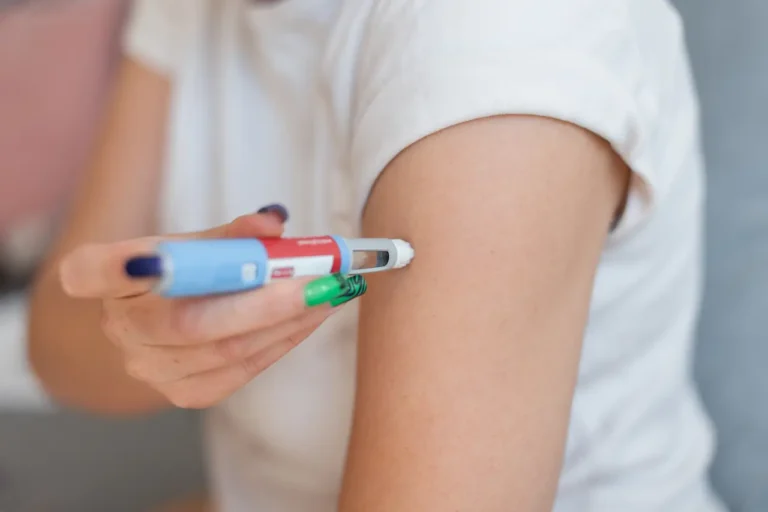
For injectable forms (like Ozempic or Wegovy), you’ll give yourself the shot just under the skin. It’s important to never inject it into a vein or muscle. Common spots include your stomach (at least 2 inches from the navel), thigh, or upper arm. It’s best to rotate sites to avoid irritation. Your provider or pharmacist will show you exactly how to do it comfortably and safely.
Is Ozempic a GLP-1?
Technically, Ozempic contains semaglutide, which is a GLP-1 receptor agonist. This makes it a medication that mimics your body’s natural GLP-1 hormone. In everyday conversation, it’s totally fine (and common!) to call it a “GLP-1 medication” or a “GLP-1.” Just remember: it’s not the hormone itself, but a synthetic version that helps your body use its own systems more effectively.
Is Ozempic safe?
When used as directed, Ozempic is considered safe for most adults. For many, it’s been a life-changing medication that’s helped people lose weight. However, like any medication, it can come with possible side effects. These can range from mild (like nausea) to rare-but-serious (like kidney issues or vision changes in people with advanced diabetes). If you’re considering Ozempic, talk with your provider about your health history, current meds, and concerns. That way, you’re not just taking a medication, you’re making a thoughtful, supported decision.
Disclaimer
Articles on this website are meant for educational purposes only and are not intended to replace professional medical advice, diagnosis or treatment. Do not delay care because of the content on this site. If you think you are experiencing a medical emergency, please call your doctor immediately or call 911 (if within the United States). This blog and its content are the intellectual property of QuickMD LLC and may not be copied or used without permission.
References
Muller, T.D., Finan, B., Bloom, S.R., et. al. (2019). Glucagon-like peptide 1 (GLP-1). Mol. Metab. 2019 Sep 30;30:72–130. doi: 10.1016/j.molmet.2019.09.010. National Library of Medicine. https://pmc.ncbi.nlm.nih.gov/articles/PMC6812410/
Fisher, J. (2025). How does Ozempic work? Understanding GLP-1s for diabetes, weight loss, and beyond. Harvard Health. https://www.health.harvard.edu/staying-healthy/how-does-ozempic-work-understanding-glp-1s-for-diabetes-weight-loss-and-beyond
Niewijk, G. (2024). Research shows GLP-1 receptor agonist drugs are effective but come with complex concerns. University of Chicago Medicine. https://www.uchicagomedicine.org/forefront/research-and-discoveries-articles/research-on-glp-1-drugs
Cleveland Clinic. (2023). GLP-1 Agonists. https://my.clevelandclinic.org/health/treatments/13901-glp-1-agonists
Zhao, X., Wang, M., Wen, Z., et. al. (2021). GLP-1 Receptor Agonists: Beyond Their Pancreatic Effects. Sec. Clinical Diabetes. Volume 12 – 2021 . https://doi.org/10.3389/fendo.2021.721135. Frontiers in Endocrinology. https://www.frontiersin.org/journals/endocrinology/articles/10.3389/fendo.2021.721135/full
Kjems, L., Holst, J., Volund, A., Madsbad, S. (2003). The Influence of GLP-1 on Glucose-Stimulated Insulin Secretion: Effects on β-Cell Sensitivity in Type 2 and Nondiabetic Subjects. Islet Studies. Diabetes. https://diabetesjournals.org/diabetes/article-abstract/52/2/380/26654/The-Influence-of-GLP-1-on-Glucose-Stimulated
Neumiller, J., Bajaj, M., Bannuru, R., et. al. (2024). Compounded GLP-1 and Dual GIP/GLP-1 Receptor Agonists: A Statement from the American Diabetes Association. ADA. https://diabetesjournals.org/care/article/48/2/177/157478/Compounded-GLP-1-and-Dual-GIP-GLP-1-Receptor
Rizvi, A., Rizzo, M. (2022). The Emerging Role of Dual GLP-1 and GIP Receptor Agonists in Glycemic Management and Cardiovascular Risk Reduction. Diabetes Metab Syndr Obes. 2022 Apr 5;15:1023–1030. doi: 0.2147/DMSO.S351982. National Library of Medicine. https://pmc.ncbi.nlm.nih.gov/articles/PMC8994606/
Seino, Y., Fukushima, M., Yabe, D. (2010). GIP and GLP‐1, the two incretin hormones: Similarities and differences. J Diabetes Investig. 2010 Apr 22;1(1-2):8–23. doi: 10.1111/j.2040-1124.2010.00022.x. National Library of Medicine. https://pmc.ncbi.nlm.nih.gov/articles/PMC4020673/
Hopkins MD. (2025). Managing GLP-1 Side Effects: Our Top Tips for Success. https://www.hopkinsmd.com/blog/managing-glp-1-side-effects-our-top-tips-for-success
Billingsly, A. (2025). GLP-1 Side Effects: What to Expect with Ozempic, Zepbound, and More. GoodRX. https://www.goodrx.com/classes/glp-1-agonists/glp-1-side-effects
Zhao, Z., Tang, Y. Hu, Y., Zhu, H., Chen, X., Zhao, B. (2021). Hypoglycemia following the use of glucagon-like peptide-1 receptor agonists: a real-world analysis of post-marketing surveillance data. Annals of Translational Medicine. 2021 Sep;9(18): 1482. National Library of Medicine. https://pmc.ncbi.nlm.nih.gov/articles/PMC8506728/
He, L., Wang, J., Ping, F. (2022). Agonist Use With Risk of Gallbladder and Biliary Diseases. A Systematic Review and Meta-analysis of Randomized Clinical Trials. 2022;182;(5):513-519. JAMA Network. https://jamanetwork.com/journals/jamainternalmedicine/fullarticle/2790392
Anthony, M., Aroda, V. Parlett, L., et. al. (2024). Risk of Anaphylaxis Among New Users of GLP-1 Receptor Agonists: A Cohort Study. Diabetes Care. 2024 Feb 16;47(4):712–719. https://pmc.ncbi.nlm.nih.gov/articles/PMC10973896/
FDA. (2023). FDA Approves New Medication for Chronic Weight Management. https://www.fda.gov/news-events/press-announcements/fda-approves-new-medication-chronic-weight-management
Monostra, M. (2025). FDA approves first generic GLP-1 indicated for weight loss. Endocrine Today. https://www.healio.com/news/endocrinology/20250829/fda-approves-first-generic-glp1-indicated-for-weight-loss
McPhilips, D. (2024). 1 in 8 adults in the US has taken Ozempic or another GLP-1 drug, KFF survey finds. CNN Health. https://www.cnn.com/2024/05/10/health/ozempic-glp-1-survey-kff
Rodriguez, P., Goodwin-Cartwright, B., Gratzl, S., et. al. (2024). Semaglutide vs Tirzepatide for Weight Loss in Adults With Overweight or Obesity. JAMA Internal Medicine. https://jamanetwork.com/journals/jamainternalmedicine/fullarticle/2821080
Ozempic. (2025). Using your Ozempic pen. https://www.ozempic.com/how-to-take/ozempic-pen.html
QuickMD has strict referencing policies and relies on reputable sources, including peer-reviewed research, clinical guidelines, medical organizations, and government and public health agencies, among others. Learn more about how we ensure accuracy in our content by reading our editorial guidelines.