Imagine this: You’re ready to take a big step toward recovery. You’ve heard about Suboxone, the medication that could help you regain control of your life, and you’re eager to start. But then you wonder—do you really need to see a doctor first? Can’t you just skip the hassle and figure it out on your own?
The truth is, starting a Suboxone prescription without a doctor’s guidance isn’t just risky—it can derail your recovery. Suboxone is a powerful tool for overcoming opioid addiction, but it works best when prescribed and monitored by a licensed provider who understands your unique needs.
In this article, we’ll explore why consulting with a doctor is critical for safe, effective treatment and how professional guidance can make all the difference on your journey to recovery.
What Is Suboxone and How Does It Work?
Suboxone is a powerful tool for fighting opioid addiction. It’s made up of two key ingredients:
- Buprenorphine: Helps reduce cravings and withdrawal symptoms by partially stimulating opioid receptors in the brain.
- Naloxone: Acts as a safety net, blocking the effects of opioids and preventing misuse.
When used under a doctor’s supervision, Suboxone can stabilize your recovery, reduce relapse risk, and help you reclaim your life.
Why You Need a Doctor for a Suboxone Prescription
1. Tailored Treatment Plans
- Every person’s addiction journey is different. A doctor evaluates your unique medical history, opioid use, and any co-existing health conditions to determine the correct dosage and treatment plan.
- Starting at the wrong dose could lead to complications like inadequate symptom relief or severe withdrawal.
2. Monitoring for Safety
- Suboxone can cause side effects like nausea, headaches, or drowsiness. A healthcare provider monitors your progress and adjusts your treatment if necessary to ensure your safety.
- If you have conditions like liver disease or are taking other medications, a doctor will factor these into your treatment plan to avoid harmful interactions.
3. Preventing Dependency or Misuse
- While Suboxone is an effective treatment, it’s still a controlled substance. A licensed provider ensures it’s used appropriately and minimizes the risk of dependency.
The Risks of Self-Medicating with Suboxone
Taking Suboxone without medical guidance can be dangerous. Here’s why:
- Improper Dosage
- Too little Suboxone can leave withdrawal symptoms untreated, while too much can lead to over-sedation or other serious side effects.
- Lack of Safety Monitoring
- Without a doctor’s oversight, you may not recognize dangerous side effects or interactions with other substances you’re taking.
- Increased Risk of Relapse
- Recovery is more than just taking medication. Doctors also recommend counseling and support systems to address the emotional and psychological aspects of addiction.
- Legal Consequences
- Purchasing Suboxone without a prescription is illegal and could lead to serious repercussions.
How QuickMD Makes It Easy and Safe
If the idea of a doctor’s visit feels overwhelming, QuickMD offers a stress-free way to get the care you need:
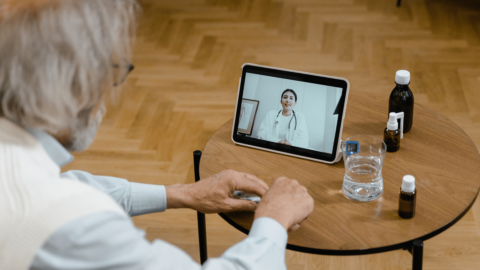
- Same-Day Appointments: Speak with a licensed provider from the comfort of home.
- Professional Evaluation: Get a personalized treatment plan to meet your needs.
- Convenience: Your Suboxone prescription can be sent to a pharmacy near you, saving time and hassle.
Your Recovery Deserves the Right Start
Seeking professional help for Suboxone treatment isn’t just a formality—it’s a vital step toward a safer, more effective recovery. With a doctor’s guidance, you’re not only addressing the physical symptoms of addiction but also building a strong foundation for long-term success.
Ready to begin your recovery journey? Schedule a consultation with QuickMD today and take the first step toward a healthier, brighter future.