What you’ll learn
We’ll explain whether GLP-1 medications like Ozempic® can affect your gallbladder, any potential risks of developing gallstones, and any signs to watch for to help you take prompt action.
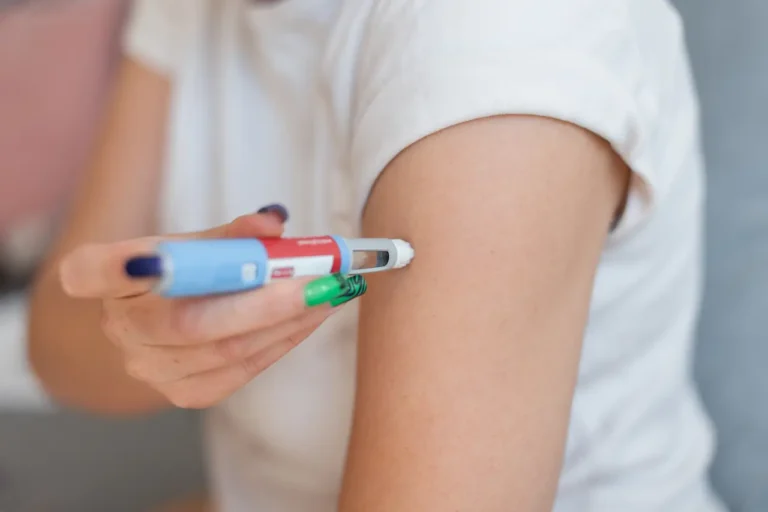
You’ve been losing weight successfully on Ozempic® or another GLP-1 medication, but lately you’re feeling some discomfort in your upper-right abdomen. If you’re wondering whether it could be related to your medication, you’re not alone in having that concern. While gallbladder issues can happen with these medications, the vast majority of people never experience these problems.
Here at QuickMD, we’ve helped thousands of patients navigate GLP-1 treatments safely, keeping an eye out for any potential issues along the way. Whether you’re just starting these medications, dealing with side effects, or have specific concerns about gallbladder health, we’re here to provide you with expert insights at every step of your weight loss journey.
The link between Ozempic (GLP-1) and your gallbladder
Your gallbladder is a small organ tucked beneath your liver that stores bile, a digestive fluid that your liver produces to break down fats. When you eat, especially fatty foods, your gallbladder contracts and releases bile into your small intestine.
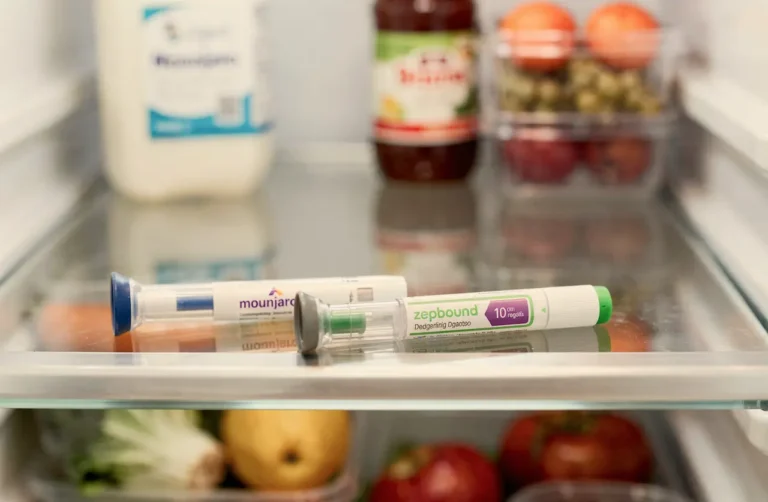
GLP-1 medications like Ozempic act like a natural hormone called glucagon-like peptide-1. This hormone helps with regulating blood sugar levels and curbing appetite. For a closer look at how those effects translate into results, read our overview on how Ozempic works for weight loss.
These medications also work with your digestive system and gallbladder in several key ways:
- Slowed digestion: GLP-1 drugs deliberately slow down how quickly food moves through your stomach. While this helps you feel full longer and is key to their effectiveness, it can also influence the timing and flow of bile from your gallbladder.
- Reduced gallbladder movement: When digestion slows, your gallbladder may not contract as frequently. This can cause bile to sit longer in the gallbladder, becoming more concentrated.
- Rapid weight loss: Many people lose weight successfully on these medications. While that’s often the goal, rapid weight loss itself is a well-known risk factor for gallstone formation in any situation.
- Changed bile composition: When you lose weight rapidly, your liver may secrete extra cholesterol into bile. If there’s too much cholesterol compared to other substances, it can sometimes crystallize and form gallstones.
What are gallstones?
Gallstones are hard deposits that form in your gallbladder when bile becomes imbalanced.
There are two main types:
- Cholesterol stones: These yellow-green stones are made from hardened cholesterol and account for about 80% of all cases of gallstones. They form when your liver puts too much cholesterol into bile, and it can’t stay dissolved.
- Pigment stones: Smaller, darker stones made of bilirubin, a substance from broken-down red blood cells. You’ll see these linked to certain medical conditions like liver disease or blood disorders.
Can Ozempic® cause gallstones? What the research shows
The vast majority of people on GLP-1 medications never have gallbladder issues. And when problems do pop up, they’re typically very treatable with great outcomes.
We now have much better data on gallbladder risks thanks to major research studies in JAMA Internal Medicine. Researchers looked at 76 studies involving over 103,000 patients. They found that people taking GLP-1 medications had a “37% increased relative risk” of gallbladder problems compared to those not taking the medication.
A “37% increased risk” sounds scary until you see the actual numbers. Out of 10,000 people taking these medications for a year, only about 27 more would develop gallbladder-related issues than those not taking them.
Put simply, your chances remain very small.
In clinical studies, only 1.5% of people using the lower dose and 0.4% using the higher dose developed gallstones. To put that in perspective, that’s roughly 1-2 people out of every 100. Meanwhile, none of the people taking a fake pill (placebo) in the same studies developed gallstones.
About 90% of people who got gallstones needed gallbladder removal, which is a routine, safe procedure that most people recover from quickly and can then continue their health journey.
Based on study findings, the risk increases with:
- Higher doses of medication
- Longer treatment duration (especially beyond 26 weeks)
- Very rapid weight loss
That same study showed that 47% of acute gallbladder inflammation cases occurred within the first 90 days of starting treatment, which means early monitoring is vital.
Gallstone symptoms and warning signs to watch for
Being aware of potential symptoms isn’t meant to worry you. It’s meant to help you take quick action and get care if you need it, which leads to better outcomes.
If you’re taking a GLP-1 medication, there are a few gallbladder symptoms to watch for:
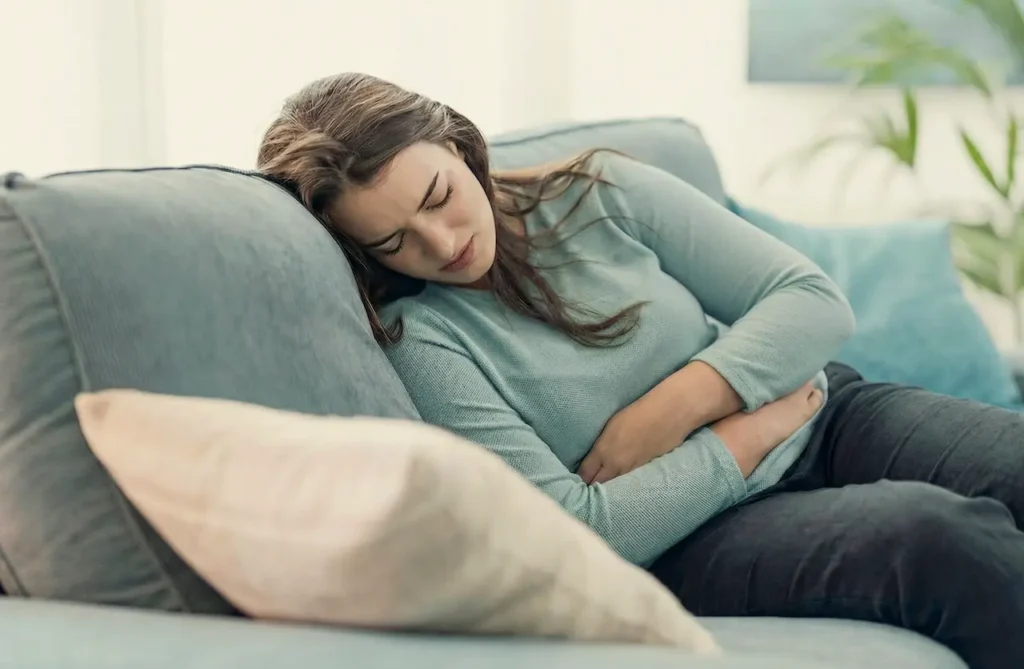
- Severe abdominal pain: Sharp, intense pain in your upper right abdomen that may radiate to your back or right shoulder blade. This pain often comes in waves and can last from minutes to hours.
- Nausea and vomiting: Especially if accompanied by abdominal pain.
- Fever and chills: These symptoms may indicate gallbladder inflammation (cholecystitis) or infection.
- Jaundice: Yellowing of your skin or the whites of your eyes. This can be a sign that a stone may be blocking your bile duct.
- Clay-colored stools: Pale or gray stools can indicate blocked bile flow.
- Dark urine: Another sign that bile isn’t flowing properly.
- Pain after eating: Especially after fatty meals, which can trigger gallbladder contractions.
If you experience abdominal pain, fever, or signs of jaundice, seek medical attention immediately. These symptoms are treatable when caught early.
How to reduce the risk of gallstones while taking Ozempic
Like any medication, there are potential risks with GLP-1s that depend on your own unique personal medical history. While you can’t rule out the risk of gallstones completely, there are several things you can do that may help minimize it:
- Gradual weight loss: If possible, aim for steady, moderate weight loss rather than very rapid drops. Your QuickMD doctor can work with you to determine the right medication dose that promotes healthy weight loss at a sustainable pace.
- Stay hydrated: Proper hydration helps keep bile flowing and may reduce concentration.
- Don’t skip meals: Eating regularly and sticking to a meal schedule that works for you helps your gallbladder contract and empty bile properly.
- Monitor symptoms: Early awareness of gallbladder symptoms can help you take action and seek out prompt treatment, which leads to better outcomes.
- Regular check-ins: Stay in touch with your doctor, especially during the first few months of starting treatment. This period is when monitoring is most important.
And if you ever do feel something is “off,” your QuickMD urgent care team is always here for you. If you’re experiencing any concerning symptoms, same-day appointments are available to help you get prompt treatment and peace of mind. However, if you’re experiencing a medical emergency or severe symptoms, please go to the nearest emergency room or call 911 immediately.
Gallbladder removal and Ozempic
If gallbladder problems do develop while you’re on Ozempic or a similar medication, your doctor might recommend having your gallbladder removed (cholecystectomy) to prevent any severe complications.
Naturally, this brings up questions about what happens with your medication. You might wonder when to stop it, when you can restart, and whether it’s safe to continue. Don’t worry, most of these concerns have encouraging answers.
Before surgery: Should you stop your GLP-1 medication?
Your surgical team might ask you to pause taking your medication about a week before your procedure. However, this depends entirely on your individual situation and risk factors.
GLP-1 medications slow down how quickly your stomach empties, which means food can linger longer than usual. During surgery with anesthesia, having food still in your stomach can create some safety concerns. So, stopping temporarily is just a precaution to keep you as safe as possible.
Can I take Ozempic after gallbladder removal?
Absolutely. Plenty of people continue their GLP-1 medications successfully after gallbladder surgery, with the right medical guidance.
The medications are still safe after your gallbladder is removed, though you might notice some digestive changes at first that are worth paying attention to.
What to expect:
- You may be more sensitive to digestive side effects at first.
- You’ll likely start with lower doses.
- Regular monitoring helps make sure you’re tolerating the medication well.
- Some people need dietary adjustments to manage fat digestion.
Documented cases show that patients can be successfully treated with GLP-1 medications at 8 months after gallbladder removal, with good outcomes.
The key is working with doctors who understand both your surgical history and how these medications work with your body.
QuickMD: your partner in safe GLP-1 treatment
Managing weight loss medications isn’t something you should do alone. Having a knowledgeable medical team in your corner can help you get the right support at every step of the way, from your first consultation through months of successful treatment.
The vast majority of people do really well on Ozempic® and other GLP-1 medications and see great results. These medications have helped millions of people achieve better health, manage diabetes, and lose weight successfully.
Yes, gallbladder complications can happen, but they’re totally manageable when you know what to watch for and have strong medical support. Most people who develop gallbladder issues recover completely and often go right back to their weight loss journey.
Here at QuickMD, we’re here to help support your weight loss journey with affordable, accessible, and expert care. You’ll work with doctors who know all about Ozempic and other GLP-1s and how they fit into your health. Convenient telemedicine visits from the comfort of home make it easy to get a comprehensive evaluation and, if appropriate, a prescription for a GLP-1 medication that works for your unique situation. We can even send your prescription to your pharmacy of choice to help you get the best price on your medication.
Frequently asked questions about Ozempic and your gallbladder
Will eating a low-fat diet while on Ozempic prevent gallbladder problems?
While a low-fat diet can help reduce symptoms if gallbladder issues do develop, there’s no solid evidence that it actually prevents gallstone formation in people taking Ozempic. It’s more about how GLP-1s change digestion and bile flow than what you eat. In fact, keeping healthy fats in your diet (like nuts, olive oil, and avocado) can actually help your gallbladder more effectively flush out bile. That said, a balanced diet supports your overall health and may help with some of the digestive side effects people sometimes experience.
If I develop gallbladder pain while on Ozempic, will stopping the medication make the pain go away?
Unfortunately, stopping Ozempic won’t make existing gallstones or gallbladder inflammation disappear or give you instant pain relief. At that point, you’re dealing with a physical problem that needs medical attention, whether you stay on the medication or not. Stopping might help prevent things from getting worse, but it won’t fix what’s already happening. If you’re having gallbladder pain, the most important thing is to get checked out right away to figure out what’s going on and what kind of treatment you need. Once you’ve been treated and cleared by your doctor, you can safely resume taking your medication.
Are there any warning signs before severe gallbladder pain hits?
Some people notice subtle signs before serious gallbladder issues occur. Some common signals include feeling bloated after eating (especially fatty foods) or having some mild discomfort in the upper right part of their belly that comes and goes.
You might also notice feeling unusually full or nauseous after meals. These aren’t always gallbladder-related, but if you’re noticing new digestive issues on Ozempic, it’s worth mentioning to your QuickMD provider.
Who’s at higher risk for Ozempic gallbladder problems?
While gallbladder problems can happen to anyone taking GLP-1 medications, certain factors may increase your risk. Having these risk factors doesn’t disqualify you from these medications. It just means your provider will want to keep a closer eye on things. Having an open, honest discussion with your doctor can help you make the right decision for you.
Some risk factors to be aware of include demographic factors, such as being female (women are more prone to gallstones generally) and being over the age of 40; as well as medical factors like rapid weight loss, personal or family history of gallbladder disease, and certain genetics that affect how you metabolize fat. Taking higher doses of GLP-1s can also potentially increase risk of gallstones.
Remember, even with multiple risk factors, serious problems remain uncommon, and your provider can help you weigh the benefits against potential risks.
Why can you get cholelithiasis (gallstones) from Ozempic?
Cholelithiasis (gallstones) can develop with Ozempic use because GLP-1 medications slow down your gallbladder emptying, reducing the flow of bile in the liver and causing cholesterol to crystalize. Another related condition, cholecystitis, is inflammation of the gallbladder. This often occurs when a gallstone blocks the cystic duct, causing bile buildup, pressure, and potential infection. While these risks exist, maintaining open communication with your doctor about symptoms like right upper abdominal pain ensures prompt treatment, if needed.
Like any medication, GLP-1s have benefits and risks that should be discussed with your doctor, along with your personal medical history. Staying informed and reporting any unusual symptoms can help you take early action while continuing your medication.
Disclaimer
Articles on this website are meant for educational purposes only and are not intended to replace professional medical advice, diagnosis or treatment. Do not delay care because of the content on this site. If you think you are experiencing a medical emergency, please call your doctor immediately or call 911 (if within the United States). This blog and its content are the intellectual property of QuickMD LLC and may not be copied or used without permission.
References
DiCiaula, A., Wang, D.Q.H., Portincasa, P. (2021). An update on the pathogenesis of cholesterol gallstone disease. Curr Opin Gastroenterol. 2018 Mar;34(2):71–80. doi: 10.1097/MOG.0000000000000423. https://pmc.ncbi.nlm.nih.gov/articles/PMC8118137/
He, L., Wang, J., Ping, F., et al. (2022). Association of Glucagon-Like Peptide-1 Receptor Agonist Use With Risk of Gallbladder and Biliary Diseases. A Systematic Review and Meta-analysis of Randomized Clinical Trials. JAMA Intern Med. 2022;182;(5):513-519. doi:10.1001/jamainternmed.2022.0338. https://jamanetwork.com/journals/jamainternalmedicine/fullarticle/2790392
Butler, J., Bjurstrom, M., Marceau, A. (2021). Possible dulaglutide-associated cholecystitis with safe continuation post cholecystectomy. Am J Health Syst Pharm. 2021 Feb 17:zxab045. doi: 10.1093/ajhp/zxab045. https://pmc.ncbi.nlm.nih.gov/articles/PMC7929465/
Sullivan, J. (2026). Ozempic and Gallbladder Disease: is there a link? Hammersmith Health Books. https://hammersmithbooks.co.uk/ozempic-and-gallbladder-disease-is-there-a-link-by-juliet-sullivan/
QuickMD has strict referencing policies and relies on reputable sources, including peer-reviewed research, clinical guidelines, medical organizations, and government and public health agencies, among others. Learn more about how we ensure accuracy in our content by reading our editorial guidelines.