What you’ll learn
We’ll walk through how Suboxone® works during pregnancy, how it compares to Subutex®, what to expect after delivery, and why getting treatment for opioid use disorder (OUD) is one of the healthiest decisions you can make for yourself and your baby.
If you’re pregnant and managing opioid use disorder (OUD), you might be wondering what’s safest for you and your baby. It’s a big question, and it’s okay to feel uncertain. The good news is that sobriety is absolutely possible, and with the right support, you can have a healthy pregnancy.
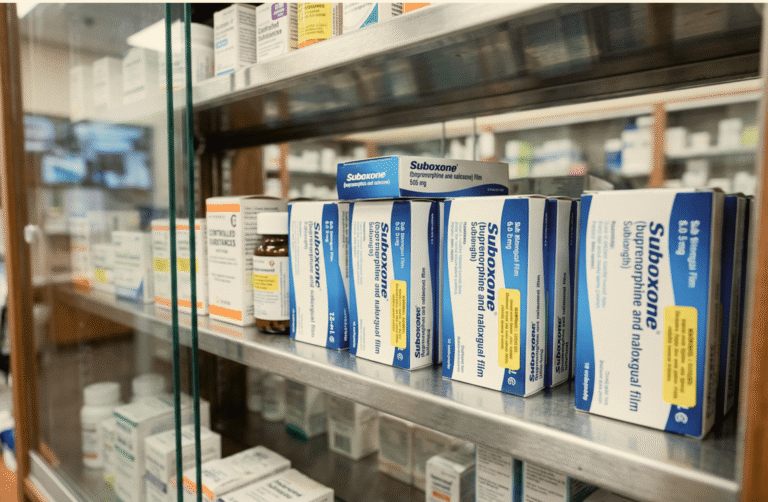
Suboxone®, which contains buprenorphine, is a medication that’s widely used to treat opioid use disorder. It’s considered a safe and effective option during pregnancy when prescribed and monitored by a doctor. Getting stable on medication can protect both you and your baby by reducing the risks that come with untreated opioid use.
In this article, we’ll walk through what you need to know about Suboxone’s safety, how it compares to similar medications, and why treating OUD during pregnancy matters for both you and your child.
What is Suboxone, and how does it support OUD recovery during pregnancy?
Suboxone combines two medications: buprenorphine and naloxone.
- Buprenorphine helps reduce cravings and withdrawal symptoms.
- Naloxone is included to discourage misuse.
During pregnancy, stability matters more than anything else. Untreated opioid use can cause repeated cycles of intoxication and withdrawal. Those ups and downs can stress both your body and your baby. Suboxone helps maintain steady medication levels. This consistency is especially important for your developing baby, who relies on steady blood flow and nutrients through the placenta.
Studies have shown that pregnant women who receive medication-assisted treatment (MAT) are much more likely to stay on top of their prenatal health and less likely to experience complications related to relapse after giving birth.
How does Subutex compare to Suboxone during pregnancy?
Subutex contains buprenorphine alone, without the added ingredient of naloxone. However, both Subutex and Suboxone provide the same core benefit: they reduce cravings and prevent withdrawal.
In the past, some doctors preferred buprenorphine-only products during pregnancy out of caution about naloxone. However, current evidence shows that both buprenorphine alone (Subutex) and the buprenorphine-naloxone combination (Suboxone) are generally considered safe during pregnancy when taken as prescribed.
In fact, several recent studies compared buprenorphine‑naloxone with buprenorphine alone for treating opioid use disorder (OUD) during pregnancy. These studies found no meaningful differences in pregnancy or newborn outcomes between the two groups, and in some cases, concluded that buprenorphine‑naloxone was just as safe and perhaps even safer in pregnancy. This means buprenorphine‑naloxone is considered a safe and effective treatment option for OUD in pregnancy, and these findings support the use of buprenorphine-naloxone as the best treatment for OUD in pregnancy.
It’s also important to note that consistency matters. During pregnancy, you’re dealing with a lot of physical and emotional changes. If a woman has been stable on Suboxone before pregnancy, staying on Suboxone during pregnancy is the safest option, and Suboxone should be continued throughout her pregnancy.
The best choice depends on your personal health history, your stability on medication, and a thoughtful conversation with your doctor. The most important thing is that you are receiving consistent, supervised treatment from a knowledgeable, caring doctor who listens to your concerns without judgment.
Why treating opioid use disorder (OUD) during pregnancy is important
Treating opioid use disorder during pregnancy helps protect both you and your baby. One of the key reasons is that it can reduce the risk of severe neonatal abstinence syndrome (NAS), a condition where newborns experience withdrawal symptoms.
While NAS can still occur with medications like Suboxone or Subutex, it’s often milder and easier to manage than withdrawal from opioids like fentanyl or methadone. A study conducted by Stanford Medicine and Harvard University found that MAT with buprenorphine offered better outcomes for newborns than methadone. Getting treatment means you’re giving your baby a more stable start.
Symptoms of Neonatal Abstinence Syndrome (NAS)
If a baby has been exposed to opioids during pregnancy, they might show signs of NAS after birth. These can include:
- Abnormally fast breathing
- Jitteriness
- Abnormal sensitivity to surroundings
- Vomiting
- Diarrhea
- Fever
It’s important to know that many cases of NAS are treatable. Early monitoring allows care teams to respond quickly and keep babies comfortable.
Is Suboxone safe during the first trimester?
If you’re pregnant and taking Suboxone, it’s completely normal to worry about your baby’s safety. Knowing the facts can help put you more at ease. A Medication-Assisted Treatment (MAT) program, including Suboxone, is widely recognized as the safest approach for managing opioid use disorder during pregnancy, even in the first trimester. Continuing treatment under medical guidance is much safer than stopping abruptly or using street opioids, which carry much higher risks for you and your baby.
Potential benefits of Suboxone use during pregnancy
Suboxone can make a meaningful difference in your recovery journey during pregnancy. Here’s how:
- It helps reduce risk of relapse. Cravings can feel overwhelming, but Suboxone works to quiet them, making it easier to stay on track.
- It provides steady medication levels. This creates a stable environment for your baby’s development, free from the extreme highs and lows of illicit opioid use.
- It supports consistent prenatal care. People on Suboxone treatment are more likely to attend regular prenatal visits, which means better care for both you and your baby.
- It’s a regulated medication. Suboxone’s composition is consistent and free from dangerous additives or contaminants.
Research backs this up. Studies show improved birth weights, fewer premature births, and shorter hospital stays for babies born to mothers on Medication-Assisted Treatment compared to those with untreated opioid use disorder.
Potential risks of Suboxone use during pregnancy
It’s important to be aware of potential risks, but keep in mind that Suboxone is much safer than continuing to use opioids like heroin or fentanyl. Here’s what to focus on and why it’s worth sticking with MAT during pregnancy:
- Less severe instances of neonatal abstinence syndrome (NAS). Babies exposed to Suboxone during pregnancy can experience withdrawal symptoms after birth, but these are typically milder and more manageable than all other opioids.
- Long-term research is ongoing. Scientists continue to study whether there are any subtle developmental effects as children grow, but current evidence supports the safety of MAT during pregnancy.
- Medication interactions are possible. Suboxone can interact with other medications sometimes prescribed during pregnancy, which is why coordination between your obstetrician and OUD specialist is so important.
- Stigma can add stress. Unfortunately, some people may judge or offer unsolicited advice about MAT. That judgment, whether it’s from strangers, loved ones, or even healthcare providers, can add to the already long list of physical and emotional challenges that come with pregnancy. This social pressure can make an already challenging time feel heavier. Having supportive doctors in your corner can help you make the best and most medically informed choice for your health and your baby.
Breastfeeding while taking Suboxone
If you’re considering breastfeeding while on Suboxone, it’s a decision worth discussing with your doctor. According to the NIH (National Institutes of Health) Drug and Lactation Database, “Naloxone is excreted into milk in very small amounts and is not detectable in the plasma of breastfed infants because of its very poor oral bioavailability. Routine use of naloxone in combination products (Suboxone) is of no concern during breastfeeding.” Many mothers on Suboxone breastfeed successfully with proper monitoring and support.
When breastfeeding might not be a good idea
There are some situations where breastfeeding while on Suboxone may not be recommended:
- If you’re actively using other substances or medications that could affect your baby.
- If you or your baby has specific health conditions that make breastfeeding unsafe.
This is a personal decision, and your doctor can help you weigh the pros and cons based on your unique situation. With the right guidance, breastfeeding can be a healthy and rewarding experience for both you and your baby.
Important risk factors and precautions for pregnant patients on Suboxone
Taking Suboxone during pregnancy works best when you have a supportive care team guiding you. Here’s what to keep in mind:
- Never adjust your dose on your own. Changes should only happen under medical supervision. Even small adjustments can have big effects, and your doctor’s expertise matters.
- Build a care team that communicates. Ideally, this includes both an OUD specialist and an obstetric doctor working together. They bring different skills to your care, creating a more complete picture of your health.
- Expect regular check-ins. Your body changes throughout pregnancy. Your metabolism speeds up, blood volume increases, and hormone levels shift. These changes can affect how medications work, so regular monitoring helps your provider adjust your dose if needed.
- Be prepared for possible adjustments later in pregnancy. As you approach your third trimester, some doctors may recommend dose changes or split dosing to maintain steady medication levels.
Liver conditions and Suboxone treatment
During pregnancy, the liver plays a key role in processing nutrients and how they’re delivered to you and your baby. If you have an existing liver condition and are taking Suboxone during pregnancy, it’s important to keep a few things in mind:
- Avoid mixing substances. Using other drugs or alcohol alongside Suboxone increases risks and can be unpredictable.
- Talk to your doctor about liver health. If you have a liver condition, it may affect how your body processes Suboxone. Your liver is your body’s main processing center for medications, so it’s important your care team knows your full health history.
Mental health and Suboxone
Mental health conditions like depression, anxiety, or past trauma may arise in those with substance use disorders. These deserve their own attention and treatment, which can work alongside your Suboxone plan. Pregnancy can be an emotional time, with a lot of different feelings bubbling up to the surface. Let your doctor know how you’re feeling. Addressing your mental health is part of caring for your whole self.
Previous pregnancy complications
If you’ve had complications in past pregnancies, share that history with your care team. It can help them tailor your treatment to support the healthiest possible outcome this time.
Planning ahead for delivery also makes a difference. Make sure your delivery team knows you’re on Suboxone so they can provide the best care for you and your baby during and after birth.
Will your baby experience withdrawal symptoms from Suboxone?
After birth, your baby will be monitored for signs of withdrawal. This is a standard precaution. It’s not because something is wrong, but because it helps ensure your baby gets the gentlest start possible. Many babies don’t experience severe symptoms, and if they do, the medical team is prepared to help them make their earliest days in the world more comfortable.
Follow-up care
Your pediatrician may recommend a little extra follow-up care in your baby’s first few months. Think of it like added reassurance. Most likely, everything will be just fine, but regular check-ins help catch any small concerns early, so you can both feel supported.
Postpartum Suboxone treatment: adjusting to motherhood and recovery
And don’t forget about your own needs after delivery. Between midnight feedings, hormone shifts, and the beautiful chaos of caring for a newborn, the postpartum period brings new layers to recovery. Your treatment plan might need some adjustments to support you through this transition, and that’s completely normal. Your health matters just as much now.
What to expect when using Suboxone during pregnancy
If you’re taking Suboxone during pregnancy, you might wonder what the journey looks like. Knowing what to expect can help you feel more prepared and confident. Here’s a look at what many women experience during their sobriety journey during pregnancy.
1. Regular monitoring
You’ll work closely with your doctor to make sure your Suboxone dose is just right for you and your baby. Routine prenatal visits help ensure you’re both thriving, and adjustments can be made along the way as your body changes.
2. Possible Neonatal Abstinence Syndrome (NAS)
Some babies exposed to Suboxone during pregnancy may experience mild withdrawal symptoms after birth. It’s important to know that these symptoms are typically much milder than those caused by other opioids, and they’re manageable with supportive medical care. Your baby’s care team will be ready to help if needed.
3. A comprehensive care plan
While Suboxone is a helpful tool that offers greater stability in your recovery, this medication works best when it’s part of a bigger picture of care. That often includes counseling, peer support, and attention to your overall health. It’s about supporting you as a whole person.
Get expert care and MAT during your pregnancy with QuickMD
Both Suboxone and Subutex are considered safe, effective options during pregnancy. Receiving Medication-Assisted Treatment (MAT) under the care and guidance of a licensed doctor can be life-changing for you and your baby.
At QuickMD, we’re here to support you at every step of your sobriety journey. Our caring, compassionate doctors are experienced in helping you manage OUD during pregnancy so you can stay healthy, feel supported, and look forward to meeting your little one. With our telemedicine services, you can get the care you need from the comfort of home, without added stress or travel.
Disclaimer
Articles on this website are meant for educational purposes only and are not intended to replace professional medical advice, diagnosis or treatment. Do not delay care because of the content on this site. If you think you are experiencing a medical emergency, please call your doctor immediately or call 911 (if within the United States). This blog and its content are the intellectual property of QuickMD LLC and may not be copied or used without permission.
References
American Society of Addiction Medicine. (2020). The ASAM National Practice Guideline For the Treatment of Opioid Use Disorder. https://downloads.asam.org/sitefinity-production-blobs/docs/default-source/guidelines/npg-jam-supplement.pdf?sfvrsn=a00a52c2_4
Prince, M., Daley, S., Ayers, D. (2023). Substance Use in Pregnancy. StatPearls. https://www.ncbi.nlm.nih.gov/books/NBK542330/
Gragnolati, A. (2024). Treating Opioid Use Disorder During Pregnancy: Are Suboxone and Subutex Safe? GoodRx. https://www.goodrx.com/conditions/pregnancy/taking-subutex-while-pregnant
Perry, Briana N. MD; et al. (2022). Buprenorphine-naloxone Versus Buprenorphine for Treatment of Opioid Use Disorder in Pregnancy. Journal of Addiction Medicine 16(6):p e399-e404, Aug 2022. https://pubmed.ncbi.nlm.nih.gov/35916423/
Mullins, Nathan, et al.(2020). Buprenorphine and naloxone versus buprenorphine for opioid use disorder in pregnancy: a cohort study. Journal of Addiction Medicine 14.3 (2020): 185-192. https://www.researchgate.net/publication/336153377_Buprenorphine_and_Naloxone_Versus_Buprenorphine_for_Opioid_Use_Disorder_in_Pregnancy_A_Cohort_Study
Straub, L., Bateman, B.T., Hernández-Díaz S, et al. (2024). Comparative Safety of In Utero Exposure to Buprenorphine Combined With Naloxone vs Buprenorphine Alone. JAMA. 2024;332(10):805–816. doi:10.1001/jama.2024.11501. https://jamanetwork.com/journals/jama/fullarticle/2822178
Dartmouth-Hitchcock. (2021). Use of Buprenorphine-Naloxone (Suboxone) in Pregnancy. https://www.dartmouth-hitchcock.org/sites/default/files/2021-03/use-of-buprenorphine-naloxone-in-pregnancy.pdf
Cleveland Clinic. (2022). Neonatal Opioid Withdrawal Syndrome. https://my.clevelandclinic.org/health/diseases/23226-neonatal-abstinence-syndrome
Santoro, H. (2022). Use of buprenorphine during pregnancy better for infants than methadone, study finds. Stanford University Medicine. https://med.stanford.edu/news/all-news/2022/11/buprenorphine-pregnancy-opioid.html
March of Dimes. (2025). Neonatal Abstinence Syndrome (NAS). https://www.marchofdimes.org/find-support/topics/planning-baby/neonatal-abstinence-syndrome-nas
CDC. (2025). Opioid Use and Pregnancy. https://www.cdc.gov/overdose-prevention/hcp/clinical-care/opioid-use-and-pregnancy.html
Anbalagan, S., Falkowitz, D., Mendez, D. (2024). Neonatal Abstinence Syndrome. StatPearls. https://www.ncbi.nlm.nih.gov/books/NBK551498/
Tran, E., Kim, S., England, L., et al. (2020). The MATernaL and Infant NetworK to Understand Outcomes Associated with Treatment of Opioid Use Disorder During Pregnancy (MAT-LINK): Surveillance Opportunity. J Womens Health (Larchmt). 2020 Nov 23;29(12):1491–1499. doi: 10.1089/jwh.2020.8848. https://pmc.ncbi.nlm.nih.gov/articles/PMC8486044/
National Institutes of Health (NIH). (2024). Drugs and Lactation Database (LactMed®). Naloxone. https://www.ncbi.nlm.nih.gov/books/NBK501681/
American College of Obstetricians & Gynecologists (ACOG). (2021). Opioid Use and Opioid Use Disorder in Pregnancy. https://www.acog.org/clinical/clinical-guidance/committee-opinion/articles/2017/08/opioid-use-and-opioid-use-disorder-in-pregnancy
Fang, H., Li, Q., Wang, H., Ren, Y., Zhang, L., Yang, L. (2024). Maternal nutrient metabolism in the liver during pregnancy. Front Endocrinol (Lausanne). 2024 Mar 20;15:1295677. doi: 10.3389/fendo.2024.1295677. https://pmc.ncbi.nlm.nih.gov/articles/PMC10987773/
QuickMD has strict referencing policies and relies on reputable sources, including peer-reviewed research, clinical guidelines, medical organizations, and government and public health agencies, among others. Learn more about how we ensure accuracy in our content by reading our editorial guidelines.