What you’ll learn
We’ll explain how menopause affects your bone density, what early signs of bone loss look like, and what you can do to protect your bones through screening, lifestyle changes, and treatment options.
Most women don’t think much about their bones until something breaks. But the years around perimenopause and menopause are when bone loss tends to happen the fastest, often without any noticeable signs. As estrogen levels drop, your body starts breaking down bone more quickly than it can restore it. That process can begin well before your last period.
But this doesn’t have to be the case. When you understand how menopause affects your bones and when the biggest changes happen, you’re in a much better position to do something about it. From everyday habits to screening to treatment options like menopause hormone therapy (MHT), there’s more within your control than you might expect. And if you want help sorting through your options, our doctors here at QuickMD are here to walk you through it.
What is osteoporosis, and why is it more common after menopause?
Osteoporosis is a disease affecting the bones. The bones become brittle, weak, and fragile, causing a decrease in quality and strength, leading to fractures and broken bones. Women are five times more likely to develop osteoporosis than men.
If hearing the word “osteoporosis” gives you a little twinge of worry, you’re not alone. A lot of women going through menopause feel some anxiety around their bone health, but understanding what causes osteoporosis can help you take steps to protect it. Let’s go over some bone basics first.
Your bones aren’t solid all the way through. They have a hard outer shell and a spongy inner layer filled with marrow and blood vessels. Throughout your life, your body is constantly breaking down old bone and building new bone to replace it. When this process stays balanced, your bones stay strong.
As we age, that cycle becomes lopsided. Your body begins removing bone a little faster than it can rebuild it. The spongy interior develops more gaps, and the outer shell gradually becomes thinner. This eventually happens to everyone to some degree. Osteoporosis occurs when the thinning progresses far enough that your bones become more fragile and more likely to fracture, particularly in the hip, spine, and wrist.
For women in menopause, this is an especially important topic because estrogen plays a key role in keeping that bone-rebuilding cycle in balance. When estrogen levels decline, bone loss can speed up significantly. “Estrogen, calcium, and vitamin D are part of the fundamentals important in keeping bone tissue healthy and strong,” explains Dr. Sheryl Ross (Dr. Sherry), CMO of Women’s Health here at QuickMD.
When women go through menopause and lose estrogen, the building material of bone is weakened and puts women at risk for osteoporosis. Deficiency in calcium and vitamin D also contribute in making bone prone to this silent disease.
While this should be taken seriously, know that you have options that will help protect your long-term bone health.
Early signs of bone loss most women miss
Part of what makes osteoporosis tricky is that it often develops quietly, without any obvious symptoms. But there are a few subtle changes to look out for, especially around perimenopause (which typically starts in your mid-40s to early 50s):
- Gradual height loss, usually an inch or more over several years. This happens so slowly that most women don’t notice until a doctor measures them.
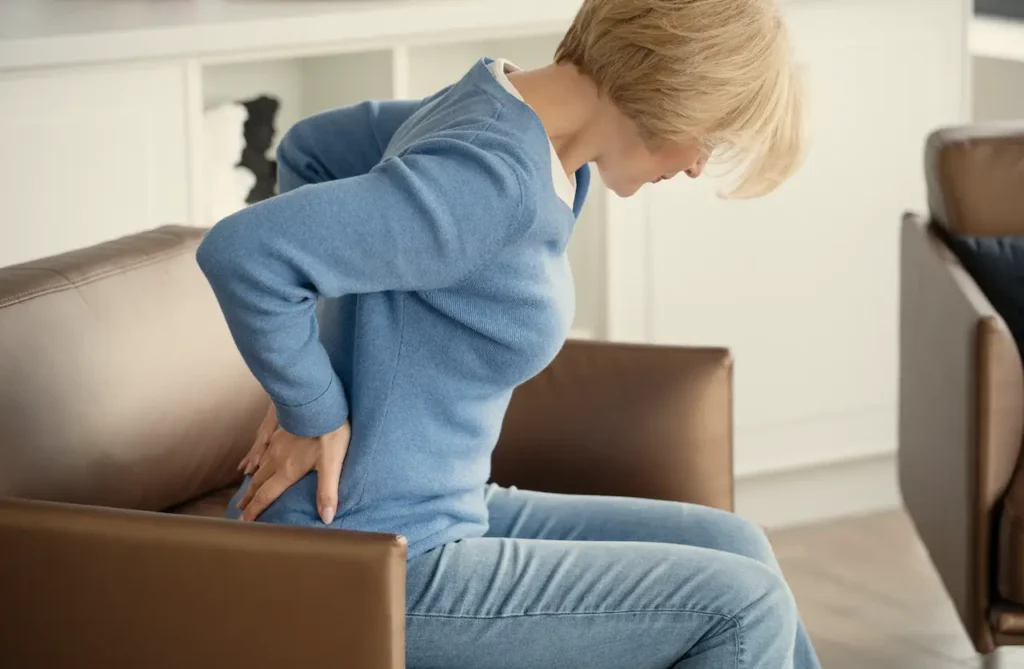
- New or unexplained back pain, which can sometimes signal compression fractures in the spine, even from everyday activities.
- Stooped posture or rounded shoulders that develop over time from spine curvature.
- Fractures from minor falls or bumps that wouldn’t have caused a break before. This is usually a later sign, but for some women it’s the first clue.
Because these changes tend to creep in gradually, many women only discover bone loss through a screening like a DEXA scan. That’s actually one of the best reasons to stay on top of routine screenings because catching bone loss early gives you more options to slow it down and protect yourself going forward.
Why menopause affects your bone density
Earlier, we talked about how your bones are constantly remodeling, breaking down old bone and replacing it with new bone throughout your life. Estrogen is a big part of what keeps that process running smoothly. It helps limit the cells that break bone down while supporting the cells that build it back up. During menopause, when estrogen levels drop, the rebuilding process becomes unbalanced. Without enough estrogen to keep things in check, bone breakdown starts outpacing rebuilding. Over time, this makes bones more porous on the inside and thinner on the outside.
Every woman goes through this change. How much bone density you lose depends on a mix of factors like genetics, lifestyle, and your overall health. But the important thing is that this isn’t something you just have to watch happen. There are ways to slow bone loss and help maintain bone density.
How fast does bone loss happen after menopause?
Bone loss can start during perimenopause, but the fastest decline typically happens in the first five to seven years after your final period. During that window, some women lose up to 20% of their total bone mass.
The trouble with bone loss is that while it’s happening, you probably won’t feel a thing. In these early stages, it’s almost always silent. That’s exactly why understanding the timeline and which stage you’re in can help you act early.
The table below gives you a general overview of how bone density tends to change across the stages of menopause. The last column focuses on spine and hip density specifically, since those are the most common fracture sites with osteoporosis and the best indicators of your overall fracture risk.
Note: Age ranges overlap because these stages aren’t hard cutoffs. Your timeline may look different, and that’s completely normal.
| Stage of menopause | Typical age range | What to expect | Approximate annual bone loss (Spine / Hip) |
| Early perimenopause | 42 to 48 | Hormones start to fluctuate, but bone changes are minimal. You likely won’t notice anything yet. | Little to no significant change |
| Late perimenopause (about 1 to 3 years before final period) | 48 to 51 | Bone loss picks up as estrogen drops more noticeably. Still unlikely to cause symptoms. | Spine: ~1.6% per year /Hip: ~1.0% per year |
| Menopause transition (about 1 year before to 2 years after final period) | 50 to 53 | The steepest decline, especially in the spine. This is the window where the most significant loss occurs. | Spine: ~2.0 to 5.0% per year / Hip: ~1.5 to 3.0% per year |
| Early postmenopause | 51 to 56 | Rapid loss continues, then gradually begins to taper off. | Spine: ~2.0 to 5.0% per year / Hip: ~1.4 to 3.0% per year |
| Later postmenopause | 56+ | Bone loss slows but continues steadily. At this stage, aging plays a bigger role than hormones. | Spine: ~1.0 to 1.5% per year / Hip: ~0.8 to 1.2% per year |
Who is at higher risk for osteoporosis after menopause?
Not everyone faces the same level of risk for osteoporosis. Part of that comes down to how strong your bones were to begin with. Your bones reach their peak strength sometime in your teens/twenties. Some risk factors affect how strong your bones are early on, while others affect how quickly they weaken later in life. Both matter, and many of them overlap. Here are some of the most common risk factors:
- Family history of osteoporosis. If a parent or sibling has had fractures or been diagnosed, your risk is higher.
- A smaller body frame. Women with petite builds tend to have less bone mass to start with, which means less of a buffer as loss accelerates. Generally, this means weighing less than about 127 lbs or having a BMI under 21.
- Low calcium or vitamin D intake, either now or earlier in life. Both are essential for building and maintaining strong bones.
- A history of undereating or restrictive dieting, especially during adolescence or early adulthood, when your body was still building peak bone mass.
- Low physical activity or low muscle mass. Weight-bearing movement helps stimulate bone growth. Less activity means less of that stimulus.
- Smoking, which interferes with your body’s ability to absorb calcium and can accelerate bone loss.
- Long-term use of corticosteroids (like prednisone), which can weaken bones over time.
- Certain medical conditions that affect hormone levels or how your body absorbs nutrients, such as thyroid disorders or celiac disease.
- Early menopause (before age 45), which means more years of lower estrogen and a longer window of accelerated bone loss.
If you’re reading this list and checking off a few boxes, you’re in good company. Most women have at least a couple of these risk factors. You may want to bring this info to your doctor so you can discuss screening, prevention, and if treatments like MHT could be right for you.
Should you get a bone density test during menopause?
A DEXA scan is one of the easiest screening tests you can get. It’s a quick, low-dose X-ray that measures bone density in your hip and spine, with the whole thing taking about 10 to 20 minutes. And prep is minimal: just skip your calcium supplements for 24 hours beforehand and wear metal-free clothes. No needles or fasting grumpiness.
Routine screening is recommended for all women starting at age 65. But if you’re postmenopausal and under 65, your doctor may suggest getting scanned earlier based on your individual risk factors. “If you have broken a bone or have broken several, it’s a good idea to get a bone density test earlier than 50,” notes Dr. Sherry.
Before your scan, your doctor will typically walk you through a short questionnaire covering things like your fracture history, family history, and lifestyle factors (many of which overlap with the risk factors we covered above).
The goal of a DEXA scan isn’t to deliver bad news. It’s to give you and your doctor a clear picture of where your bones stand right now, so you can make informed decisions about prevention or treatment before a fracture ever happens.
Can menopause hormone therapy (MHT) prevent bone loss?
MHT works by restoring some of the lost estrogen, which helps slow the breakdown of bones and maintain bone density, particularly at the spine and hip.
Current evidence shows that the benefits of MHT for bone health are strongest when treatment is started early, ideally before age 60 and within 10 years of your final period. That window is when estrogen therapy can do the most to keep the bone remodeling cycle closer to balance, rather than waiting until significant bone loss has already occurred.
That said, MHT is one option among several. For some women, it’s a strong fit based on their symptoms, health history, and risk factors. Others may benefit more from lifestyle strategies, osteoporosis-specific medications, or a combination. Your doctor can help you figure out which approach makes sense for your situation and health history.
Is MHT safe for protecting bone health?
For many women, MHT is a safe and effective way to support bone health during menopause. But whether it’s the right choice for you depends on several factors, including your age, how far you are from your final period, the type and dose of hormones, and your personal and family health history.
MHT can slow menopause-related bone density loss and reduce fracture risk while you’re taking it. As an added bonus, it often helps with other menopause symptoms like hot flashes and restless sleep, which can indirectly support your ability to stay active and protect bone health.
Like any medication or treatment, it’s important to look at your total health picture to decide if MHT is right for you. It’s generally recommended to start MHT earlier in menopause rather than later. Not only can this help boost your bone health, but at this stage, the benefits outweigh any risks.
Because so much depends on your individual situation, it’s important to have an open, honest conversation with your doctor. They can walk you through your specific risk factors and help you find out if MHT is right for you.
Other ways to protect your bones during and after menopause
Bone protection doesn’t require a total lifestyle overhaul. These everyday habits can support bone strength and slow the loss that comes with menopause.
- Do weight-bearing exercise most days. Walking, hiking, stair climbing, and dancing all tell your bones to stay strong.
- Add resistance training two to three times per week. Lifting weights, using resistance bands, or working with your own body weight helps maintain bone density and builds the muscle that protects you from falls.
- Aim for enough calcium, preferably from food. Women 50 and under need about 1,000 mg per day; women 51 and older need about 1,200 mg. Dairy, leafy greens, and fortified foods can get you most of the way there, with supplements filling any gaps.
- Get enough vitamin D. Your body needs it to absorb the calcium you’re taking in. The general recommendation is 600 to 800 IU daily for women 50 and under, and 800 to 1,000 IU for women 51 and older. While foods like salmon, tuna, eggs, and milk are great sources of vitamin D, going for a walk outside can also be a good way to up your intake. Dr. Sherry mentions that, “exposing your skin (without any sunscreen!) to sunlight every day for 10-15 minutes provides you with your daily dose of vitamin D.”
- Watch your caffeine intake. Try limiting caffeine to no more than one or two servings (of 8 to 12 ounces) per day. Too much caffeine can interfere with how your body absorbs calcium.
- If you smoke, try quitting. Smoking weakens bones and raises fracture risk.
- Limit alcohol to moderate intake. More than about one drink per day is linked with increased fracture risk and can also affect your balance.
None of these requires perfection. Even small, consistent changes add up over time.
When to talk to a QuickMD doctor about bone health
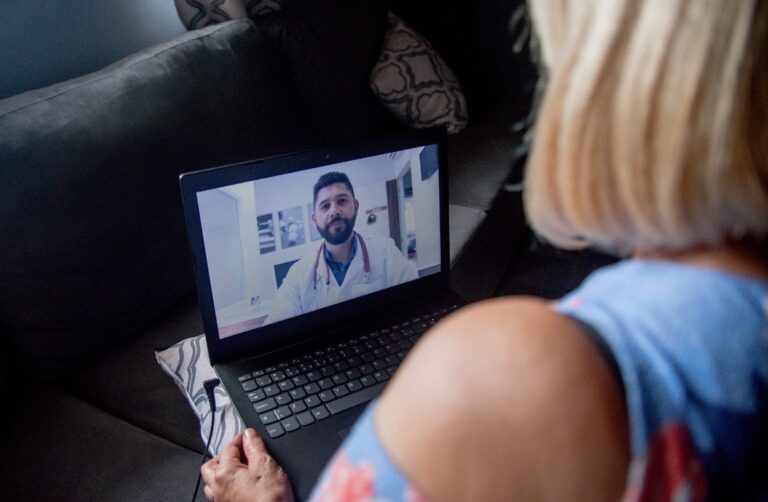
If you’re going through menopause and have questions about your bone health, you don’t need to wait for a diagnosis or a fracture to start the conversation. Whether you’re concerned about risk factors like early menopause or a strong family history of osteoporosis, wondering if it’s time for a DEXA scan, or curious about whether MHT could be a good fit, reaching out can help bring peace of mind.
Here at QuickMD, we make that conversation easy. Our doctors understand women’s health and can help you figure out whether MHT, lifestyle changes, or a combination could work best for your bone health, your symptoms, and your life.
Frequently asked questions about menopause and osteoporosis
How fast do you lose bone density during menopause?
The steepest decline typically happens during late perimenopause through early postmenopause. During that roughly 5 to 7-year window, some women lose up to 20% of their bone density. Because this loss is silent and gradual, most women don’t realize it’s happening without screening.
Can you rebuild bone after menopause?
Some rebuilding is possible with weight-bearing exercise, getting enough calcium and vitamin D, and medications like bisphosphonates or menopause hormone therapy (MHT). While you won’t get back to your peak bone mass, you can make meaningful gains and slow further loss.
Can menopause hormone therapy (MHT) prevent osteoporosis?
Yes, MHT is effective in preventing bone loss and reducing the risk of fractures, especially when started within a few years of your final period. While MHT helps prevent osteoporosis, it isn’t right for everyone. You’ll want to talk with your doctor to weigh the benefits and risks based on your health history.
Disclaimer
Articles on this website are meant for educational purposes only and are not intended to replace professional medical advice, diagnosis or treatment. Do not delay care because of the content on this site. If you think you are experiencing a medical emergency, please call your doctor immediately or call 911 (if within the United States). This blog and its content are the intellectual property of QuickMD LLC and may not be copied or used without permission.
References
Mayo Clinic. Osteoporosis. (2024). https://www.mayoclinic.org/diseases-conditions/osteoporosis/symptoms-causes/syc-20351968
Keen, M.U., Reddivari, A.K.R. (2023). StatPearls: Osteoporosis in females. National Library of Medicine (NIH). https://www.ncbi.nlm.nih.gov/books/NBK559156/
Finkelstein, J.S., Brockwell, S.E., Mehta, V., et al. (2008). Bone mineral density changes during the menopause transition in a multiethnic cohort of women. The Journal of Clinical Endocrinology & Metabolism. 2008;93(3):861-868. https://www.ncbi.nlm.nih.gov/pmc/articles/PMC2266953/
Weiss, C. (2022). Mayo Clinic Q and A: Osteoporosis and supplements for bone health. Mayo Clinic News Network. https://newsnetwork.mayoclinic.org/discussion/mayo-clinic-q-and-a-osteoporosis-and-supplements-for-bone-health/
Lee, S.R., Kim, T., Chae, H., et. al. (2020). The 2020 Menopausal Hormone Therapy Guidelines. Journal of Menopausal Medicine. 2020;26(2). https://pmc.ncbi.nlm.nih.gov/articles/PMC7475284/
Makary, M.A., Nguyen, C.P., Høeg, T.B., Tidmarsh, G.F. (2025). Updated labeling for menopausal hormone therapy. JAMA. https://jamanetwork.com/journals/jama/fullarticle/2841321
QuickMD has strict referencing policies and relies on reputable sources, including peer-reviewed research, clinical guidelines, medical organizations, and government and public health agencies, among others. Learn more about how we ensure accuracy in our content by reading our editorial guidelines.