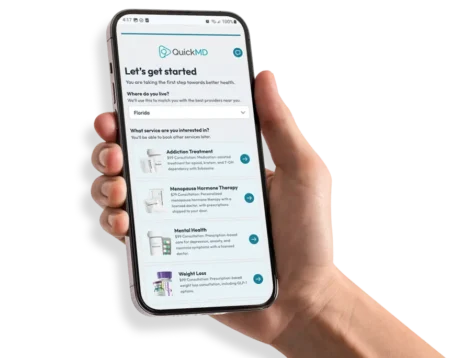
Available 7 days a week
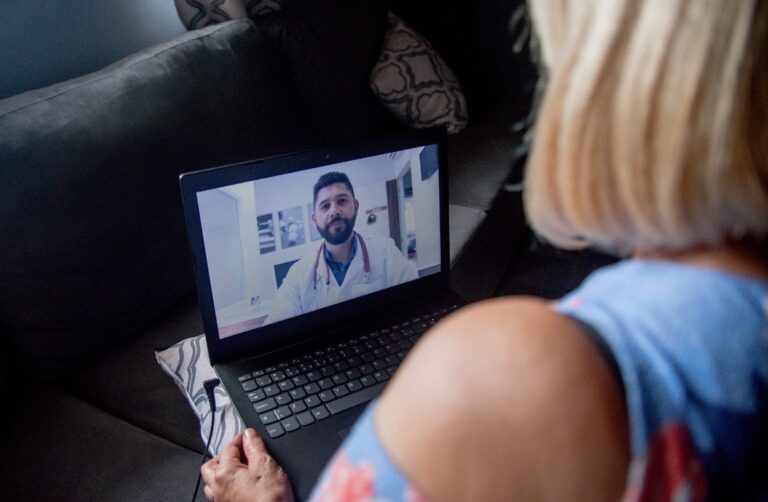
Book an appointment on your schedule – including weekends. No waiting weeks for a clinic opening.
Reduce perimenopause and menopause symptoms with affordable medical care you can access privately online.
Medications require consultation with a licensed QuickMD doctor, who determines treatment eligibility. QuickMD recommends menopause hormone therapy patients get a mammogram at least every two years. Those with a personal or family history of breast cancer should consult their doctor before starting treatment.

Pay $99 per visit. No subscription. No commitments.
Talk to a doctor who understands what your body’s going through. Get guidance and answers now.
Get safe, effective treatments that actually help you feel better, including testosterone with proper testing when appropriate.
Book a visit, get treated fast, and have your medication delivered straight to your door with free 2-day shipping.
Work with a doctor who listens and gets it. No more feeling dismissed or figuring it out alone.

Hormone therapy, with estrogen alone or combined with progesterone, has been shown in clinical trials to reduce hot flashes and night sweats by about 75%. It’s considered the most effective treatment for these symptoms and can improve your quality of life during menopause.*
*A 2023 JAMA review found systemic estrogen therapy, alone or with progesterone, cut hot flashes and night sweats by ~75%. The North American Menopause Society confirms hormone therapy is the most effective option, especially for women under 60 or within 10 years of menopause.
Proven medications at an affordable price, delivered right to your door.
You may qualify for hormone therapy if you are experiencing moderate to severe menopausal symptoms that disrupt daily life. These symptoms can include hot flashes, night sweats, insomnia, mood changes, vaginal dryness, irregular bleeding, or memory and concentration difficulties.
Eligibility also depends on your overall health and medical history. For example, women without a uterus may be prescribed estrogen-only therapy, while those with a uterus require combined estrogen and progesterone therapy to protect the uterine lining from overgrowth.
When starting hormone therapy, doctors usually recommend a comprehensive evaluation, including blood tests (CBC, CMP, lipid panel, thyroid, Vitamin D, and others) to tailor the safest treatment plan. Ultimately, whether you qualify depends on a discussion with your healthcare provider, balancing your symptoms, risks, and personal health goals.
Yes. Menopause hormone therapy (MHT) is considered safe for most healthy women, especially if started within 10 years of menopause or before age 60. Earlier studies in the early 2000s raised concerns about risks, but more recent evidence shows that the benefits often outweigh risks when therapy is personalized. For low-risk women, MHT can safely:
However, MHT is not for everyone. Women with a personal history of breast, ovarian, or endometrial cancer, a strong family history of breast cancer, a history of blood clots, stroke, heart disease, liver disease, or untreated high blood pressure should not take MHT. Long-term use beyond age 60 can be appropriate in some cases, with regular monitoring (mammograms, colon screenings). Safety comes from therapy that is individualized, closely monitored, and reassessed yearly with your provider.
Hormone therapy works by replacing the estrogen (and sometimes progesterone and testosterone) that the body no longer produces after menopause. This helps restore balance and relieve symptoms caused by fluctuating or depleted hormone levels.
Specifically, MHT:
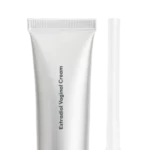
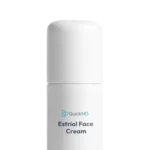
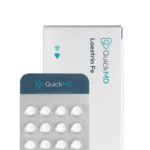
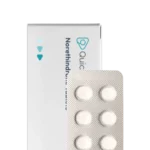
Estrogen can be delivered through oral tablets, skin patches, creams, gels, sprays, or vaginal rings. Progesterone is added if you still have a uterus to prevent uterine lining complications. In some cases, testosterone may also be prescribed to help with libido, energy, or muscle health.
In short, MHT targets the root hormonal imbalance of menopause, not just the symptoms, making it one of the most effective treatments available.
Menopause hormone therapy (MHT), also often referred to as hormone replacement therapy or HRT, replenishes estrogen, progesterone, and sometimes testosterone that decline during perimenopause and menopause. The North American Menopause Society and the American College of Obstetricians and Gynecologists recognize it as the most effective treatment for hot flashes and night sweats, the symptoms it is most strongly proven to treat. Many patients also notice improvement in sleep and other symptoms, since those are often linked to hot flashes and night sweats.
Hormone therapy is not appropriate for everyone. You should discuss it with a doctor if you have a personal or family history of breast cancer, blood clots, stroke, or certain cardiovascular conditions. If you still have your uterus and are prescribed estrogen alone, your doctor will also prescribe progesterone, since taking estrogen alone can raise the risk of changes to the uterine lining over time. During your QuickMD visit, a licensed doctor will review your medical history and determine whether MHT is a safe option for you. We also recommend that MHT patients get a mammogram at least every two years.
Many patients notice improvement in hot flashes and night sweats within two to four weeks of starting treatment. Full relief typically takes up to three months as hormone levels stabilize. Individual results vary based on the type of therapy, dosage, and your body’s response. Your QuickMD doctor will adjust your plan during follow-up visits if needed.
Untreated menopause symptoms can affect sleep, mood, energy, bone density, cardiovascular health, and quality of life. Long-term estrogen decline is associated with increased risk of osteoporosis and bone fractures. For eligible patients, MHT addresses these risks while relieving symptoms. Your QuickMD doctor can help you weigh the benefits and risks based on your specific health history.
There is no fixed rule requiring all patients to stop hormone therapy after 10 years. Current guidance from the North American Menopause Society recommends that duration of use be individualized based on the patient’s symptoms, health history, and risk factors. Some women continue therapy beyond 10 years with ongoing physician oversight. Your QuickMD doctor will review your treatment plan at each visit.
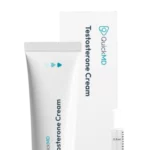
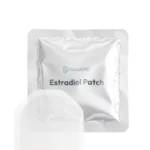
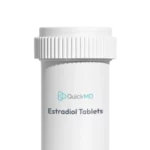
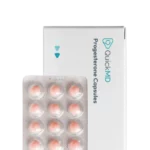
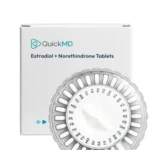
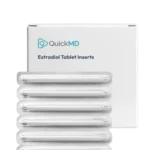
A QuickMD visit costs $99 with no subscription required. Medication costs vary by type prescribed. Through QuickMD Home Delivery, 30-day supplies start at $29 for estradiol tablets, $39 for progesterone capsules, $69 for testosterone cream, and $89 for estradiol patches. Other hormone therapy options range from $29 to $89 per month. All medication orders include free 2-day shipping. No insurance required.
You may have heard the term “estradiol” when learning about hormone therapy…

If hot flashes, sleepless nights, or mood swings that seem to come…

Are hot flashes keeping you planted in front of a fan? Is…