What you’ll learn
We’ll walk you through nine effective approaches to treating anxiety. Among other options, we’ll explain more about talk therapies, lifestyle strategies, and non-controlled medication options, so you can make informed decisions about your mental health care.
According to the Anxiety and Depression Association of America (ADAA), anxiety is the most common mental illness experienced in the United States, affecting a staggering 19.1% of the population every year. That’s nearly 1 in 5 Americans.
As awareness around mental health has grown, so have the options for treating it. Benzodiazepines have historically been associated with anxiety treatment, and while they can provide short-term relief, they come with real concerns: they can be habit-forming and address symptoms rather than root causes.
There are many other effective paths forward. Most psychologists advocate for a more holistic approach that also involves non-medication therapies. This article explores nine of them.
Different types of anxiety
Before we cover some of the different approaches to treatment, it’s important to note that the term “anxiety” covers a broad range of conditions. Anxiety isn’t one-size-fits-all. It shows up in different ways for different people. For instance:
- Generalized anxiety disorder (GAD) involves persistent, hard-to-control worry about everyday things.
- Social anxiety disorder centers on intense fear of social situations and being judged by others.
- Panic disorder is characterized by sudden, recurring episodes of overwhelming fear, often accompanied by physical symptoms like chest tightness, shortness of breath, or a racing heart. When these symptoms appear, they’re often referred to as “panic attacks.” They come on quickly, often pass soon after, and can be triggered even when there doesn’t seem to be any immediate danger. These attacks aren’t life-threatening, but can be pretty jarring when they strike.
It’s also worth knowing that anxiety and depression frequently co-occur and are often treated together, since the two conditions share overlapping symptoms and underlying causes.
Non-controlled medications for treating anxiety
When medication is part of the conversation, it helps to understand what you’re being offered and why.
- Controlled substances are medications that the government regulates more strictly because of their potential for dependence or misuse. Benzodiazepines fall into this category.
- Non-controlled medications are those that do not carry the same risk of dependence and are generally considered safer for longer-term use. For anxiety, non-controlled medications are typically the preferred starting point.
Let’s take a closer look at some of the different medications used to treat anxiety.
SSRIs and SNRIs: First line-medication options
When medication is used to treat anxiety, two of the most popular options are SSRIs and SSNRIs.
- Selective serotonin reuptake inhibitors (SSRIs) are considered the first-line medication treatment for most anxiety disorders, including GAD, social anxiety, and panic disorder. They work by increasing the availability of serotonin in the brain, a neurotransmitter involved in mood regulation. Commonly prescribed SSRIs include Zoloft (sertraline), Lexapro (escitalopram), Paxil (paroxetine), and Celexa (citalopram).
- Serotonin-norepinephrine reuptake inhibitors (SNRIs) are another strong option, particularly when anxiety is accompanied by physical symptoms like pain or fatigue. Examples include Effexor XR (venlafaxine) and Cymbalta (duloxetine).
Both SSRIs and SNRIs are taken daily. They are not effective on an as-needed basis, and it’s important to know that results don’t happen overnight. Medications are typically started at a low dose and gradually increased. Many patients notice a temporary uptick in anxiety during the first one to two weeks of treatment. This is common and expected, and it is not a sign that the medication isn’t working. It’s important to give it time. For people also in opioid recovery, our guide to taking antidepressants with Suboxone® explains how these medications work together and what your doctor will monitor.
It’s also worth noting that bupropion, while sometimes used for depression, is generally avoided as a primary anxiety treatment because it can worsen anxiety symptoms in some patients.
Hydroxyzine for acute anxiety
For more immediate relief during acute anxiety episodes, hydroxyzine can be a helpful option. You might see it sometimes offered under the brand names Atarax or Vistaril. It is a non-addictive antihistamine and works best when paired with coping strategies like breathing exercises and mindfulness practice.
Monitoring matters
Good anxiety care doesn’t stop at the prescription. At QuickMD, patients starting a new medication are typically seen at four weeks to check in on side effects and again at eight weeks to assess how well the medication is working. Clinicians use standardized tools like the GAD-7 questionnaire at every visit to track and measure progress over time.
Your doctor and care team will also monitor for less common but important reactions, including signs of treatment-emergent mania, which can occasionally occur in patients with undiagnosed bipolar disorder who start antidepressants.
Therapy for anxiety
Anxiety can be triggered by a traumatic life event, a major life change, the loss of someone you love, or a combination of factors that build over time. It can also seem to appear out of nowhere, with no clear single cause.
Talking therapies, like counseling, give people a space to unpack those experiences and explore their reactions to them. By working through difficult moments with a trained professional, people often become aware of unhelpful thought patterns and coping strategies and begin to make meaningful changes. Many patients find talking therapies to be just as effective as medication, if not more so.
Cognitive behavioral therapy (CBT)
Cognitive behavioral therapy (CBT) focuses on identifying and challenging the thought patterns that fuel anxiety. The idea is straightforward: our thoughts shape our feelings. When anxious thoughts are distorted or disproportionate, they can spiral into overwhelming emotions and behaviors.
A therapist helps you recognize those patterns and replace them with more balanced, realistic thinking. Cognitive therapy is one of the most well-studied approaches to anxiety treatment. Research supports its effectiveness across multiple anxiety disorders, including GAD, social anxiety, and panic disorder.
Behavioral therapy
Behavioral therapy addresses the actions and avoidance patterns that anxiety often creates. When something feels threatening, the natural response is to steer clear of it. But avoidance tends to reinforce anxiety over time, making the feared situation feel even more overwhelming.
Behavior therapy, often paired with cognitive approaches in CBT, uses techniques like gradual exposure to help people face feared situations in a structured, supported way. Over time, this reduces the anxiety response and helps a person build confidence.
Natural remedies for anxiety
Medication and therapy aren’t the only tools available that can help with anxiety. Lifestyle-based approaches can also play a strong supporting role in managing anxiety. In fact, for some people, they can make a big difference on their own. Things like mindfulness, regular movement, and quality sleep help regulate the body’s stress response in ways that complement clinical treatment. Think of them as building a stronger foundation for everything else.
Practicing mindfulness
“Mindfulness” has become a popular buzzword among health and wellness circles, but its meaning can sometimes feel a little blurry. At its core, mindfulness is about being present. It’s the practice of noticing what’s happening in your thoughts, body, and surroundings right now, without judging it.
Mindfulness can be broken down into three simple steps:
- Pause and become aware of the present moment.
- Focus on your breathing.
- Bring attention to your whole body.
What makes mindfulness particularly useful for anxiety is that it helps you catch an anxious thought before it snowballs. It slows things down just enough to create space between a stressor and your reaction to it. Most therapists actively incorporate mindfulness into anxiety treatment, so if you’re already working with a counselor or psychologist, it will likely come up in your sessions.
Breathing exercises
One of anxiety’s most uncomfortable physical symptoms is disrupted breathing. You might feel your chest tighten, your breath quicken, or find yourself on the edge of hyperventilation. The good news is that breathing is something you can actively control, and doing so can calm both your body and your mind.
The goal of any breathing exercise is to slow things down. A few techniques worth trying:
- Diaphragmatic (belly) breathing: Inhale slowly through your nose for 4 counts, letting your belly expand. Exhale slowly through your mouth for 4 counts. Repeat.
- 4-7-8 breathing: Inhale for 4 counts, hold for 7, exhale for 8. This method is often recommended specifically for acute anxiety and stress.
- Box (or square) breathing: Inhale for 4 counts, hold for 4, exhale for 4, hold for 4. It’s a technique used by everyone from athletes to military personnel to manage stress under pressure.
These exercises sound simple, and they are. That’s part of what makes them effective.
Exercise and physical activity
Regular physical activity is one of the most well-supported non-medication approaches to managing anxiety. When you exercise, your body releases endorphins and other neurochemicals that improve mood and reduce the body’s stress response. Even moderate movement, like a brisk walk, has been shown to make a measurable difference.
Beyond the immediate mood lift, regular exercise over time helps regulate the nervous system and can reduce the baseline level of anxiety a person experiences day-to-day. You don’t have to run a marathon. Aim for at least 30 minutes of moderate activity most days of the week and pay attention to how you feel.
Sleep and proper nutrition
Sleep and anxiety have a complicated relationship. Anxiety can make it harder to sleep, and poor sleep can make anxiety worse. Breaking that cycle is an important part.
Research consistently shows that not getting enough sleep amplifies the brain’s response to stress, making it harder to regulate emotions and think clearly. Aiming for 7 to 9 hours of quality sleep per night is a meaningful target. For those whose minds race at bedtime, try establishing a consistent wind-down routine: dim the lights an hour before bed, put your phone in another room, try a brief body scan or breathing exercise, and avoid caffeine after midday.
Nutrition matters, too. While no single food is a “cure,” some dietary choices can help ease anxiety. Foods rich in magnesium (like leafy greens, nuts, and seeds), omega-3 fatty acids (like salmon and walnuts), and complex carbohydrates can support mood stability. On the flip side, caffeine and alcohol are well-known anxiety triggers for many people, often making symptoms feel more intense or harder to predict.
Avoiding triggers
Understanding what sets off your anxiety can help you better manage it. Common triggers include certain social situations, news and media consumption, specific people, work stress, or physical sensations like caffeine or lack of sleep. Not all triggers are obvious at first, which is one reason journaling (more on that below) can be helpful.
When you know your triggers, you can take practical steps: setting limits on news consumption, creating boundaries around stressful relationships, or planning ahead before entering situations you know are difficult. Of course, not every trigger can be avoided. When you encounter one unexpectedly, having a go-to coping tool ready (whether that’s a breathing exercise, a grounding technique, or a quick text to someone you trust) can help you move through it without getting swept away.
Journaling
Writing down your thoughts can be a helpful tool for managing anxiety. Journaling gives anxious thoughts somewhere to go, taking them out of your head and putting them on paper, where they often feel more manageable and less overwhelming.
Regular journaling can also help you spot patterns over time, like recurring triggers or situations where your anxiety tends to spike. Even a few minutes a day can be enough. There’s no right or wrong way to do it. Some people prefer free-writing, while others find structured prompts helpful, like “What am I worried about today, and what is actually within my control?”
How QuickMD can help treat anxiety
Managing anxiety is not a one-size-fits-all journey, but you do not have to figure it out alone. The right approach can include a combination of strategies, including therapy and lifestyle changes, or medication and mindfulness. Progress and how you get there looks different for everyone, and that’s okay.
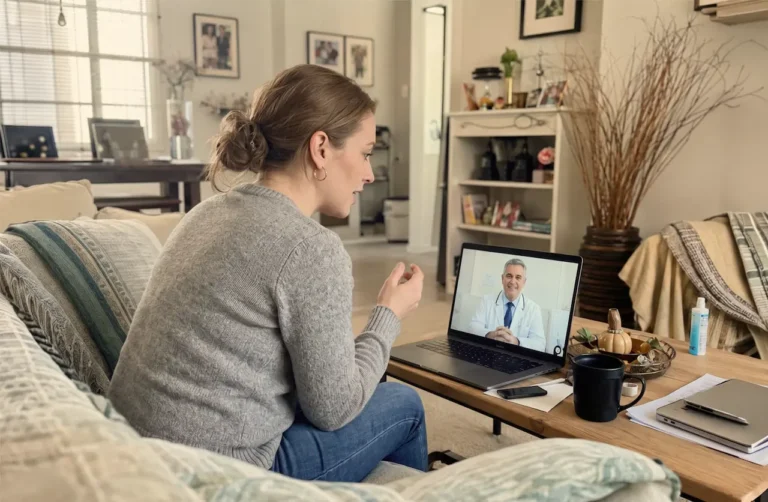
QuickMD makes it easier to take that first step. Through convenient telemedicine visits, you can connect with a licensed doctor from the comfort and privacy of your own home. No waiting rooms. No commuting.
Disclaimer
Articles on this website are meant for educational purposes only and are not intended to replace professional medical advice, diagnosis or treatment. Do not delay care because of the content on this site. If you think you are experiencing a medical emergency, please call your doctor immediately or call 911 (if within the United States). This blog and its content are the intellectual property of QuickMD LLC and may not be copied or used without permission.
References
Anxiety & Depression Association of America (ADAA). (2025). Anxiety Disorders – Facts & Statistics. https://adaa.org/understanding-anxiety/facts-statistics
Mayo Clinic. (2017). Generalized anxiety disorder. https://www.mayoclinic.org/diseases-conditions/generalized-anxiety-disorder/symptoms-causes/syc-20360803
Mayo Clinic. (2021). Social anxiety disorder (social phobia). https://www.mayoclinic.org/diseases-conditions/social-anxiety-disorder/symptoms-causes/syc-20353561
Mayo Clinic. (2026). Panic attacks and panic disorder. https://www.mayoclinic.org/diseases-conditions/panic-attacks/symptoms-causes/syc-20376021
APA. (2017). What is Cognitive Behavioral Therapy? https://www.mayoclinic.org/diseases-conditions/panic-attacks/symptoms-causes/syc-20376021
Hoffman, S., Asnaani, A., Vonk, I., Sawyer, A., Fang, A. (2013). The Efficacy of Cognitive Behavioral Therapy: A Review of Meta-analyses. Cognit Ther Res. 2012 Jul 31;36(5):427–440. https://pmc.ncbi.nlm.nih.gov/articles/PMC3584580/
Torrico, T., Opland, C. (2024). StatPearls: Behavioral Therapy. National Library of Medicine. https://www.ncbi.nlm.nih.gov/books/NBK609098/
Cleveland Clinic. (2023). Exposure therapy. https://my.clevelandclinic.org/health/treatments/25067-exposure-therapy
Cleveland Clinic. (2022). Diaphragmatic breathing. https://my.clevelandclinic.org/health/articles/9445-diaphragmatic-breathing
Weil, A. (2022). Three Breathing Exercises And Techniques. https://www.drweil.com/health-wellness/body-mind-spirit/stress-anxiety/three-breathing-exercises-and-techniques/
Gotter, A. (2025). Box breathing. Healthline. https://www.healthline.com/health/copd/box-breathing
AADA. (2026) Exercise for Stress and Anxiety. https://adaa.org/living-with-anxiety/managing-anxiety/exercise-stress-and-anxiety
APA. (2013). Stress and sleep. https://www.apa.org/news/press/releases/stress/2013/sleep
Naidoo, U. (2019). Nutritional strategies to ease anxiety. Harvard Health. https://www.health.harvard.edu/blog/nutritional-strategies-to-ease-anxiety-201604139441
Mayo Clinic. (2026). Hydroxyzine (oral route). https://www.mayoclinic.org/drugs-supplements/hydroxyzine-oral-route/description/drg-20311434
QuickMD has strict referencing policies and relies on reputable sources, including peer-reviewed research, clinical guidelines, medical organizations, and government and public health agencies, among others. Learn more about how we ensure accuracy in our content by reading our editorial guidelines.