What you’ll learn
We’ll cover what estrogen supplements are, which ingredients may help with menopause symptoms, what the research shows, and when menopause hormone therapy may be more effective.
Ever find yourself five browser tabs deep into supplement reviews, wondering if black cohosh or maca root is going to be the thing that finally puts an end to the hot flashes? Join the club of supplement sleuths just looking for a straight answer in all the marketing hype and studies. Every supplement aisle and search result seems to promise something different, and sorting through all of it is exhausting.
Some supplements can take the edge off certain symptoms, and the relief can often be modest. However, products that promise to “boost estrogen” or “balance your hormones naturally” rarely deliver what they’re implying. They may act on your brain or other pathways to relieve symptoms, but don’t restore estrogen the way hormone therapy does.
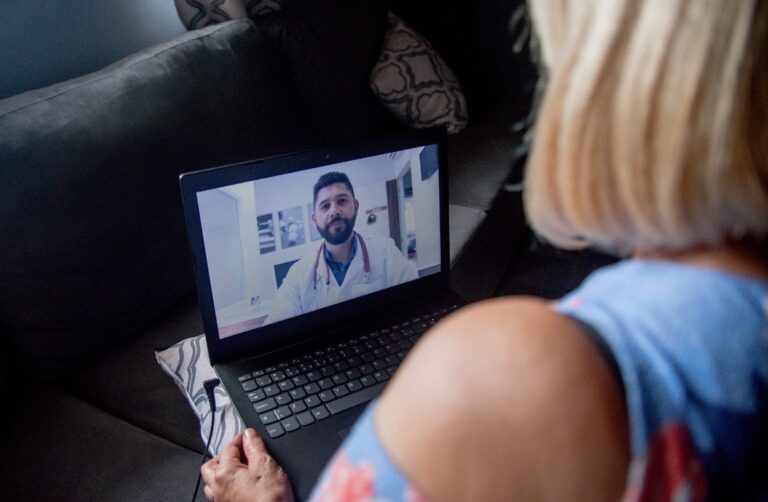
Knowing what the research says can save you money and a lot of wasted hope. If you need help cutting through the noise, our doctors here at QuickMD can walk you through what’s worth trying based on your symptoms, your health history, and preferences.
Why estrogen levels drop during menopause
Estrogen levels usually start to drop during perimenopause, the transitional stretch when your ovaries start producing less estrogen and progesterone. That’s what drives the unpredictable periods and unwelcome symptoms like hot flashes. By the time you reach menopause (which is confirmed after 12 full months without a period), your ovaries have significantly slowed down hormone production. The lead-up to menopause plays out a little differently for every woman, but the underlying processes are the same.
That gradual slowdown is how most women experience estrogen decline, but it’s not the only way it happens:
- Surgical menopause happens when your ovaries are removed, which causes estrogen to drop all at once instead of tapering over years.
- Certain medical treatments like chemotherapy or pelvic radiation, can damage the ovaries and push estrogen loss earlier or make it more abrupt.
- Premature ovarian insufficiency means the ovaries stop functioning normally before age 40. It affects about 1 in 100 women and is sometimes called premature menopause.
Whatever the cause, lower estrogen levels lead to symptoms such as hot flashes, night sweats, sleep disruption, mood changes, brain fog, vaginal dryness, and shifts in libido. That’s a lot happening at once, and it pushes most women to start looking for something to help. Supplements are usually the first place people land, partly because they’re everywhere and partly because they don’t require a prescription. But whether they actually do anything meaningful for raising estrogen levels is a different question.
Can supplements really increase estrogen?
Most supplements don’t increase estrogen the way you might be picturing. A lot of what gets marketed as “estrogen boosting” is phytoestrogens. These are plant-based compounds found in things like soy that can interact with your estrogen receptors. Think of them less like a refill of estrogen and more like something that weakly mimics estrogen in your system. Your body may respond to that with some symptom relief, but it’s not the same as restoring what your ovaries are producing less and less of.
Other supplements help indirectly by supporting things like sleep, stress, or mood. This can make menopause symptoms feel more manageable, even though they’re not touching your estrogen levels at all.
If your symptoms are mild or you’re earlier in the transition, supplements might genuinely take the edge off. If you’re dealing with more severe symptoms or need reliable, consistent relief, menopause hormone therapy (MHT) is an entirely different level of treatment. Both have a place, but which one makes sense depends on your age, your health, how far from menopause you are, and how severe your symptoms are.
What the research says about estrogen boosting supplements
The research on estrogen boosting supplements shows mixed results, and that’s part of what makes this so frustrating to sort through. Some women do find relief, especially with symptoms like milder hot flashes or low libido. But, as Dr. Sheryl Ross (Dr. Sherry), our Chief Medical Officer of Women’s Health here at QuickMD, puts it, “the medical studies are limited and inconsistent in showing their effectiveness.”
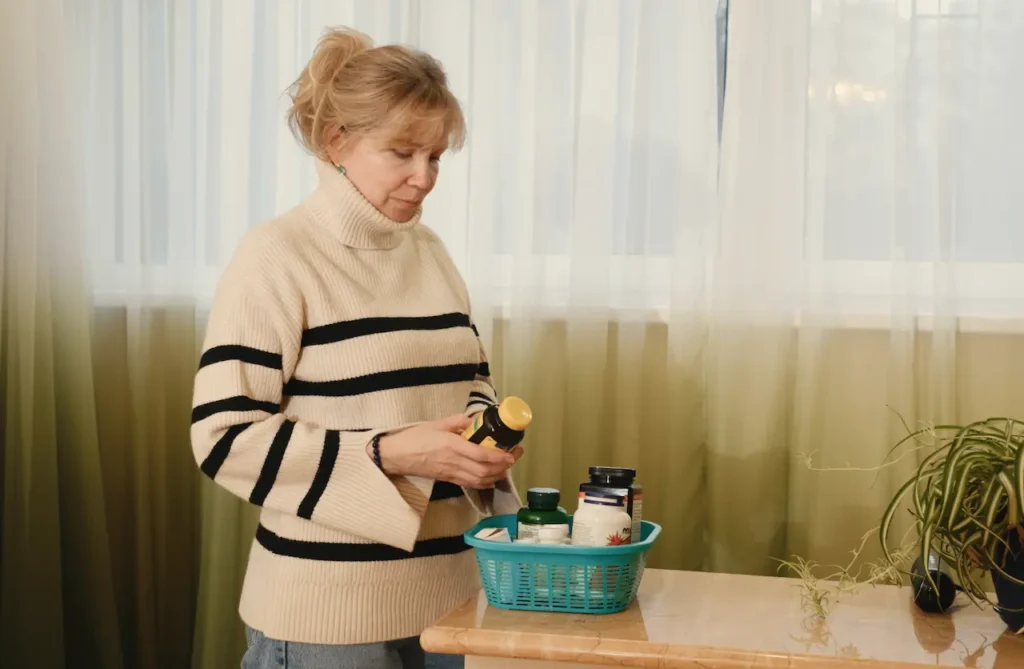
Before you start shopping, know that supplements aren’t held to the same standards as prescription medications. They skip the rigorous safety and efficacy testing that hormone therapy goes through, and what’s on the label doesn’t always match what’s in the bottle. Dosing and potency vary across brands, so look for companies that use third-party testing like the United States Pharmacopeia (USP) USP or NSF International.
Although herbs are not FDA-approved like pharmaceutical medications, well-regulated supplements can be effective in managing perimenopausal symptoms.
Let’s take a closer look at some of the most popular natural supplements on the market and give you the straight scoop on whether they can help with menopause and perimenopause symptoms.
Black cohosh
Black cohosh is one of the most commonly tried supplements for hot flashes. Some research shows it may reduce hot flash frequency, though the evidence isn’t consistent across studies. It doesn’t appear to raise estrogen levels directly, and researchers think it works through other mechanisms that aren’t fully understood yet.
Bottom line: Give it a short trial if hot flashes are your primary complaint. If nothing changes, don’t keep throwing money at it.
Soy Isoflavones
Soy contains plant-based compounds called isoflavones, which are phytoestrogens that interact weakly with estrogen receptors. Research suggests these may modestly reduce hot flashes, particularly in early menopause or when symptoms are on the milder side. Whole soy foods (tofu, edamame, tempeh) and isolated isoflavone supplements don’t always behave the same way in studies, though, so how you get your soy matters.
Bottom line: Adding soy foods to your regular diet is a low-risk starting point, and you may see more consistent benefits from food sources than from a capsule.
Red clover
Another isoflavone source, red clover, may have mild estrogen-like activity in the body. There’s less research here than for soy or black cohosh, and what exists is a mixed bag. However, some studies do point to potential hot flash relief.
Bottom line: A reasonable option if you’re drawn to plant-based approaches, but keep your expectations measured. This one falls solidly in “might help, might not” territory.
Maca root
Maca is a root vegetable traditionally used for energy and sexual health. Studies show mixed effects on estrogen levels, so the jury is still out on whether it directly influences hormones. Where maca seems to do its best work is as an adaptogen, helping your body manage stress in ways that support mood, energy, and libido during menopause. There’s some evidence it may help with hot flashes, too, but that research is thinner.
Bottom line: If what you’re after is help with libido, mood, or energy rather than hot flashes, maca may be the best choice on this list.
Chasteberry
Chasteberry (also called vitex) comes up more often in conversations about PMS and perimenopausal cycle irregularity than in postmenopausal symptom management. Some small studies show modest benefits for postmenopausal hot flashes, but the evidence is limited and not strong enough to make it a go-to for that purpose.
Bottom line: More useful when your cycles are still shifting, and symptoms are fluctuating. If you’re fully postmenopausal, it may take the edge off, but don’t expect too much.
DHEA
DHEA is different from the other options on this list because it’s a hormone precursor, meaning your body can convert it into estrogen, testosterone, and other hormones. That’s also why it needs more caution than the others on this list. Research results vary depending on the symptom and formulation, and because DHEA can directly influence hormone levels, it’s not appropriate for everyone.
Bottom line: This is not a casual supplement to grab off a shelf and start taking. Only use DHEA with your doctor’s guidance, especially if you have any hormone-sensitive conditions or take other medications.
Who should be cautious with estrogen supplements?
Being natural doesn’t automatically make supplements risk-free, especially for certain health situations. That doesn’t mean they’re off the table for you, but your personal or family health history may change what’s safe to try. Check in with your doctor before trying any supplements, but especially if you have:
- A personal or strong family history of hormone-sensitive cancer (breast, uterine, or endometrial), particularly in a first-degree relative like a parent or sibling.
- A history of blood clots, clotting disorders, stroke, or any unexplained clotting events.
- Liver disease or significant liver problems.
- Unexplained vaginal bleeding.
- Current medications that could interact, including blood thinners, certain antidepressants, thyroid medications, seizure medications, or other hormone therapies.
- Autoimmune disorders.
When supplements may not be enough, MHT can help
Supplements can be a solid starting point, especially if your symptoms are on the milder side. But there’s a big difference between “I get occasional hot flashes” and “If I don’t get more than 4 hours sleep tonight, I’m going to snap.” You may want to consider menopause hormone therapy (MHT) over supplements if:
- Hot flashes hit fast, hit hard, and keep sabotaging your days.
- Night sweats have you changing pajamas like it’s an ‘80s dress montage.
- Insomnia has you staring at your ceiling more than your phone.
- Vaginal dryness makes you painfully aware of every movement you make.
- Your sex drive left without saying goodbye.
- And on top of all that, you’re worried about bone loss or osteoporosis.
Sound familiar? Those are signs you may need MHT, and supplements alone probably aren’t going to cut it. MHT works differently from supplements because it addresses the root cause of symptoms by actually restoring the estrogen your body has slowed down on making. That’s why it’s considered the most effective option for hot flashes, night sweats, and the dryness and discomfort that can come with vaginal and urinary changes.
Like any medical treatment, MHT may have risks for some. However, for many healthy women, especially those who start before 60 or within 10 years of menopause, the benefits outweigh the risks. In fact, our understanding of MHT has come a long way. The FDA is now in the process of updating its guidance on some estrogen therapies after newer, more rigorous research has revealed that earlier studies had overstated risks, especially for healthy women under 60. That’s a big deal if you’ve been on the fence about hormonal treatment.
MHT isn’t the right call for everyone. Some women can’t take it because of their health history, and some just aren’t interested for personal reasons. If cost is part of what’s holding you back, that’s something our licensed doctors can talk through with you, because MHT is often more affordable than people expect.
If you’ve tried the gentler route and you’re still struggling, you can talk to one of our doctors to see if MHT is right for you.
Find real relief with personalized menopause care at QuickMD
If your symptoms are mild and manageable, supplements can absolutely be part of your plan. But when menopause symptoms start running the show, supplements can only do so much. Our licensed doctors can help you figure out whether MHT is the right move. At QuickMD, we specialize in menopause care and know what a difference the right approach can make. We’ll help you build an MHT plan around your symptoms, your health history, and what feels right for you.
Frequently asked questions about estrogen supplements
How long does it take for estrogen supplements to work?
If a supplement is going to help, most women notice relief within 2 to 6 weeks of consistent use. If you’ve given it 8 weeks at a reasonable dose and you don’t feel any meaningful change, it’s probably not the right supplement for you or your symptoms.
Are estrogen-boosting supplements effective for hot flashes?
Supplements like soy isoflavones and red clover show modest results for hot flashes, though the evidence is mixed. Some women find enough relief to make a difference, but supplements aren’t as reliable or consistent as prescription MHT. Pairing supplements with lifestyle changes that help with hot flashes can also make a difference.
Can supplements raise estrogen levels naturally?
Most supplements don’t raise estrogen levels in a direct, measurable way. Many are phytoestrogens that weakly mimic estrogen in the body, and others support things like sleep, stress, or mood, which can indirectly improve how you feel during menopause. DHEA is the exception, since your body can convert it into estrogen, but even then, the effects are subtle, individual, and need to be monitored by a doctor.
What’s the difference between estrogen supplements and menopause hormone therapy (MHT)?
Supplements may offer mild symptom support, but results vary, and dosing isn’t standardized across brands. MHT is a medical therapy that restores estrogen more directly, which is why it’s considered the most effective option for hot flashes, night sweats, vaginal and urinary dryness, and discomfort. If your symptoms are disrupting your sleep, your comfort, or your daily life, MHT is usually the more reliable path.
Disclaimer
Articles on this website are meant for educational purposes only and are not intended to replace professional medical advice, diagnosis or treatment. Do not delay care because of the content on this site. If you think you are experiencing a medical emergency, please call your doctor immediately or call 911 (if within the United States). This blog and its content are the intellectual property of QuickMD LLC and may not be copied or used without permission.
References
Chon, S.J., Umair, Z., Yoon, M.S. (2021). Premature ovarian insufficiency: past, present, and future. Frontiers in Cell and Developmental Biology. 2021;9(9):672890. https://www.ncbi.nlm.nih.gov/pmc/articles/PMC8141617/
Chen, M., Lin, C., Liu, C. (2014).. Efficacy of phytoestrogens for menopausal symptoms: a meta-analysis and systematic review. Climacteric. 2014;18(2):260-269. https://www.ncbi.nlm.nih.gov/pmc/articles/PMC4389700/
Tice, J.A., Ettinger, B., Ensrud, K., Wallace, R., Blackwell, T., Cummings, S.R. (2003). Phytoestrogen supplements for the treatment of hot flashes: the isoflavone clover extract (ice) study. JAMA. 2003;290(2):207. https://jamanetwork.com/journals/jama/fullarticle/196896
National Institutes of Health. (2020). Office of dietary supplements – black cohosh. https://ods.od.nih.gov/factsheets/BlackCohosh-HealthProfessional/
Meissner, H.O., Kapczynski, W., Lutomski, J. (2005). Use of gelatinized maca (lepidium peruvianum) in early postmenopausal women. International Journal of Biomedical Science : IJBS. 2005;1(1):33. https://pmc.ncbi.nlm.nih.gov/articles/PMC3614576/
Naseri, R., Farnia, V., Yazdchi, K., Alikhani, M., Basanj, B., Salemi, S. (2019). Comparison of vitex agnus-castus extracts with placebo in reducing menopausal symptoms: a randomized double-blind study. Korean Journal of Family Medicine. 2019;40(6):362-367. https://pmc.ncbi.nlm.nih.gov/articles/PMC6887765/
Chae, H. (2020). The 2020 menopausal hormone therapy guidelines. Journal of Menopausal Medicine. 2020;26(2). https://www.ncbi.nlm.nih.gov/pmc/articles/PMC7475284/pdf/jmm-26-69.pdf
FDA. (2025). HHS advances women’s health, removes misleading FDA warnings on hormone replacement therapy. https://www.fda.gov/news-events/press-announcements/hhs-advances-womens-health-removes-misleading-fda-warnings-hormone-replacement-therapy
Lin, H.Y., Chen, J.H., Chen, K.H. (2025). The sex hormone precursors dehydroepiandrosterone (DHEA) and its sulfate ester form (DHEAS): molecular mechanisms and actions on human body. International Journal of Molecular Sciences. 2025;26(17):8568. https://mdpi-res.com/ijms/ijms-26-08568/article_deploy/ijms-26-08568-v2.pdf?version=1757412427
QuickMD has strict referencing policies and relies on reputable sources, including peer-reviewed research, clinical guidelines, medical organizations, and government and public health agencies, among others. Learn more about how we ensure accuracy in our content by reading our editorial guidelines.