What you’ll learn
We’ll cover how menopause affects your sex drive and physical comfort, what treatment options are available, and when it’s time to talk to a doctor.
If you’ve ever scrolled through menopause forums or Reddit posts, you might recognize this sentiment: We always had an active sex life, then it was like a switch went off. Now, I don’t even want to think about initiating because I find no pleasure in it.
Whether it happens suddenly or gradually, this loss of libido is an incredibly common symptom of menopause, yet it often feels isolating. Hormonal shifts, physical changes, and everyday stress can all chip away at your desire for intimacy. This can feel confusing and deeply personal, even if you know, logically, that there are biological causes.
The upside is that you don’t have to accept this as a permanent change that closes the door on your sex life forever. There are a variety of options that can help with low libido and pain or discomfort during sex. A lot of women find that, with the right help, they’re able to rediscover pleasure and feel connected to their partner again.
Is low libido after menopause normal?
Low libido during and after menopause is a common symptom that frustrates many women. As Dr. Sheryl Ross (Dr. Sherry), our Chief Medical Officer of Women’s Health at QuickMD, explains, “Over 60% of women will report losing their libido.”
When hormone levels start changing, sex may feel uncomfortable and happen less spontaneously. Even when you want to have sex, getting in the mood can take longer than it used to.
You are being bombarded with physical and emotional symptoms that directly affect your mood in the bedroom.
The ripple effects on relationships can be significant. Dr. Sherry adds that “over 30% of women stop having sex altogether,” which can create strain between partners, especially when communication breaks down.
But you don’t have to let these changes dictate your sex life. Treatment options like oral and vaginal menopause hormone therapy (MHT), testosterone therapy, and lifestyle changes can all help you get your mojo back. With the right care, sex and intimacy can be yours again.
How menopause affects libido
If your interest in sex has changed since menopause, you can put most of the blame on the hormonal changes that happen to every woman. Menopause lowers both estrogen and testosterone, and each affects your sex life differently.
- Estrogen shapes the physical side of sex, including sensation, lubrication, and comfort. As estrogen drops, vaginal tissue becomes thinner, drier, and less elastic. Arousal can take longer, and sex may feel less comfortable than it used to. And when sex isn’t comfortable, you naturally won’t want it as much.
- Testosterone is more about the drive, motivation, and desire. Lower testosterone has more of an effect on the mental side of intimacy. You may notice you don’t get that spontaneous “let’s do it right now” urge as often. Instead, you need the right mood, the right moment, or more buildup to get there.
When both hormones shift, it can change how sex feels and how often you’re in the mood. The good news is that both the physical and mental sides of this equation can be treated.
Hormonal changes that impact desire
If you’re still interested in sex, but not as driven to initiate, that’s partly related to your testosterone levels. Lower testosterone affects motivation and desire at the brain level. That can look like:
- Spontaneous sexual thoughts happening less often.
- Things that used to excite you or get you in the mood not doing the trick anymore.
- Needing more warm-up time or a specific mood to feel turned on.
Lower estrogen levels cause changes that can indirectly dampen your sex drive. The most common ones include:
- Hot flashes and sudden sweating that kill the mood when they hit at the wrong time.
- Night sweats that leave you sleep deprived and too exhausted to think about sex.
- Mood swings and irritability that make it hard to feel close to your partner.
- Weight gain or body changes that shake your confidence in ways that carry over into the bedroom.
- Vaginal dryness that makes sex uncomfortable and unappealing.
These changes don’t look the same for everyone. Some women notice physical changes more. Others notice their desire fading first. If either is affecting your life or relationship, it can be treated.
Physical changes that can affect comfort during sex
If you’ve noticed dryness or that getting aroused takes longer, lower estrogen is usually the culprit. Estrogen keeps vaginal and clitoral tissue lubricated, elastic, and responsive.
When levels drop, the effects are often direct and physical:
- Vaginal tissue becomes drier, thinner, and more prone to irritation and tearing
- Blood flow to the vagina and clitoris decreases, reducing sensitivity
- Natural lubrication decreases, leading to friction and discomfort during sex
- Genital nerve response slows, which can mean delayed or less intense orgasms
If you feel pain or discomfort during sex, don’t ignore or try to push through it. These symptoms are common and very treatable. According to Dr. Sherry, “There are many treatment options, including vaginal estrogen or DHEA, internal moisturizers, lubricants, hormone therapy, and vaginal lasers that can help with these common symptoms of menopause that can affect your sexual experiences.” With the right support from your doctor, intimacy can feel good again.
Emotional and lifestyle factors that influence libido
While hormones play a role in your libido levels, they aren’t the full picture. Your emotional health, stress levels, and relationship dynamics matter just as much. Think about a time you were super stressed about work, or there was something heavy going on at home. Chances are, sex was one of the last things on your mind. That’s because when your brain is overloaded, it tunes out sexual cues.
Your desire is intertwined with your emotional headspace and what’s going on in your daily life. It’s common to have a low sex drive when:
- You’re just too drained from constant stress, exhaustion, or feeling burned out.
- Your mind is too full from worries about work, caring for others, or your own health.
- Your self-confidence has taken a hit from the physical changes that come with menopause.
- Sex has started to feel more like a chore than something you actually want.
All of this can put strain on your relationship, especially if your partner doesn’t fully understand what you’re going through. Talking openly about what’s changed and what still feels good can go a long way to prevent misunderstandings and hurt feelings. It doesn’t have to be a big formal conversation. Even small check-ins can help you both stay connected and on the same wavelength.
What can help improve sex and libido after menopause
Now that you know what’s behind these changes, the next step is figuring out what can help you. There are several directions you can go depending on the symptoms you’re dealing with. Most women benefit from a combination of approaches, including hormonal and non-hormonal treatments. We’ll walk you through how each of these works.
Menopause hormone therapy options
Menopausal hormone therapy (MHT) helps relieve many of the symptoms that affect your sex life and libido. MHT restores the estrogen, progesterone, or testosterone your body is producing less of right now. This can lead to greater physical comfort, improved vaginal health, and a better response to arousal.
The right type of MHT depends on your specific symptoms, health history, and personal goals. When low libido is a concern, your doctor might discuss one of these options:
- Systemic estrogen (pill, patch, gel, or spray) helps with whole-body symptoms like hot flashes, sleep issues, and vaginal dryness.
- Progesterone is used alongside estrogen for women who still have a uterus to protect their uterine lining. It can also improve sexual satisfaction indirectly by easing anxiety and improving sleep.
- Testosterone cream helps boost sexual motivation by improving mood, energy, and libido directly.
- Vaginal testosterone can help with low libido, painful intercourse, and vaginal atrophy. It’s sometimes recommended for women who can’t use estrogen, such as those on aromatase inhibitors for certain types of breast cancer.
Like any medical treatment, MHT has potential benefits and risks. For many healthy women, especially those who start treatment before age 60 or within 10 years of menopause, the benefits outweigh the risks.
If you’re thinking about MHT, understanding the benefits of hormone therapy can help you have a better conversation with your doctor about whether it’s right for you.
Vaginal estrogen and localized treatments
Taking estrogen during menopause can make a real difference for your sex life. “Estrogen plays a critical role in our female sexual response, especially in perimenopause and menopause,” says Dr. Sherry.
She explains that estrogen is responsible for “vaginal tissue sensitivity, elasticity, secretion, pH balance, establishing healthy microorganisms in the vagina, urinary continence, pelvic muscle tone, and joint mobility.” So when levels drop, you can feel it in a lot of ways, from dryness and discomfort to changes in sensation and arousal.
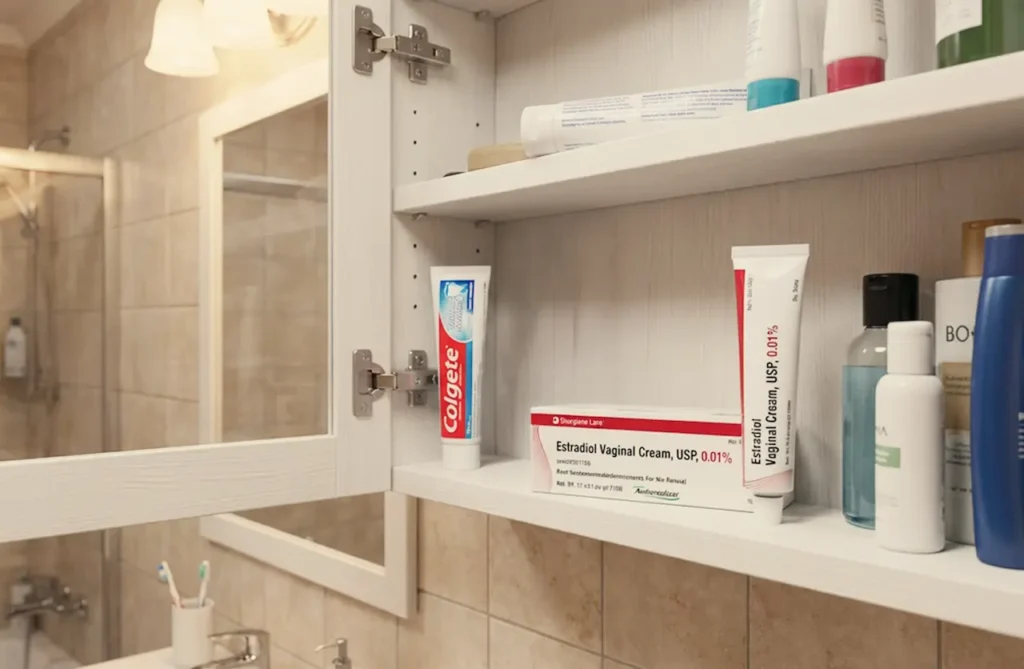
If your main issues are dryness or pain during sex, localized estrogen treatments work right where symptoms show up. They help restore moisture, elasticity, and comfort with very low absorption into the bloodstream. Localized estrogen comes in a few different forms:
- Vaginal cream is applied directly with an applicator a few times a week to rebuild healthy tissue and relieve dryness.
- Vaginal tablets (inserts) are a low-dose option placed in the vagina with a disposable applicator to restore moisture.
- Vaginal rings are soft, flexible rings inserted into the vagina that release a steady, low dose of estrogen for about three months.
If you can’t take estrogen due to an existing health condition, or if estrogen therapy hasn’t worked for you, vaginal laser therapy is another option. It’s a noninvasive treatment for vaginal atrophy that helps regenerate vaginal tissues and restore moisture. This is an in-office procedure that can be performed in about five minutes.
Non-hormonal and lifestyle support
Not every treatment has to involve hormones. There are practical, everyday changes that can make a difference in how you feel, both physically and in terms of desire. These can work on their own or alongside medical treatments:
- Pelvic floor therapy can improve muscle tone, sensation, and even orgasm intensity.
- DHEA supplements may help with vaginal dryness, according to limited research.
- Lubricants and moisturizers are simple, effective tools for dryness and comfort during sex.
- Ditch irritating products like douches and scented soaps that can throw off your vaginal pH and make dryness worse.
- Establish good sleep habits by having a consistent bedtime and wake routine and limiting caffeine and alcohol at night.
- Manage stress with mindfulness meditation, yoga, or breathing exercises.
- Stay active with regular movement, even if it’s just walking and light strength training. It supports circulation, mood, and energy, all of which feed into how you feel about sex.
- Follow a diet rich in omega-3s, leafy greens, nuts, and berries while cutting back on processed foods to help with energy and mood stability.
When it may be time to talk to a doctor
If sexual changes are causing you distress, pain, or are straining your relationship, it may be time to talk to your doctor. You might want to make an appointment if you’re experiencing any of the following:
- Avoiding intimacy because it feels more stressful than enjoyable.
- Ongoing pain or discomfort during sex that isn’t improving.
- Feeling anxious, worried, or guilty about your lower sex drive.
- A sudden and complete loss of sexual interest (rather than gradual).
- Significant tension in your relationship or difficulty talking to your partner about what’s going on.
- Intense mood changes or physical symptoms that are making daily life harder.
Talking about sex with a doctor can feel awkward, but these conversations are a normal part of their day. They’ve heard it all, and they’re not going to judge you. They’re there to help you figure out what’s going on and what your options are.
Ready to talk to someone today? Book a same-day visit with a licensed QuickMD doctor who specializes in sexual and menopausal health.
How QuickMD supports menopause and sexual health
Menopause changes things, but it doesn’t mean your sex life is over. Whether it’s hormone therapy, lifestyle changes, or just figuring out where to start, there are options that can help you feel more comfortable and connected in the bedroom.
Here at QuickMD, you can see a doctor from home, often the same day. Telemedicine visits mean no waiting rooms or awkward small talk in a paper gown. Just a real conversation about what you’re going through and what can help.
Frequently asked questions about menopause and libido
Can I take testosterone to help boost my sex drive?
Yes, testosterone therapy can help improve sex drive during perimenopause and menopause. Dr. Sherry recommends getting your levels checked first to see if low testosterone is a factor. She also notes that, “Even if your levels are normal, testosterone therapy has been shown to improve your sex drive in perimenopause and menopause.”
Can libido return after menopause?
Yes, it can. Many women see improvement once they address what’s behind the change, whether that’s something physical like hormone levels or dryness, or something emotional like stress, body image, or relationship dynamics. It may take a combination of approaches, including hormone therapy, but the important thing is you don’t have to just live with low libido.
Can I still enjoy sex after menopause?
Absolutely, but sex might look a little different than it used to. You may need more time to warm up, extra lubrication, or different positions. The key is being open with your partner about what feels good and what doesn’t work anymore. If dryness, pain, or low libido are getting in the way, those are all things a doctor can help with.
Can menopause affect intimacy even if sex isn’t painful?
Yes, hormonal shifts can change mood, sleep quality, body image, and your interest in sex, which can all affect how you connect with your partner. However, these are all treatable, and you can talk with your doctor about options like menopause hormone therapy (MHT) or other options.