If you’re having thoughts of suicide or you’re in crisis right now, call or text 988 to reach the Suicide and Crisis Lifeline, available by phone, text, and chat, 24 hours a day. In an emergency, call 911. Don’t wait to finish reading this page to get help.
What you’ll learn
We’ll cover what the law requires for an online antidepressant prescription. We’ll explain which medications our doctors do and don’t prescribe, and what a state licensing rule means for you. Then we’ll get into cost and how refills work once you’re already a patient.
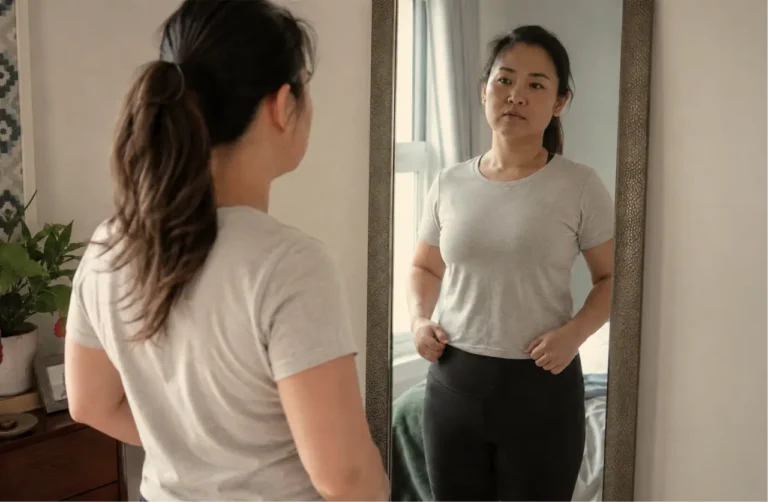
Deciding to get help for depression or anxiety is an important step, but getting an appointment can be another challenge entirely. Maybe you’ve faced a months-long wait, found that a psychiatrist isn’t accepting new patients, or lost touch with a doctor you relied on.
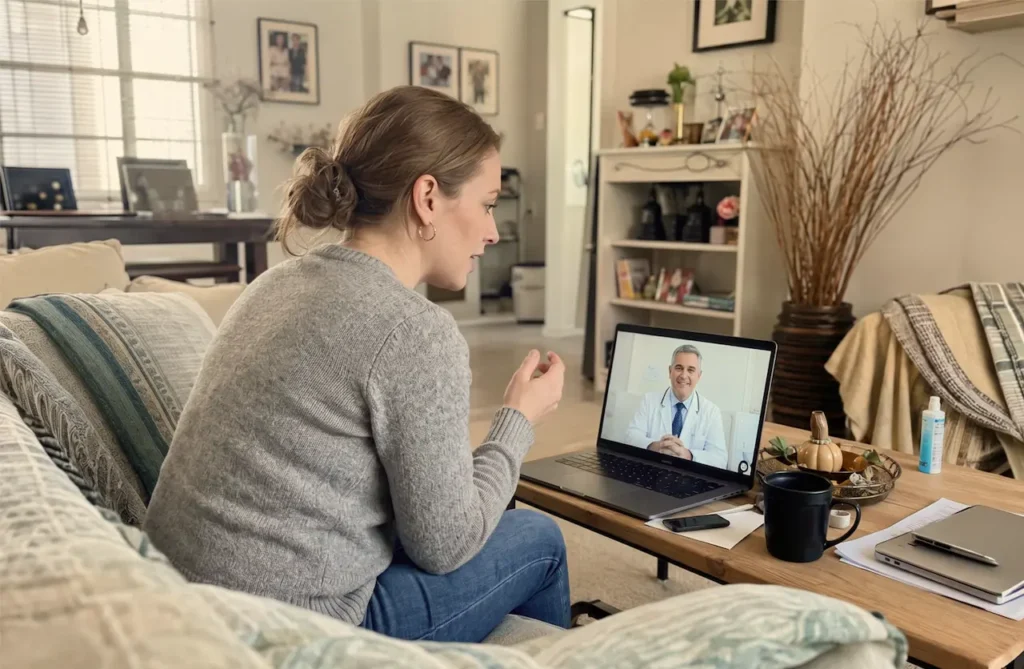
Whether you’re seeking treatment for the first time or returning to something that helped before, online care can offer another way forward. And if you’ve never tried it, you may be wondering whether an online visit is a real medical appointment where you can get legit treatment.
Yes, a licensed clinician can prescribe antidepressants online
A clinician licensed in most states can evaluate someone over a video visit and prescribe an antidepressant, with no in-person appointment required first when medically appropriate. The federal rule that requires an in-person visit applies to controlled medications, and the antidepressants covered here aren’t in that category.
A QuickMD visit for online mental health care is often available the same day. After your evaluation, your QuickMD doctor can send a prescription to your pharmacy, if appropriate, or arrange home delivery. Any treatment, including whether medication is prescribed, is based on your doctor’s evaluation and what they determine is right for your care.
What has to happen before you get a prescription online
Two things apply to every online antidepressant prescription no matter who writes it.
First, the doctor has to be licensed, or otherwise authorized, in the state where you physically are. Second, the doctor has to evaluate you and decide whether a prescription is appropriate. Those two requirements are the safeguards. A separate federal rule about controlled medications runs alongside them and often gets confused with them, so here’s what each one actually does.
The in-person rule you may have read about
If you’ve heard that you need to see someone in person before you can get anything prescribed online, it is partially true. That is a law for some medications, but it doesn’t cover antidepressants.
The Ryan Haight Online Pharmacy Consumer Protection Act, passed in 2008, says a practitioner generally needs “at least 1 in-person medical evaluation of the patient” before prescribing certain medications online. Those medications are controlled substances, like Xanax® and Adderall®. The antidepressants covered later in this piece aren’t controlled substances, so this rule doesn’t apply to them.
A few newer medications approved for depression are federally controlled, though. However, those aren’t among the ones our doctors prescribe.
The law also includes an exception for practitioners providing telemedicine, meaning an in-person visit isn’t required in every circumstance.
If you’ve seen headlines about a prescribing deadline
You may have read that a pandemic-era rule allowing remote prescribing is about to expire. The temporary federal rule lets doctors prescribe controlled medications remotely without the in-person evaluation the law otherwise requires, and as of this writing, it runs through the end of December 2026.
However, as mentioned, it applies only to controlled medications. The antidepressants mentioned below aren’t affected by it, so whatever happens to that deadline doesn’t change your access to them.
The real requirement: a doctor licensed in your state
State law treats medicine as practiced where the patient is, not where the doctor sits. That means the clinician treating you has to hold a license, or another form of authorization, in the state you’re in at the time of your visit. Interstate agreements and telemedicine-specific permissions can factor into that, too. For most patients, intake handles this without you ever having to think about it.
We’re currently licensed in 44+ states, as well as Washington, D.C. Telehealth rules can vary by state, including how the doctor-patient relationship is established and what’s required before medication can be prescribed. Wherever we operate, you’ll have a real evaluation with a doctor licensed in your state, and any treatment or prescription is based on that evaluation.
What changes if you move or travel
This comes up more than you’d expect. What counts is where you physically are during the appointment, not where you live or where a prescription was first written.
Moving states is the straightforward half. If you move, you need a clinician licensed in your new state, and that’s it. Travel is less simple. If you normally live in one state but you’re traveling in another, your clinician may not legally be able to conduct your scheduled visit from your temporary location. But state-specific exceptions and interstate pathways exist, so it isn’t a hard no in every case.
Your clinician also needs to know where you physically are, so local emergency resources are available if you need immediate help during or after the visit. The intake process asks where you are for exactly that reason. If you’re traveling, raise it before your visit rather than waiting to see if it comes up. If you book a visit from the wrong state, you can reschedule with a clinician licensed where you are, after a $35 administrative fee.
Which antidepressants can be prescribed online
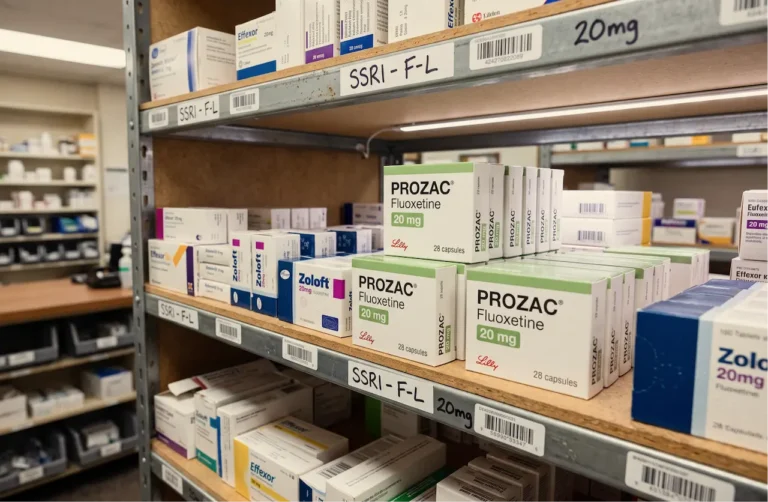
If you’re wondering about a specific online depression medication, here’s what doctors currently prescribe for depression and anxiety, grouped by how each class generally works. These classes act on different chemical messengers in the brain, and how any one person responds to a given medication varies widely.
Selective serotonin reuptake inhibitors (SSRIs) affect serotonin, a chemical messenger tied to mood, like:
| Generic name | Brand name |
| Fluoxetine | Prozac® |
| Sertraline | Zoloft® |
| Escitalopram | Lexapro® |
| Citalopram | Celexa® |
| Paroxetine | Paxil® |
Serotonin and norepinephrine reuptake inhibitors (SNRIs) affect serotonin and norepinephrine, such as:
| Generic name | Brand name |
| Venlafaxine | Effexor® XR |
| Duloxetine | Cymbalta® |
| Desvenlafaxine | Pristiq® |
Other antidepressants, including:
| Generic name | Brand name |
| Bupropion | Wellbutrin® XL |
| Mirtazapine | Remeron® |
| Vortioxetine | Trintellix® |
Also prescribed for anxiety or sleep, alongside the medications above, like:
| Generic name | Brand name |
| Buspirone | Buspar |
| Hydroxyzine | Vistaril® |
| Trazodone | Desyrel |
| Doxepin | Silenor® |
This list isn’t exhaustive. Your QuickMD doctor may prescribe other noncontrolled medications based on your history and what comes up during your evaluation.
Older classes of antidepressants, like tricyclics and MAOIs, exist too, and you may already be on one. Those aren’t usually where online treatment starts, though a doctor can still discuss your history with you.
Your doctor will check in on how you’re responding to treatment and whether you’re experiencing any changes in mood, behavior, or overall well-being. They’ll also watch for side effects or signs that your treatment may need to be adjusted.
What our doctors do not prescribe online
Our mental health program doesn’t prescribe controlled substances. That includes but is not limited to:
- Anti-anxiety and sleep medications: Klonopin®, Xanax, Ativan®, Valium®, Librium®, Restoril®, Halcion®
- Stimulants: Adderall, Ritalin®, Concerta®, Vyvanse®
- Sleep medications: Ambien®, Lunesta®
These are the medications the in-person law described above was written for.
Is it a real evaluation, or just a form?
A QuickMD mental health visit is a live appointment with your QuickMD doctor.
Your first visit runs for 30 minutes. QuickMD sets it at that length so your doctor has room to do a real evaluation, not a quick check-in. A follow-up visit usually runs 10 to 15 minutes. Before your first appointment, you’ll fill out a digital intake form that takes about 10 minutes, including brief depression and anxiety screening questions.
During the visit itself, your doctor asks about your symptoms and how long they’ve been going on. They’ll also ask about your personal and family history, plus your current medications, so they can check for any potential interactions.
Your first evaluation is about understanding the full picture, not simply confirming a diagnosis. Your doctor will consider other health conditions that can cause symptoms similar to depression and ask about your mental health history, including any past periods of unusually elevated mood or energy. This helps your doctor determine what kind of treatment may be appropriate for you.
What it costs
A QuickMD mental health visit costs $99. No insurance is required, and there’s no membership or subscription associated with it.
The $99 fee covers your visit with a QuickMD doctor; any medication you may be prescribed is a separate cost. If you have insurance or use a prescription discount card, you can ask your doctor to send your prescription to a pharmacy of your choice, where those benefits may help with the cost.
QuickMD doesn’t accept insurance at this time, so you’ll know the cost of your appointment and medication upfront.
Why so many people start online
Online mental health care has become a much more common way to get treatment. By 2022, roughly a third of antidepressant prescriptions were written after a telemedicine visit, compared with very few in 2019.
One reason may be access. Finding an in-person psychiatrist can take time, especially in areas with fewer mental health professionals. In one study across five states, fewer than one in five psychiatrists contacted were accepting new patients, and the median wait for an in-person appointment among those who were was about 67 days. Millions of people also live in areas with shortages of mental health professionals.
Our licensed doctors provide online care for common mental health concerns, including depression and anxiety, and can prescribe medication when appropriate. If your symptoms or history suggest that you’d be better served by a specialist, your doctor can help you understand that, too. Learn more about when specialized mental health care may be appropriate.
Refills, dose changes, and reaching your doctor afterward
An antidepressant usually takes about four to eight weeks to work. How long it takes for you depends on how your body and mind respond to treatment. Sleep and appetite often improve before your mood does, and energy or concentration can shift too.
Refills are handled through a follow-up visit, giving your doctor a chance to check how you’re doing before renewing your prescription. If you use QuickMD Home Delivery, you can start a refill request in the app once 60% of the days covered by your last prescription have passed.
Finding the right treatment can also take some adjustment. If your first medication or dose isn’t working well for you, your doctor can discuss changes with you at a follow-up visit rather than having you start the process over.
Because medication and treatment decisions require a clinical evaluation, refills, dose changes, medication changes, and questions about your care are handled during an appointment rather than through direct messaging. For practical issues, such as changing your pharmacy or address, dealing with a pharmacy delay, or transferring a prescription, Patient Support can help.
You can reach Patient Support seven days a week during business hours, with anything sent after hours answered the next business day:
- Live chat on our site
- Phone
- A request through your account
For an emergency, call 911. For a mental health crisis, call or text 988.
If you choose QuickMD Home Delivery, most medications arrive within three to five business days after your order is completed. You can also choose to have your prescription sent to a local pharmacy.
Who sees this: privacy and your medical record
Your mental health care is private. QuickMD telemedicine visits are subject to the same HIPAA privacy and security protections that apply to other covered health care, with safeguards in place to protect your health information.
Your records may include visit summaries, prescriptions, and lab results. If you need a copy, Patient Support can help with a records request. Requests are typically processed within five to ten business days and sent electronically. If you want QuickMD to share records with another clinician, an insurer, or another third party, you may need to complete an authorization first.
If you use QuickMD Home Delivery, medication arrives in discreet packaging. You may also be able to have your prescription sent to a local pharmacy if you prefer to pick it up.
You may also wonder whether an employer or family member can see that you received care. Because QuickMD doesn’t bill insurance for the visit, there generally isn’t an insurance claim for the appointment. If you use insurance to pay for medication at a pharmacy, however, that transaction may appear in your insurance records depending on your plan.
When an online visit is not the right starting point
An online visit isn’t the right first step for everyone. There are some cases when you’ll want to see your doctor in person. These include:
- Thoughts of harming yourself
- A history of mania, psychosis, or a bipolar diagnosis
- Several antidepressants already tried without relief
- Symptoms severe enough that you need closer, ongoing monitoring
None of that means you failed at something. It means a different kind of care fits your situation better, and we’ll point you toward it.
If you’re having thoughts of suicide or you’re in crisis right now, call or text 988 (the Suicide and Crisis Lifeline), also reachable by chat, 24 hours a day. In an emergency, call 911.
Frequently asked questions about getting antidepressants online
Do I still pay if my QuickMD doctor decides not to prescribe anything?
Yes, because the visit fee covers your doctor’s evaluation, not a guaranteed prescription. Under our refund policy, a completed visit, meaning one in which you’re able to finish a phone or video consultation with a clinician, isn’t refundable, regardless of the outcome, including if no prescription is written. A separate fee applies to a no-show or a cancellation within one hour of your visit.
Do I need a diagnosis before my first appointment?
No. The evaluation itself is where a diagnosis, if there is one, is made. You don’t need to arrive having already figured out anything.
What if I do not feel comfortable with the QuickMD doctor I see?
You can book your next appointment with any available doctor; you’re never required to stay with the one you saw first. Your visit history and prior notes carry over, so you won’t have to re-explain everything from scratch.
Is a video appointment private if I live with other people?
Headphones and a room with a door go a long way. A phone works just as well as a computer if that’s easier to arrange privately.
Can I get a work or school note from the same appointment?
Yes. See how an online doctor’s note from QuickMD works.
Disclaimer
Articles on this website are meant for educational purposes only and are not intended to replace professional medical advice, diagnosis or treatment. Do not delay care because of the content on this site. If you think you are experiencing a medical emergency, please call your doctor immediately or call 911 (if within the United States). This blog and its content are the intellectual property of QuickMD LLC and may not be copied or used without permission.
References
Schedules of Controlled Substances. 21 CFR Part 1308. https://www.ecfr.gov/current/title-21/chapter-II/part-1308
Ryan Haight Online Pharmacy Consumer Protection Act. 21 USC §829. https://uscode.house.gov/view.xhtml?req=granuleid:USC-prelim-title21-section829&num=0&edition=prelim
Temporary extension of COVID-19 telemedicine flexibilities for prescription of controlled medications. 21 CFR §1307.41. https://www.ecfr.gov/current/title-21/part-1307/section-1307.41
Zandieh S, Abdollahzadeh SM, Sadeghirad B, et al. Therapist-guided remote versus in-person cognitive behavioural therapy: a systematic review and meta-analysis of randomized controlled trials. CMAJ. 2024;196(10):E327. doi:10.1503/cmaj.230274 https://www.cmaj.ca/content/196/10/E327
US Department of Veterans Affairs Evidence Synthesis Program. Evidence brief: safety and effectiveness of telehealth-delivered mental health care. October 2022. https://www.ncbi.nlm.nih.gov/books/NBK586283/
Nagappan A, Miller A, Jain S, Oakes AH. Stimulant, antidepressant, and opioid telehealth prescription trends between 2019 and 2022. JAMA Netw Open. 2024;7(9):e2433334. doi:10.1001/jamanetworkopen.2024.33334 https://jamanetwork.com/journals/jamanetworkopen/fullarticle/2823646
Sun CF, Correll CU, Trestman RL, et al. Low availability, long wait times, and high geographic disparity of psychiatric outpatient care in the US. Gen Hosp Psychiatry. 2023;84:12-17. doi:10.1016/j.genhosppsych.2023.05.012 https://pubmed.ncbi.nlm.nih.gov/37290263/
KFF State Health Facts. Mental health care health professional shortage areas. Reporting Health Resources and Services Administration data as of December 2025. Accessed September 2026. https://www.kff.org/other-health/state-indicator/mental-health-care-health-professional-shortage-areas-hpsas/
US Department of Health and Human Services. HIPAA rules for telehealth technology. https://telehealth.hhs.gov/providers/telehealth-policy/hipaa-for-telehealth-technology
QuickMD has strict referencing policies and relies on reputable sources, including peer-reviewed research, clinical guidelines, medical organizations, and government and public health agencies, among others. Learn more about how we ensure accuracy in our content by reading our editorial guidelines.