What you’ll learn
We’ll explain what happens as you move through the different stages of menopause, what to expect in postmenopause, and also offer up some tips for taking care of your health after menopause.
If it’s 3 AM and you’re drenched in sweat, frantically searching the Internet to see if menopause ever ends, we have some good news. The symptoms you’re dealing with now, such as hot flashes, night sweats, and mood swings, will lessen or completely go away as you move through the stages of menopause. Perimenopause, the first stage, is typically when symptoms are at their worst because your hormones are all over the place. While this is a frustrating time, your hormones will eventually level out, making your symptoms less intense and more predictable.
But when? While every woman’s menopause timeline differs slightly, there are some signs to look for that indicate menopause is coming to an end. We’ll walk you through what to expect as your body moves through menopause, what postmenopausal life actually looks like, and how to take good care of yourself and your health along the way.
What causes menopause to end?
If you want to get technical, the thing about menopause is that it doesn’t “end” in the way you might think. Menopause is actually a single moment in time, the day that marks 12 months since your last period. What happens is your body moves through different stages, and each one feels different. The stages of menopause typically look like this:
- Perimenopause: This is when things start to shift. Your ovaries begin producing less estrogen and progesterone, which causes symptoms like hot flashes, irregular periods, and mood changes.
- Menopause: The milestone moment itself. Once you’ve gone 12 consecutive months without a period, you’ve officially reached menopause and moved into the next stage.
- Postmenopause: This stage lasts for the rest of your life, but many of the symptoms you’ve experienced ease up. However, you may be at an increased risk for certain conditions, such as osteoporosis or heart disease, due to lower levels of estrogen.
Postmenopause symptoms
There are several ways to tell when perimenopause is winding down, and you’re moving into postmenopause. Once you’re there, symptoms of menopause usually feel more predictable and less intense. Here are the signs to look out for:
12 consecutive months with no period
This is the marker that officially signals menopause and the end of your reproductive years. Once you pass 12 months without a period, you are in postmenopause.
Hot flashes and night sweats ease up
While these hot flashes and night sweats can linger in some women, they often become much less intense and frequent in the postmenopausal stage.
Moods become more stable
Your hormone levels stop fluctuating and stabilize to a new, lower baseline. In turn, this means that any frequent bouts of irritability and emotional whiplash settle down.
Skin, hair, and fat distribution changes
Lower baseline estrogen levels can mean thinning hair, drier and thinner skin, and fat that redistributes, often settling around your midsection.
Maintaining bone health becomes a priority
Bone loss accelerates during late perimenopause and continues through early postmenopause, which makes beefing up your bone health more important before and during perimenopause. You can help protect against bone loss by getting enough calcium and vitamin D, staying active with weight-bearing exercise and resistance training, and talking to your doctor about hormone therapy.
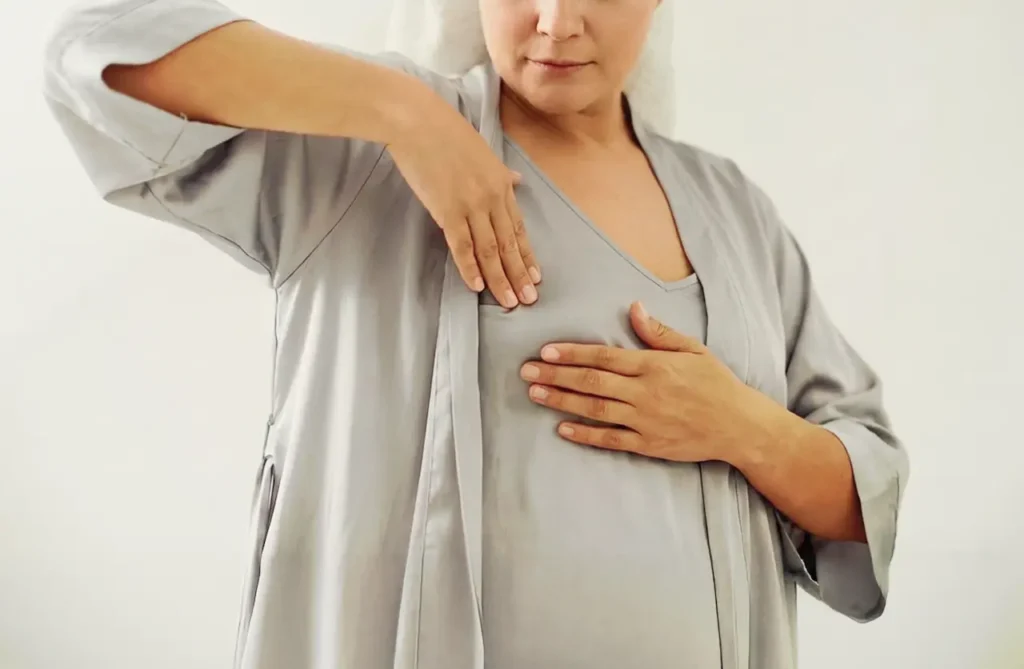
Less breast tenderness
Breast tenderness is usually tied to fluctuating hormones, which stabilize in postmenopause.
Changes in vaginal and urinary symptoms
As estrogen stays low, vaginal dryness and more frequent UTIs can become more noticeable. You might also feel more urinary urgency and frequency during perimenopause and menopause. Not to worry! These are all common and treatable symptoms, so be sure to talk with your doctor about options.
At what age are women post-menopausal?
Most women reach menopause around age 51, and postmenopause begins once you’ve gone 12 consecutive months without a period. For many women, this usually means entering postmenopause sometime in their late 40s to mid-50s. Since the age range is so wide, the timing of postmenopause is highly individual, and “normal” looks different for everyone.
Are there any postmenopausal complications?
Throughout your life, estrogen has played a role in protecting you from certain health conditions. Because your body now produces lower levels of estrogen, progesterone, and testosterone, you’re at an increased risk for some conditions. But knowing what to watch out for means you can take steps to protect yourself. Here are several conditions to watch for after menopause and some helpful tips on how to reduce your risk of developing them.
Osteoporosis
Estrogen keeps bones strong by limiting the natural process that weakens them (resorption). Lower estrogen levels mean you are at a greater risk of bone density loss, osteoporosis, and related fractures, especially during the first 3 to 5 years of postmenopause.
Reduce your risk: Schedule regular bone density screenings, get enough calcium (1,200 mg for those 50+) and vitamin D (800–1,000 IU for those 50+), and add weight-bearing exercises like walking or jogging to your routine.
Heart disease and stroke
Estrogen plays a role in blood vessel flexibility and in preventing the buildup of cholesterol on artery walls. When estrogen levels drop, your risk of heart disease and stroke gradually increases because arteries become stiffer and plaque can build up more easily.
Reduce your risk: Keep regular cardiovascular checkups, get at least 150 minutes of exercise per week, eat heart-healthy foods (leafy greens, lean proteins, healthy fats), quit smoking if you smoke, and manage your cholesterol and blood pressure with help from your doctor.
Obesity
Estrogen helps regulate muscle mass, metabolism, and fat distribution, so many women experience abdominal weight gain and changes in body composition postmenopause.
Reduce your risk: Stay active with aerobic exercise, do strength training to maintain muscle mass, and adjust your diet to cut back on sugars and processed foods.
Sexual dysfunction
Lower testosterone levels can result in lower libido, while lower estrogen can cause vaginal dryness and irritation that may make intercourse painful for some women.
Reduce your risk: Over-the-counter (OTC) lubricants and creams can help with vaginal dryness and irritation. Menopausal hormone therapy (MHT) can also help, but only if you’ve discussed it with your doctor and they find it to be a safe option for your situation. Also, be open with your partner about what does and does not feel good during intimate moments.
Urinary incontinence
Due to thinning tissue in the urinary tract, some women experience more frequent bladder infections and loss of bladder control.
Reduce your risk: Pelvic floor exercises and talking with your doctor about treatment options such as MHT or other medications can help.
Increased risk for chronic conditions
There is evidence that changes in hormone levels during menopause, along with aging, can be associated with Type 2 diabetes, non-alcoholic fatty liver disease, metabolic dysfunction, certain cancers, and neurological disorders.
Reduce your risk: Regular health screenings, lab work, and annual checkups are your best tools for catching these conditions early and managing them.
Menopause hormone therapy for the end of menopause
You don’t have to manage menopause symptoms on your own or guess at what might help. Menopausel hormone therapy (MHT) is a safe and effective option for many women. Having an honest talk with your doctor about your personal and family medical history, your symptoms, and long-range health goals can help you decide if MHT is right for you.
Here at QuickMD, you’ll work with doctors who understand menopause care at any stage. Whether you’d like to learn more about MHT, you’re concerned about the risks, or you’re just trying to figure out if what you’re going through is normal, we’re here to help you start feeling more like you again.
Frequently asked questions
Can I still get pregnant after menopause?
You cannot get pregnant naturally after menopause. However, you can get pregnant through IVF.
Should you take estrogen after menopause ends?
The decision to take estrogen during postmenopause depends on your health, symptoms, and personal risk factors. In general, starting estrogen therapy after age 60 or more than 10 years after menopause can increase certain health risks. Talk with your doctor about your family and personal health history to get the facts and make the right call for you.
Do you have hot flashes after menopause?
Yes, some women continue to have hot flashes into postmenopause, but it’s uncommon. Women who do experience hot flashes at this stage usually find they are less frequent and less intense.
Should I continue to get cervical screenings after menopause?
You may want to continue getting cervical screening after age 65 if you have certain risk factors. This includes a history of cervical lesions or cancer, if your mother took diethylstilbestrol (DES) while pregnant with you, or if you have a weakened immune system. Consult with your provider when deciding if you need to get screened and how often.