What you’ll learn
We’ll help you identify your insomnia pattern, walk through what actually works for each one (behavioral, natural, and medical), and explain why trying harder to sleep is often making things worse.
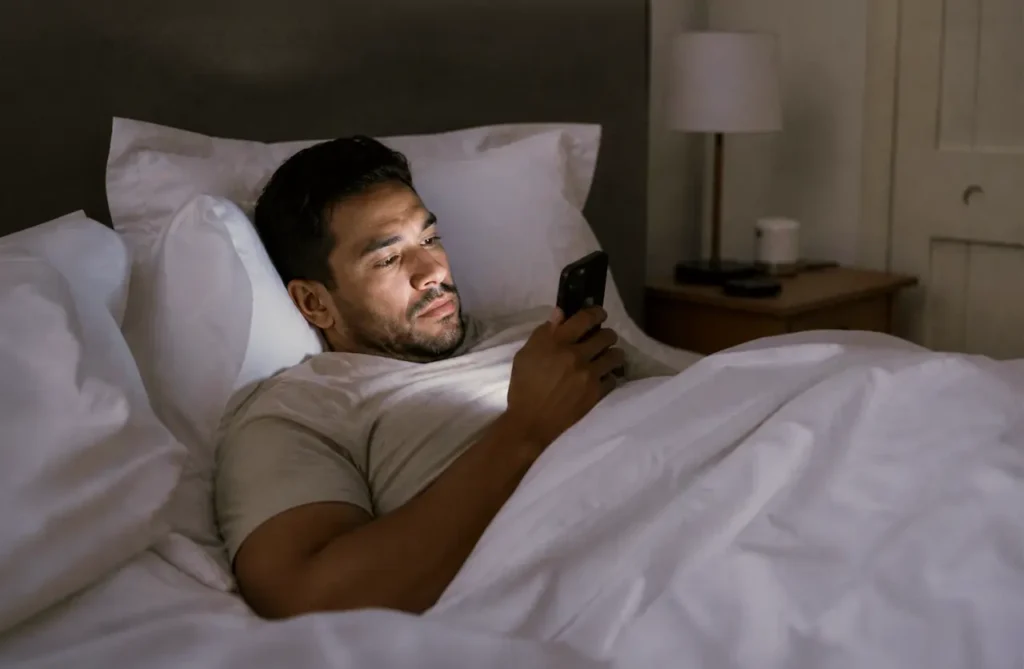
“If I fall asleep now, I’ll get 5 hours of sleep.”
“If I fall asleep now, I’ll get 3 hours of sleep.”
“If I fall asleep now, I’ll get…oh no, the birds are up and chirping already.”
If your nights still look like this after trying every sleep hack, sleep tip, and sleep trick in the book, you’re probably not looking for another bedtime checklist. You’re looking for a way to understand why sleep still isn’t happening and what options are left.
Finding the best insomnia treatment starts with the pattern. Trouble falling asleep, waking every few hours, waking too early, and sleeping but still feeling tired don’t always respond to the same approach. The same goes for how long it’s been going on. A few rough weeks after a stressful event is a different matter than three months of sleepless nights that showed up out of nowhere. Both have treatment options, but they’re not the same.
How to tell what kind of insomnia you have
If you’re not sleeping well, two details matter most when you’re figuring out what to do about it: the pattern your sleep problems follow, and how long they’ve been going on.
Most insomnia falls into one of a few common patterns, and more than one can happen at the same time.
- Trouble falling asleep: You’re in bed, lights off, but your brain is wide awake, leaving you feeling wired but tired. An hour goes by. Then maybe another two.
- Trouble staying asleep: You fall asleep without much trouble, then you’re up at 1. And again at 3. And again at 4:15.
- Waking too early: You’re up at 4:30, and that’s it, even though the alarm isn’t set for two more hours.
- Waking up still tired and unrefreshed: You technically slept for seven or eight hours, but you wake up feeling like you barely slept.
- Mixed insomnia: Your nights look like more than one of these, sometimes in the same week.
A note on timing: If you can sleep, but it’s like your body is tuned for another time zone (like your body wants to fall asleep at 3 a.m. and wake up at 11, but you have to be at work at 8), this may be delayed sleep timing, which is a circadian rhythm sleep problem rather than insomnia. It’s treated differently, mostly through light exposure and gradual schedule shifts rather than sleep medication.
The pattern is one-half of the picture. How long it’s been going on is the other. That usually falls into one of these categories:
- Acute insomnia lasts days or weeks. It’s often triggered by stress, travel, illness, or a big life change.
- Chronic insomnia happens several nights a week for three months or longer, and usually needs a more structured treatment approach.
There isn’t one fix for insomnia that works for everyone. The right treatment depends on which pattern you’re dealing with, how long it’s been going on, and what else is happening with your health.
Acute insomnia (short-term)
Acute insomnia is short-term sleep trouble that lasts anywhere from a few days to a few weeks, but less than three months overall. It’s relatively common, especially for older adults and women. Short-term insomnia is usually triggered by something specific, like:
- Stress
- Travel or jet lag
- Illness
- A schedule change
- Grief, anxiety, or a major life event
Even when insomnia is short-term, it can be a little scary. One bad, sleepless night can turn into fear of having another bad, sleepless night. You may find yourself clock-watching all night long, doing the math on how many hours of sleep you have left, dreading the sounds of early morning like chirping birds, or worrying that this is becoming your new normal.
For many people, acute insomnia eases as the trigger passes, the body readjusts, or the sleep-anxiety loop settles down. Sleep habits, relaxation techniques, light exposure during the day, and short-term OTC options can all help in the meantime. But don’t wait it out if insomnia is affecting work, school, parenting, driving, mood, or daily functioning. Asking for help sooner can break the bad sleep cycles before they harden into something longer-term.
In some cases, like jet lag, severe short-term sleep disruption, or anxiety-related insomnia, a licensed provider may discuss brief, supervised medication use or other short-term treatment options.
If insomnia has lasted three months or longer, or it keeps coming back, it may be chronic insomnia, which usually calls for a more structured approach and not another round of basic sleep tips.
Chronic insomnia
Chronic insomnia means sleep trouble that happens at least three nights a week, lasts three months or longer, and starts spilling into your daytime life. About 1 in 10 adults meet that definition.
If you’ve been dealing with this for months or years, you probably know that doing more sleep hygiene hacks isn’t enough. Sleep habits can support treatment, but they aren’t a treatment on their own. What chronic insomnia usually needs is a closer look at what’s keeping it going, and a plan built around your sleep patterns and your specific type of insomnia.
Chronic insomnia rarely has just one cause. It often starts with a trigger like stress or a big life change, then keeps running on its own because something else is feeding it. Common contributors include:
- Sleep anxiety
- Chronic pain
- Certain medications
- Hormonal changes like menopause
- Breathing problems like sleep apnea
- Restless legs
- Alcohol
- Depression or anxiety
- ADHD
- Circadian rhythm problems
The first-line treatment is cognitive behavioral therapy for insomnia (CBT-I), often combined with an evaluation to identify and address whatever else is driving the problem.
While we don’t treat chronic conditions at QuickMD, we can evaluate you and connect you with the right next step. That might be a primary care provider for ongoing care or a sleep specialist. If you’ve been struggling for months and haven’t talked to anyone yet, this is the kind of visit you can do from your couch.
Why trying harder to sleep can make insomnia worse
Sleep is one of those things that gets harder the more you try to force it. It’s like being told, no matter what, do not think about a pink elephant.
Just don’t do it. No pink elephant.
Are you thinking about a pink elephant? The more pressure you put on trying to make the thought disappear, the more your brain keeps checking whether it’s gone. Sleep can work the same way when you’re trying to force it.
If bedtime starts to feel like a chore, your brain may stay on alert even when your body is exhausted. Part of you may be asking: Am I sleepy yet? How many hours of sleep can I get? How crappy will tomorrow be if I don’t fall asleep soon?
That constant checking keeps your body wound up instead of getting relaxed for bed. Clock-watching, counting the hours left, and trying to “do everything right” can turn sleep time into something you need to actively perform instead of something you drift into.
This doesn’t mean insomnia is all in your head, or that every sleep problem is caused by anxiety. It means the pressure to sleep can become one more thing keeping you awake.
That’s why some treatments focus on reducing the struggle instead of forcing sleep on command. Cognitive behavioral therapy for insomnia (CBT-I) can help rebuild the connection between bed and sleep. Acceptance-based strategies may help when fear of wakefulness takes over. Relaxation techniques can lower arousal, but they’re not meant to work like an off switch.
On a bad night, a more useful goal may be to rest your body and lower the threat level, even if sleep doesn’t happen right away. That won’t solve every type of insomnia, but it can help interrupt the pressure on the sleep cycle.
How to treat insomnia naturally
For a lot of people, the most lasting fix for insomnia doesn’t come from medication. It comes from changing the patterns that keep your brain stuck in hyperarousal (or “awake mode”) at night. Medication has its place, but behavioral changes are usually where the long-term improvement comes from.
Cognitive behavioral therapy for insomnia (CBT-I)
Cognitive behavioral therapy for insomnia (CBT-I) is recommended by the American Academy of Sleep Medicine as the first-line option for treating chronic insomnia. It’s a structured program, usually 6 to 8 weeks long, that targets the thoughts and behaviors fueling insomnia. CBT-I targets the feedback loop we talked about in the previous section, where the pressure to fall asleep keeps your brain on high alert.
CBT-I uses a few core strategies to break that cycle:
- Stimulus control therapy (SCT) strengthens the association between the bed and sleep, so your brain stops associating it with lying awake and worrying. This means keeping your bed reserved for sleep, getting up if you can’t sleep after 15 to 20 minutes, and keeping a specific wake time.
- Sleep restriction therapy (SRT) temporarily limits time spent in bed to build up sleep drive. It sounds counterintuitive, and the first week or two can be rough. However, as your body adjusts, sleep becomes more consistent.
- Cognitive restructuring (CR) targets the worried thoughts that make sleep harder. Instead of spiraling on “I’ll be a wreck if I don’t get 8 hours,” you learn to replace that with something more grounded and realistic.
- Sleep hygiene and routine education cover the habits most people are already familiar with, like consistent wake times, morning light, limiting caffeine, and wind-down routines. What makes the CBT-I version different is that your provider helps you prioritize what actually matters for your sleep pattern.
CBT-I isn’t a quick fix, and some of the rules may feel counterintuitive early on. But studies show about 70% to 80% of patients see real improvements. If you’re not sure whether CBT-I is the right next step for you, a doctor or clinician can help you figure that out.
Sleep hygiene: building a sleep-friendly routine
Sleep hygiene is the set of daily habits, routines, and environmental changes that support better rest. It won’t cure chronic insomnia on its own, but it can make other treatments work better.
To build a more sleep-friendly routine:
- Keep your sleep and wake times consistent, including on weekends.
- Use your bed for sleep and sex only. No screens, work, or scrolling.
- Keep your bedroom cool, around 65 to 68°F (18 to 20°C).
- Block out light and noise. Blackout curtains, earplugs, or a white noise machine can help.
- Cut off caffeine 10 hours before bedtime. That’s about how long it takes for your body to clear caffeine’s effects.
- Avoid alcohol within 3 hours of bedtime. It may help you fall asleep, but it suppresses REM sleep and disrupts sleep during the second half of the night.
- Limit screens for about an hour before bed. Evening light tells your brain it’s still daytime.
- Avoid large meals within 2 to 3 hours before bed. Digestion can make it hard to settle in for sleep.
- Get some natural light in the morning. It helps anchor your sleep-wake rhythm for the rest of the day.
- Take stimulating medications (like ADHD medications, Wellbutrin, certain decongestants, etc.) earlier in the day if they interfere with sleep.
For mild or short-term insomnia, these changes may be enough to get sleep back on track. For chronic insomnia, they work best alongside CBT-I or other treatments your provider recommends.
Sleep habits are most useful when they are realistic. Not everyone has a quiet bedroom, a predictable work schedule, a separate alarm clock, or a supportive partner. When you can’t fully control your sleep environment, some small fixes can still help.
| If this is your reality | Some things to try |
| Shared apartment, noisy home, or thin walls | Mask or reduce noise with earplugs, white noise, brown noise, a fan, or headphones that are safe and comfortable for sleep. |
| Partner disrupts sleep | Depending on the disruption: separate blankets, motion-isolating mattresses, pillow barriers, staggered bedtimes, eyemasks or earplugs, vibrating alarm clocks or wearables, or medical evaluation for teeth grinding, snoring, or breathing symptoms. |
| Phone is your alarm | Leave the phone across the room, turn on Do Not Disturb, set the phone to grayscale, or use an app time limiter. |
| Shift work or rotating schedule | Block daytime light with blackout shades or an eye mask, mask daytime noise with white or brown noise, and keep a wind-down routine even at unusual hours. If your schedule rotates often, ask a provider about light therapy or melatonin timing to help your body adjust. |
| Limited control over light | Use an eye mask, blackout shades or heavy curtains, a folded blanket or towel over the window if you can’t install anything permanent (aluminium foil works in a pinch). If light seeps through doors, try under-door draft stoppers, self-adhesive weatherstripping, door curtains, or magnetic blackout shades. |
Relaxation techniques that help you fall asleep
If your insomnia includes a racing mind or a body that can’t unclench, relaxation techniques can help calm your nervous system before bed. They won’t make sleep happen instantly, but they can make it easier for your brain and body to settle. Here are a few options you can try:
- Progressive muscle relaxation: Starting at your feet and working upward, tense and release each muscle group for 5 seconds. Inhale as you tense up, exhale as you release.
- 4-7-8 breathing: Inhale for 4 seconds, hold for 7, then exhale for 8 to slow your breathing. Regular practice can help some people fall asleep faster.
- Guided meditation or mindfulness: A recorded session gives you a voice to follow instead of leaving you alone with your thoughts. Apps like Headspace or Calm have sleep-specific sessions that can redirect anxious bedtime thinking.
- Body scan meditation: Get comfortable, close your eyes, and slowly move your attention from your toes up to the top of your head, noticing any physical sensations without judgment. This can help interrupt the mental loops that keep your brain wired.
- Journaling before bed: Write down worries or tomorrow’s to-do list so your brain doesn’t keep replaying them over and over.
These work best when you practice them regularly, not just on the nights when sleep already feels out of reach.
Exercise and physical activity
Regular aerobic exercise is one of the most consistently effective natural ways to improve sleep. The World Health Organization (WHO) recommends 150 to 300 minutes of moderate aerobic exercise per week, which works out to a 30-minute brisk walk five to six days a week.
Exercise tends to help you fall asleep faster and sleep more deeply, partly by lowering stress and anxiety and partly by regulating stress hormones that can keep you wired at night. Morning or afternoon is usually the better window. Vigorous exercise within two hours of bedtime can make it harder for some people to wind down.
Slower mind-body exercises like yoga and tai chi can also help, especially the styles that pair gentle movement with breathwork. They settle the nervous system in a way that more intense exercise doesn’t.
Medical treatments for insomnia
Medication can be part of insomnia treatment, but the right one depends on your sleep pattern. A medication that helps you fall asleep may not be the right fit if your main problem is waking up every two or three hours. Some options are short-term, some are long-term, some are controlled substances, and some are prescribed off-label for sleep.
Prescription sleep medications
Prescription sleep medications can be useful when insomnia is severe, when it’s tied to a short-term trigger like grief or surgery recovery, or when behavioral and natural approaches haven’t been enough. Most are intended for short-term use. Long-term use should always be supervised by a provider, since the side effect profiles, tolerance buildup, next-day drowsiness, and dependence risks vary a lot by drug class.
If you have a history of substance use disorder, this section is worth reading carefully. Some of these medications, particularly benzodiazepines and Z-drugs, carry risks of dependence. A provider who knows your history can help you weigh whether prescription sleep medication is the right move, and which class is safest if it is.
The main FDA-approved categories are:
- Orexin receptor antagonists (suvorexant, lemborexant, daridorexant): Newer medications that block orexin, a brain chemical that keeps you awake. Often used for both trouble falling asleep and trouble staying asleep. Generally considered to have a lower dependence risk than older sleep medications.
- Non-benzodiazepine hypnotics, often called “Z-drugs” (zolpidem, eszopiclone, zaleplon): Help you fall asleep but are typically prescribed short-term because of dependence and safety concerns. These carry a black box warning of complex sleep behaviors, including sleepwalking, sleep-driving, cooking, and sexual acts that the person doesn’t remember.
- Benzodiazepines (temazepam, triazolam): Older sleep medications that may help in specific short-term situations. Higher risk of dependence, tolerance, and next-day impairment than other options.
- Low-dose doxepin (Silenor): A histamine-blocker prescribed in low doses specifically for people who fall asleep fine but wake up in the middle of the night and can’t get back to sleep. Has a lower dependence risk than most sleep medications.
Non-controlled prescription options
Some prescription medications used for sleep aren’t controlled substances, which means fewer prescribing and refill restrictions than Z-drugs or benzodiazepines. They’re sometimes used when someone needs longer-term support, or when avoiding the dependence risks of controlled sleep aids matters. Which one fits depends on your health history and your sleep pattern.
- Trazodone: An antidepressant often prescribed off-label for sleep because it tends to cause drowsiness.
- Mirtazapine: Another antidepressant that may help with sleep, especially when mood symptoms or appetite loss are also in the mix.
If you’ve been told to avoid Z-drugs or benzos, or want to, one of these may be the answer. A doctor can help you figure out which.
Natural supplements for insomnia: what actually works
Sleep supplements are easy to find, but the packaging often makes them sound more reliable than the research actually supports. Some OTC options can genuinely help in specific situations. Others can cause side effects or interact with medications you’re already on. Before starting melatonin, an antihistamine, or any herbal sleep aid, you may want to run it by your provider, especially if you’re on other medications or have an existing health condition.
Melatonin
Melatonin can help with certain types of insomnia, but it doesn’t work like a traditional sleep medication. It doesn’t sedate you or make you sleepy the way something like Benadryl or NyQuil might. It works more like a timing signal telling your brain, “It’s nighttime now!”
Melatonin is most useful in situations where your sleep timing is off, like:
- Jet lag
- Shift work
- Delayed sleep phase, when you naturally fall asleep very late
- Short-term sleep trouble from travel or schedule changes
For most people, lower doses (0.3 to 1 mg) taken about two hours before the target bedtime work better than the 5 to 10 mg doses sold in most stores. More melatonin doesn’t mean better sleep.
Melatonin is less likely to help with chronic insomnia, especially if you’re waking up repeatedly in the night or struggling to stay asleep. The problem in those cases usually isn’t timing. It tends to involve sleep habits, stress, or anxiety about sleep itself, which melatonin can’t reach.
Other OTC supplements worth knowing about
Beyond melatonin, a handful of other OTC options get recommended for sleep, with mixed evidence behind them. None is a substitute for treating ongoing insomnia, but some can take the edge off in specific situations.
| OTC option | Best for | Evidence level | What the evidence shows |
| Valerian root | Mild, occasional sleep trouble | Limited and mixed | Some people report feeling more relaxed, but study results are inconsistent. |
| Magnesium | Sleep trouble linked with tension, stress, or possible deficiency | Moderate to limited | Stronger evidence in people who are already low in magnesium. For people with normal levels, the effect is smaller. |
| L-theanine | Racing thoughts or pre-sleep anxiety | Limited | May promote a calm-but-alert state without strong sedation. Direct evidence for treating insomnia is thin. |
| CBD | Sleep trouble tied to anxiety | Limited and still developing | Some evidence it may help with anxiety-related sleep issues. Product quality, dosing, and legal status vary widely by state and brand. |
| Diphenhydramine (Benadryl, ZzzQuil) | An occasional rough night, like before a stressful event | Works for drowsiness, not ideal for routine use | It can make people sleepy, but tolerance and next-day grogginess are common. Regular use is not recommended, especially in older adults. |
Supplements aren’t regulated by the FDA for effectiveness, and quality varies a lot between brands. Diphenhydramine is FDA-approved as an OTC sleep aid, but that doesn’t mean it’s the right call for ongoing insomnia. If you’re already on prescription medications, taking other supplements, or working through an ongoing sleep treatment plan, talk to your provider before adding something new. Some of these can interact with medications in ways you may not expect.
How to choose the right insomnia treatment for you
With this many insomnia treatment options, knowing where to start can feel like its own problem. Two questions can help point the way: how long has your sleep trouble been going on, and would you rather start with behavioral changes, medication, or some combination?
| Treatment option | Best for |
| Sleep hygiene changes | A foundation used alongside other treatments. Sometimes enough on its own for mild or short-term insomnia |
| Relaxation techniques | Racing thoughts, bedtime anxiety, physical tension, or trouble winding down |
| CBT-I | Chronic insomnia, or when behavioral changes alone aren’t enough |
| Exercise and physical activity | Long-term sleep support, stress reduction, and steadier sleep overall |
| Melatonin | Jet lag, shift work, delayed sleep timing, or other schedule-related sleep trouble |
| Other OTC sleep aids | Occasional, short-term sleeplessness |
| Prescription sleep medications | Severe insomnia, short-term disruption, or symptoms affecting daily functioning |
| Non-controlled prescription options | Ongoing support when controlled sleep aids aren’t the right fit |
What to think about before talking to a doctor
If you’re heading to the doctor about your sleep, there are a few questions you may want to think through ahead of time. They’re the same things a licensed provider will likely ask, and having rough answers ready makes the visit faster and more useful:
- When did this start, and what was going on in your life around then? Stress, a new medication, a death, a move, a new baby, a new job. The trigger often points to the treatment.
- What does a typical night actually look like? When you go to bed, how long it takes to fall asleep, what wakes you up, and what time you finally get up.
- What’s running through your head when you can’t sleep? Racing thoughts, replaying conversations, dread about the next day, body-level restlessness, leg discomfort. The texture matters.
- What are you doing during the day and evening? Caffeine, alcohol, naps, screens late at night, and exercise timing.
- What have you already tried? Over-the-counter sleep aids, melatonin, prescription medications, apps, podcasts, and supplements. What helped, what didn’t, what made things worse.
When to talk to a QuickMD clinician for insomnia
Behavioral changes, relaxation techniques, and OTC supplements can help a lot of people sleep better, especially when insomnia is short-term. But if sleep problems have been going on for more than a few weeks and are affecting your life, it’s time for an evaluation.
At QuickMD, our licensed clinicians and doctors can help you figure out a plan to help with your insomnia. We’ll talk about what’s going on, what you’ve tried and how that worked out, and what insomnia has been doing to your life. We may be able to prescribe medication if it makes sense for you. If your situation calls for longer-term treatment or a sleep specialist, we can point you in the right direction and provide a referral.
Frequently asked questions about insomnia treatment
Can insomnia be cured?
It depends on which kind you’re dealing with. Acute insomnia, which can show up after stress, illness, or a schedule change, often improves once the trigger passes or with short-term help. Chronic insomnia is usually something you manage over time. CBT-I and other treatments can reduce symptoms significantly and lower the chance of relapse, but a permanent cure is not always the realistic goal. The realistic goal is sleep that works most nights.
How long does insomnia treatment take?
For acute insomnia, you may see improvement within days to a couple of weeks, especially once the trigger eases. For chronic insomnia, CBT-I typically runs 6 to 8 weeks. Medication timelines depend on the drug and the situation, and many prescription sleep medications are used short-term rather than as a long-term solution.
What helps insomnia immediately?
Nothing works instantly. The fastest move at 2 a.m. isn’t a sleep aid; it’s lowering the pressure to fall asleep. If you’ve been lying awake for 20 minutes or more, get out of bed. Do something quiet and low-stimulation in dim light until you feel sleepy again, then go back. Trying harder to sleep almost always backfires, so the goal is to stop trying and let it happen.
Disclaimer
Articles on this website are meant for educational purposes only and are not intended to replace professional medical advice, diagnosis or treatment. Do not delay care because of the content on this site. If you think you are experiencing a medical emergency, please call your doctor immediately or call 911 (if within the United States). This blog and its content are the intellectual property of QuickMD LLC and may not be copied or used without permission.
References
Aggarwal, B. (2024). Count down–not sheep–to a good night’s sleep. ColumbiaDoctors. https://www.columbiadoctors.org/news/count-down-not-sheep-good-nights-sleep
Alnawwar, M. A., Alraddadi, M. I., Algethmi, R. A., Salem, G. A., Salem, M. A., & Alharbi, A. A. (2023). The effect of physical activity on sleep quality and sleep disorder: A systematic review. Cureus, 15(8). https://pmc.ncbi.nlm.nih.gov/articles/PMC10503965/
Arab, A., Rafie, N., Amani, R., & Shirani, F. (2022). The role of magnesium in sleep health: A systematic review of available literature. Biological Trace Element Research, 201(1). https://www.researchgate.net/publication/358731543_The_Role_of_Magnesium_in_Sleep_Health_a_Systematic_Review_of_Available_Literature
Ariza-Salamanca, D. F., Venegas, M., Karem Parejo, Amado, S., Echeverry, J., & Calderón-Ospina, C. A. (2025). Expert consensus on the use of diphenhydramine for short-term insomnia: Efficacy, safety, and clinical applications. Journal of Clinical Medicine, 14(10), 3297–3297. https://pmc.ncbi.nlm.nih.gov/articles/PMC12112657/
Bent, S., Padula, A., Moore, D., Patterson, M., & Mehling, W. (2006). Valerian for sleep: A systematic review and meta-analysis. The American Journal of Medicine, 119(12), 1005–1012. https://www.ncbi.nlm.nih.gov/pmc/articles/PMC4394901/
Body scan meditation (greater good in action). (2026). Ggia.berkeley.edu. https://ggia.berkeley.edu/practice/body_scan_meditation
Breus, M. (2021). How journaling can help you sleep . Www.psychologytoday.com. https://www.psychologytoday.com/us/blog/sleep-newzzz/202106/how-journaling-can-help-you-sleep
Bulman, A., D’Cunha, N. M., Marx, W., Turner, M., McKune, A., & Naumovski, N. (2025). The effects of L-theanine consumption on sleep outcomes: A systematic review and meta-analysis. Sleep Medicine Reviews, 81, 102076. https://www.sciencedirect.com/science/article/pii/S1087079225000292?utm_source=chatgpt.com
Cleveland Clinic. (2023). Insomnia. https://my.clevelandclinic.org/health/diseases/12119-insomnia
Cognitive behavioral therapy for insomnia (CBTI). (2021). Division of Sleep Medicine Harvard Medical School . https://sleep.hms.harvard.edu/education-training/public-education/sleep-and-health-education-program/sleep-health-education-64
Espie, C. A. (2011). Paradoxical intention therapy. Behavioral Treatments for Sleep Disorders, 61–70. https://www.med.upenn.edu/cbti/assets/user-content/documents/Espie_ParadoxicalIntentionTherapy-BTSD.pdf
Gotter, A. (2018). What is the 4-7-8 breathing technique? Healthline; Healthline Media. https://www.healthline.com/health/4-7-8-breathing
Gupta, S. (2023). CBD for sleep: Can CBD help you relax and fall asleep? GoodRx. https://www.goodrx.com/well-being/sleep/cbd-for-sleep
Harris, M. (2023). The pink elephant problem. Www.psychologytoday.com. https://www.psychologytoday.com/us/blog/letters-from-your-therapist/202303/the-pink-elephant-problem
Kaur, H., Spurling, B. C., & Bollu, P. C. (2023). Chronic insomnia. PubMed; StatPearls Publishing. https://www.ncbi.nlm.nih.gov/books/NBK526136/
Matysiak, S. (2025). We tried it: Does setting your phone to grayscale reduce screen time? Healthline; Healthline Media. https://www.healthline.com/health/we-tried-it-does-setting-your-phone-to-grayscale-reduce-screen-time
Momin, R. R., & Ketvertis, K. (2020). Short term insomnia. PubMed; StatPearls Publishing. https://www.ncbi.nlm.nih.gov/books/NBK554516/
Rosenberg, R., Citrome, L., & Drake, C. L. (2021). Advances in the treatment of chronic insomnia: a narrative review of new nonpharmacologic and pharmacologic therapies. Neuropsychiatric Disease and Treatment, Volume 17, 2549–2566. https://pmc.ncbi.nlm.nih.gov/articles/PMC8354724/
Rossman, J. (2019). Cognitive-Behavioral therapy for insomnia: An effective and underutilized treatment for insomnia. American Journal of Lifestyle Medicine, 13(6), 544–547. https://www.ncbi.nlm.nih.gov/pmc/articles/PMC6796223/
Sleep meditation: What it is, benefits and how to do it. (2023). Cleveland Clinic. https://health.clevelandclinic.org/sleep-meditation
Solan, M. (2023). Try this: Progressive muscle relaxation for sleep. Harvard Health. https://www.health.harvard.edu/staying-healthy/try-this-progressive-muscle-relaxation-for-sleep
Sun, S.-Y., & Chen, G.-H. (2021). Treatment of circadian rhythm sleep–wake disorders. Current Neuropharmacology, 19(6). https://pmc.ncbi.nlm.nih.gov/articles/PMC9886819/
Walker, J., Muench, A., Perlis, M. L., & Vargas, I. (2022). Cognitive behavioral therapy for insomnia (CBT-I): A primer. Klin Spec Psihol, 11(2), 123–137. https://pmc.ncbi.nlm.nih.gov/articles/PMC10002474/
Your guide to healthy sleep. (2011). In National Heart, Lung, and Blood Institute. https://www.nhlbi.nih.gov/files/docs/public/sleep/healthy_sleep.pdf
Zweig, J., Gohar, A., & Bhat, A. (2024). Insomnia in adults in the primary care clinic setting. Missouri Medicine, 121(5), 379. https://pmc.ncbi.nlm.nih.gov/articles/PMC11482854/
QuickMD has strict referencing policies and relies on reputable sources, including peer-reviewed research, clinical guidelines, medical organizations, and government and public health agencies, among others. Learn more about how we ensure accuracy in our content by reading our editorial guidelines.