What you’ll learn
We’ll break down what’s in kava and kratom tonics, what to know about kratom and kava, the warning signs of dependence to watch for, and when it might be time to talk to a licensed doctor.
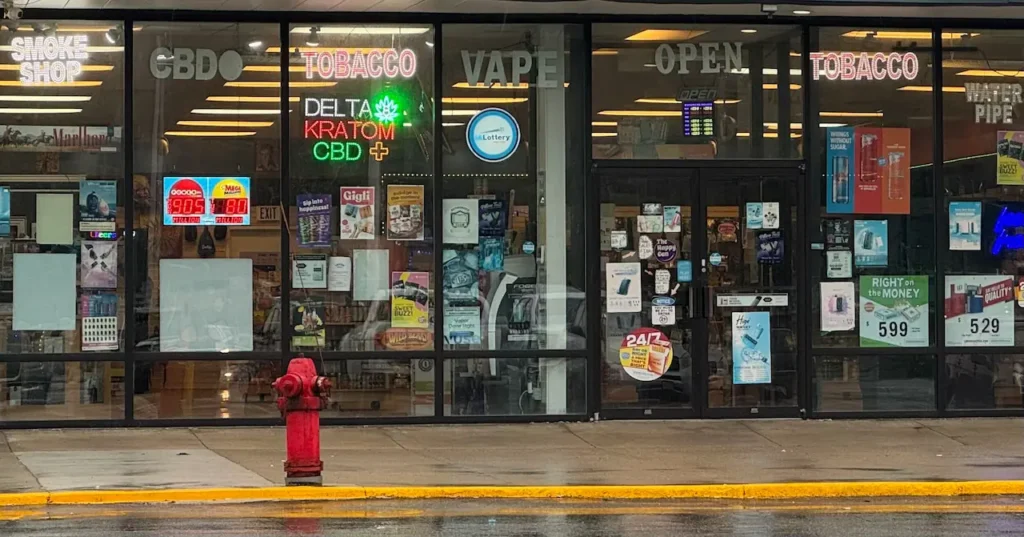
You’ve probably come across kava and kratom tonics at a gas station, smoke shop, or convenience store, often marketed for energy, relaxation, or mood support. These drinks combine two plant-based ingredients, kava and kratom, that are both psychoactive. Some consumers have shared concerns and personal experiences online about frequent use, dependence, and difficulty stopping.
Kratom products, in particular, are unregulated substances that have been linked to addiction and cravings. It acts on the same brain receptors as opioids, which is a big part of why tolerance can build quickly and lead to dependence and withdrawal. If a kava and kratom tonic has worked its way into your daily routine and you’re trying to stop, this is a good place to start.
Kratom naturally contains a small amount of a compound called 7-OH, which gives kratom its strongest opioid-like effects. The amount and concentration of active compounds can vary across kratom products, which can make it difficult for consumers to know exactly how much they are taking. In response, the U.S. Food and Drug Administration has issued warnings that kratom is an “unsafe food additive” and is “not lawfully marketed as a dietary supplement.”
What’s in a kava and kratom tonic?
Kava and kratom tonics are herbal supplement drinks sold at smoke shops, gas stations, and convenience stores, as well as online. They combine two psychoactive, plant-based ingredients: kava and kratom.
People use these drinks for effects like relaxation, energy, or mood support. Because both ingredients are psychoactive and can affect the nervous system, it’s worth understanding their effects and the risks that come with regular use. Kratom especially has been associated with physical dependence and withdrawal in some people.
Kava
Kava is a root from the South Pacific that’s traditionally been used in drinks for relaxation and ceremonial purposes. Its effects can include relaxation, changes in mood, and feelings of euphoria.
Kava has a different dependence profile than substances like opioids or alcohol, but some people still develop patterns of regular or habitual use. The FDA has also linked kava-containing products to severe liver injury, including hepatitis, cirrhosis, and liver failure, in dozens of reported cases.
Kratom
Kratom comes from Southeast Asian tree leaves and contains compounds that work on the same brain receptors as opioids. At lower doses, it acts more like a stimulant, while higher doses produce opioid-like sedative effects. People take it for energy, focus, relaxation, and pain relief.
The FDA has determined that kratom is an unsafe food additive. Because kratom acts on opioid receptors, it carries a bigger addiction risk than kava, especially in products containing concentrated 7-OH, one of kratom’s active compounds. 7-OH and kratom’s other primary alkaloid, mitragynine, bind to the same mu-opioid receptors in the brain as opioid drugs like codeine.
Regular use can lead to dependence, withdrawal symptoms, and substance use disorder. Both the FDA and DEA have been tracking kratom and 7-OH closely: in mid-2026, HHS and the FDA backed a DEA move to begin the process of placing concentrated 7-OH into Schedule I of the Controlled Substances Act.
Potential side effects of kava and kratom
Kava and kratom can cause side effects that vary depending on factors such as the amount used, frequency of use, and individual health factors.
Common side effects:
- Nausea, vomiting, or constipation
- Elevated heart rate
- High blood pressure
- Dehydration
- Fatigue or grogginess
- Mood swings and irritability
More serious effects with regular or heavy use:
- Physical dependence
- Withdrawal symptoms, including shaking, tremors, sweating, and intense cravings
- Liver damage (usually linked to kava)
- Seizures, especially during withdrawal
If you’re experiencing severe abdominal pain, yellowing of the skin or eyes, chest pain, or seizure activity after using a kava and kratom tonic, contact your doctor right away and go to the nearest emergency room.
Can regular use of these tonics lead to dependence?
Regular use of kratom -containing tonics may lead to physical dependence, tolerance, and withdrawal symptoms in some people. Kratom’s active compounds interact with opioid receptors, which helps explain why repeated use can lead to these effects.
People in recovery from opioid use disorder may face additional risks with kratom-containing products. Because kratom interacts with opioid receptors, using it may trigger cravings or create added challenges for someone working to maintain their recovery.
Kava doesn’t act on those receptors, but it delivers a mild euphoric buzz while easing stress. For some people, repeated use can turn into a pattern of relying on it to cope with stress or difficult emotions. Because kratom and kava both have psychoactive effects, using them together (as they’re combined in these tonics) may produce different or stronger effects than using either ingredient alone.
Kratom and concentrated 7-OH products aren’t FDA-approved for medical use, and how much of each active ingredient is actually in a given drink can vary. That makes it hard for anyone to know exactly how much they’re consuming.
Risk factors for dependence include:
- A history of substance use disorder, especially opioid use disorder
- Using kratom- or 7-OH-containing tonics regularly to manage stress, anxiety, or low mood
- Using them more frequently or in larger amounts over time
- Not recognizing the potential risks of regular kratom or 7-OH use
Signs that regular use may be becoming dependence
If your use of a kava and kratom tonic has become more frequent, or you’re finding it hard to cut back, here are a few signs worth watching for:
- Trying it for a quick boost.
Some people start with these tonics for a burst of energy, better focus, relaxation, or a mood lift. At this stage, the risks of regular use may not be top of mind, especially if it’s still occasional.
- Using it more regularly.
If occasional use becomes part of a daily routine, one tonic to start the day, another to push through a busy afternoon, one more when energy dips but the to-do list doesn’t, that shift toward feeling like it’s “necessary” is worth noticing.
- Relying on it for mood or stress relief.
Tough day? Feeling tired or anxious? When reaching for a tonic starts to feel like a normal or necessary part of coping, your relationship with the product may be changing.
- Needing more to feel the same effect.
When the amount that used to work for an energy boost stops cutting it, that’s tolerance building. One tonic becomes two, then three.
- Feeling uncomfortable without it.
Cravings, mood swings, or difficulty getting through everyday tasks when you try to cut back can be signs that dependence is forming.
- Continuing despite negative effects.
If use is affecting sleep, mood, finances, relationships, recovery, or health, and stopping still feels hard, that’s worth discussing with a healthcare professional.
When to seek professional addiction support
Addiction is a medical condition, not a moral failing or a lack of willpower. It changes how the brain handles cravings and decisions, and it responds well to treatment, including medication, therapy, and ongoing support. Common signs of dependence include:
- Consuming it more often than intended.
- Needing more to feel the same effect.
- Feeling anxious, irritable, or uncomfortable without it.
- Withdrawal symptoms when you cut back or stop.
- Hiding your use from others.
- Continuing to use it even as it affects your health, recovery, relationships, finances, or work.
If you’re concerned about your use, or finding it difficult to cut back or stop, consider talking with a healthcare professional. A doctor can help you understand your symptoms, manage withdrawal, and build a plan for reducing or stopping safely.
If kava and kratom tonics have gotten harder to step away from, our doctors at QuickMD can help. We offer same-day virtual visits for kratom and 7-OH dependence and ongoing recovery support. Reach out whenever you’re ready. We’ll be here.
Get support for kratom or 7-OH dependence with QuickMD
If your use has become more frequent or you’re finding it difficult to cut back or stop, you can get help figuring out your next steps.
Disclaimer
Articles on this website are meant for educational purposes only and are not intended to replace professional medical advice, diagnosis or treatment. Do not delay care because of the content on this site. If you think you are experiencing a medical emergency, please call your doctor immediately or call 911 (if within the United States). This blog and its content are the intellectual property of QuickMD LLC and may not be copied or used without permission.
References
Mayo Clinic. (2024). Kratom: Unsafe and ineffective. https://www.mayoclinic.org/diseases-conditions/prescription-drug-abuse/in-depth/kratom/art-20402171
U.S. Food and Drug Administration (FDA). (2025). FDA and Kratom. https://www.fda.gov/news-events/public-health-focus/fda-and-kratom
Luciano, L., Busch, N., Fichten, L. (2025). Popular supplement kratom faces scrutiny over addiction concerns: “It’s ruining people’s lives.” CBS News. https://www.cbsnews.com/news/kratom-supplement-addiction-concerns/
Dador, D., (2025). Viral kratom supplement sparks health warnings and social media scrutiny. ABC 7 Eyewitness News. https://abc7.com/post/viral-kratom-supplement-sparks-health-warnings-social-media-scrutiny/17960498/
Swift, M. (2025). What are “gas station drugs”? Medical professionals warn of addictive effects. TribLIVE.com. https://triblive.com/local/regional/what-are-gas-station-drugs-medical-professionals-warn-of-addictive-effects/
Hill, K., Boyer, E.W., Smith, K.E. (2025). Clinically characterizing adults who use kava or kratom: Substance use disorder assessment challenges for increasingly popular botanical products. Drug and alcohol dependence reports. https://pmc.ncbi.nlm.nih.gov/articles/PMC12663646/
Bian, T., Corral, P., Wang, Y., et al. (2020). Kava as a clinical nutrient: promises and challenges. Nutrients. 2020;12(10). doi:https://doi.org/10.3390/nu12103044
Gold, M.S. (2025). Let’s get kava-fied. Psychology Today. https://www.psychologytoday.com/us/blog/addiction-outlook/202505/lets-get-kava-fied
Sanderson, M., Rowe, A. (2019). Kratom. Canadian Medical Association Journal. 2019;191(40):E1105-E1105. https://pmc.ncbi.nlm.nih.gov/articles/PMC6779532/
U.S. Food and Drug Administration. (2019). FDA and kratom. U.S. Food and Drug Administration. https://www.fda.gov/news-events/public-health-focus/fda-and-kratom
Towers, E.B., Williams, I.L., Holstege, C.P., Farah, R. (2026). Increase in poison center reports linked to kratom-containing kava products — national poison data system, United States, 2000–2025. MMWR Morbidity and Mortality Weekly Report. 2026;75(12):157-163. https://www.cdc.gov/mmwr/volumes/75/wr/pdfs/mm7512a1-H.pdf
Dufour, J., Lin, X.L., Wang, J., et al. (2024). The safety of multiple-dose liquid blend containing kava and kratom in healthy adults. Cureus. https://assets.cureus.com/uploads/original_article/pdf/322479/20250113-1657486-6qk2tf.pdf
National Institutes of Health, Office of Dietary Supplements. Kava. Updated August 2024. Accessed August 14, 2026. https://ods.od.nih.gov/HealthInformation/kava.aspx
QuickMD has strict referencing policies and relies on reputable sources, including peer-reviewed research, clinical guidelines, medical organizations, and government and public health agencies, among others. Learn more about how we ensure accuracy in our content by reading our editorial guidelines.