What you’ll learn
We’ll cover what kratom does in the body, the side effects it can cause, and when those side effects mean it’s time to call a doctor or immediately dial 911.
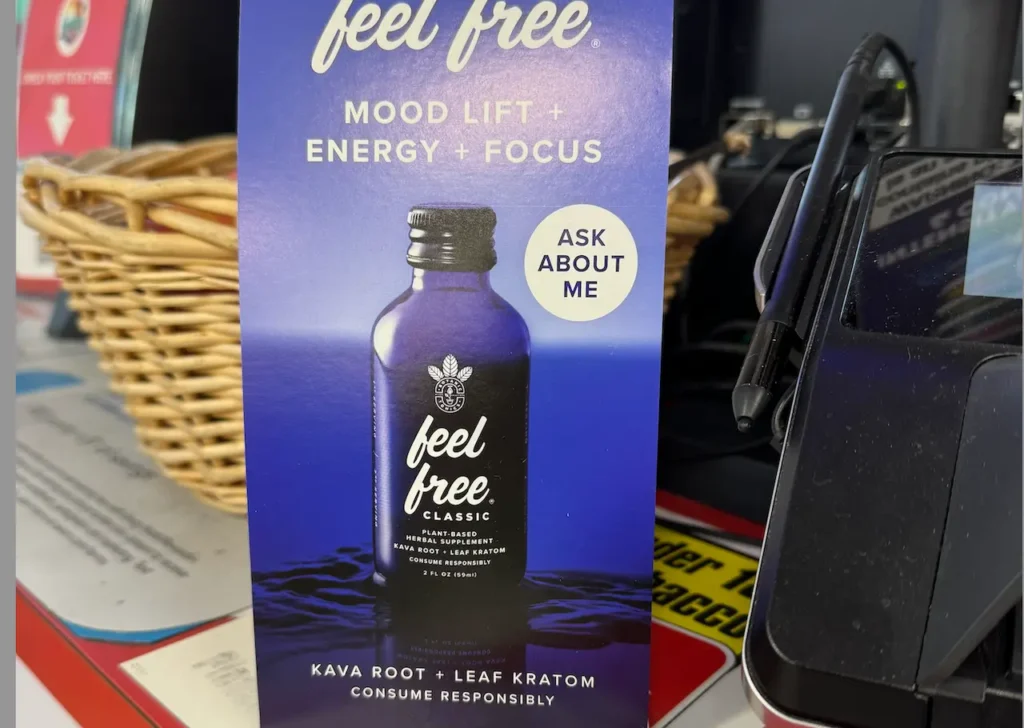
Lately, you may have heard a lot in the news about a substance called kratom. Kratom is sold like a supplement and marketed like an energy and wellness product. What it actually does is act on the same brain receptors as opioids. The mismatch between why someone might try kratom and what it does in the body is why some may underestimate the risks.
Underestimating the dangers of kratom is also why people who thought they were purchasing a “harmless” pick-me-up at a convenience store often wind up dealing with serious side effects.
Kratom side effects range from mild (nausea, dizziness, drowsiness) to serious (liver problems, seizures, dependence, withdrawal). And the risk associated with kratom climbs with stronger products, frequent use, or mixing with other substances. Colorful packaging and friendly marketing promises don’t change any of that.
What is kratom?
Kratom comes from the leaves of a tree native to Southeast Asia, but most people in the U.S. encounter it on gas station shelves, in vape shops, or online. Its two main active compounds, mitragynine and 7-hydroxymitragynine (often called 7-OH), act on the same brain receptors triggered by opioid use. 7-OH is the more potent of the two, and some products are concentrated to contain a lot more of it than a natural kratom leaf would ever have.
At lower doses, kratom tends to act like a stimulant. At higher doses, it has more of a sedating effect, closer to an opioid. People try kratom for many reasons, including pain, anxiety, low energy, low mood, or attempting to manage opioid withdrawal symptoms. It’s important to note that using kratom for opioid withdrawal is risky because it is not an approved treatment, its strength is unpredictable, and it can create its own dependence and withdrawal cycle.
One of the issues with kratom is that it isn’t a consistent, regulated product with predictable effects. It’s sold in a variety of forms, including powder, capsules, tablets, tea, liquid shots, extracts, and gummies. Depending on how these products are formulated, strength varies wildly between them because kratom isn’t FDA-regulated. Extracts and shots, especially, can pack far more active compounds than the label suggests, which can be more than your body is prepared for.
On top of that, some products contain things you don’t exactly want to take due to:
- Contaminants like heavy metals, salmonella, or other impurities.
- Fortified or altered ingredients, where manufacturers add or chemically tweak kratom compounds to make the product more potent.
- Inaccurate labels, with wrong or missing information about dose, strength, ingredients, or serving size.
This is why kratom side effects can range from mild (nausea, dizziness, drowsiness) to genuinely dangerous (fast heartbeat, high blood pressure, liver problems, seizures, dependence, withdrawal, overdose). You can take the “same” product twice and get two completely different experiences. A tablet or shot that felt manageable last month can hit harder this month if the formulation has changed.
Common side effects of kratom
Kratom doesn’t affect everyone the same way, and it often doesn’t affect the same person the same way twice. How you respond depends on the dose, the potency of the product, what else is in the bottle, and your own health history. With regular use or stronger products, dependence and withdrawal can show up on top of the more immediate effects.
However, some side effects are common enough to recognize, especially if you’re using kratom regularly or taken in stronger forms.
Kratom side effects at low doses
When used in lower doses, there are some common side effects that can occur with kratom use.
- Jitters or restlessness: You may feel wired, shaky, or unable to settle down.
- Anxiety or irritability: Kratom can make some people feel more nervous, tense, or emotionally reactive.
- Fast heartbeat: Racing heart, palpitations, or a noticeable jump in blood pressure.
- Sweating or flushing: A warm, clammy feeling that can show up even when you’re not doing anything physical.
- Nausea or stomach discomfort: Even lower amounts can upset the stomach, especially with stronger products.
- Dizziness or lightheadedness: An unsteady or “off” feeling that can make driving or certain physical tasks a bad idea.
- Trouble sleeping: If kratom is acting as a stimulant for you, it can make it harder to fall or to stay asleep.
Kratom side effects at higher doses or with concentrated products
At higher doses, or with products that contain more concentrated kratom compounds, side effects shift toward sedation and start to look more opioid-like. These effects get more dangerous when kratom is mixed with alcohol, opioids, benzodiazepines, sleep medications, or anything else that slows the body down.
- Drowsiness or sedation: You may feel unusually sleepy, slowed down, or unable to stay alert.
- Brain fog or confusion: Harder to think clearly, focus, or make decisions.
- Poor coordination: Slowed reactions and unsteady movement that can increase the risk of falls, accidents, or injuries.
- Nausea or vomiting: Stomach symptoms usually get worse as the dose climbs.
- Constipation: Kratom’s opioid-like effects can slow digestion and make bowel movements harder or less frequent.
- Itching: Some people get itchy or develop uncomfortable skin sensations, similar to the body sensations opioids can cause.
- Mood changes: Higher amounts may cause irritability, agitation, anxiety, or a not-quite-yourself feeling that doesn’t go away.
In some cases, kratom has been linked to high blood pressure, seizures, and overdose risk, especially when other substances are involved. If kratom use is affecting your health, you can begin addiction treatment online through QuickMD today.
Long-term side effects of kratom
With regular use, kratom side effects may become less about one bad reaction and more about a pattern: needing more to get the same effect, feeling unwell without it, or continuing to use it even when it’s causing problems. The FDA warns that kratom use has been associated with serious adverse events, including liver toxicity, seizures, and substance use disorder. We offer kratom and 7-OH treatment with virtual visits often available the same day, no waiting rooms.
Long-term or frequent use may increase the risk of:
- Dependence: Your body may start to rely on kratom products to feel normal.
- Withdrawal symptoms: Stopping or cutting back can bring cravings, body aches, sweating, diarrhea, anxiety, and trouble sleeping. The heavier the use, the rougher this tends to be.
- Tolerance: Over time, you may need more kratom to feel the same effect, which compounds other risks on this list.
- Sleep disruption: Insomnia, poor sleep quality, or a back-and-forth pattern of using kratom to wake up and wind down.
- Mood or anxiety changes: Regular use can worsen baseline anxiety, irritability, or low mood, especially between doses.
- Liver problems: Liver injury has been reported in people who use kratom regularly, sometimes after months of use.
- Substance use disorder: Kratom can drive the same use patterns as other opioid-like substances.
- Higher risk from mixing substances: Long-term use alongside alcohol, opioids, benzodiazepines, or other medications puts ongoing strain on the liver, heart, and nervous system.
When to seek medical help
Kratom side effects can turn serious fast, especially if it is taken alongside alcohol, opioids, benzodiazepines, sleep medications, or other substances. Get medical help right away if you or someone else has any of these symptoms:
- Trouble breathing, slow breathing, or blue lips.
- Chest pain, fainting, or an irregular heartbeat.
- Extreme drowsiness, or being unable to wake someone up.
- Severe confusion, agitation, hallucinations, or unusual behavior.
- A seizure.
- Severe vomiting, dehydration, or not being able to keep fluids down.
- Yellowing skin or eyes, dark urine, or severe pain in the upper-right side of the belly.
- Withdrawal symptoms that feel unmanageable, like intense anxiety, vomiting, diarrhea, shaking, sweating, or overwhelming cravings.
Call 911 if someone collapses, has a seizure, can’t be woken up, or is struggling to breathe. If you’re on the fence about whether something counts as an emergency, treat that uncertainty as your answer and call anyway.
If someone is showing opioid-like overdose signs (slow breathing, blue lips, can’t be woken up), give naloxone (Narcan) if it’s available and call 911 right away. Naloxone may help with opioid-like respiratory depression, but kratom and 7-OH products can cause other serious effects, too, so emergency care is still essential.
Once you’re in care, doctors can stabilize breathing and heart function, treat seizures or severe agitation, get fluids back into the body, and screen for any other substances that might be making things worse. The faster it starts, the better the outcome.
Begin your kratom recovery with QuickMD
If kratom or 7-OH is getting harder to stop than you expected, you don’t have to figure this out by yourself. Here at QuickMD, our doctors and team of clinicians help people work through kratom & 7-OH dependence and withdrawal.
Frequently asked questions about kratom’s negative effects
Does kratom cause erectile dysfunction (ED)?
Kratom can contribute to ED, especially with frequent or heavy use. Its opioid-like activity and effects on the nervous system can lower libido and make arousal harder, similar to what people experience with other opioid-affecting substances. If you’ve noticed changes in your sex life that line up with how much kratom you’ve been using, it may not be a coincidence and something you can talk about with your provider.
Does kratom cause hair loss?
Hair loss isn’t a typical kratom side effect, but some people do notice shedding or thinning. When it happens, it’s usually tied to the things that come with heavy kratom use rather than the kratom itself: poor sleep, stress, weight changes, or nutritional gaps. If your hair is changing and your kratom use has changed too, those are probably connected, just indirectly.
Does kratom cause seizures?
Seizures have been reported with kratom use, especially at high doses or when it’s combined with other substances. The risk is higher for people who already have a seizure history or take medications that lower the seizure threshold. A seizure is always an emergency, so if one happens, call 911.
Does kratom cause diarrhea?
It can, but it can also do the opposite. Some people get diarrhea, especially with newer use or when switching products. Others get constipated because of kratom’s opioid-like effect on the gut. Both reactions are common and tend to depend on the dose, the product, and how your body is responding.
Does kratom cause mood swings?
Yes, and not just during use. Some people notice irritability, anxiety, or a low mood as kratom wears off, almost like a small comedown each time. With regular use, that pattern can settle in and start affecting baseline mood between doses.
Why does kratom make me throw up?
Nausea and vomiting are among the most common kratom side effects, especially with stronger products or higher doses. Kratom can irritate the stomach directly, and like other opioid-acting substances, it can trigger the body’s nausea response when the dose is too much. The first time it happens with a new product, that’s useful information about the product or the dose. When it starts happening regularly, something has changed in tolerance, dosing, or what you’re actually taking, and that’s a conversation to have with your provider.
Disclaimer
Articles on this website are meant for educational purposes only and are not intended to replace professional medical advice, diagnosis or treatment. Do not delay care because of the content on this site. If you think you are experiencing a medical emergency, please call your doctor immediately or call 911 (if within the United States). This blog and its content are the intellectual property of QuickMD LLC and may not be copied or used without permission.
References
Anwar, M., Law, R., & Schier, J. (2016). Notes from the field: Kratom (mitragyna speciosa) exposures reported to poison centers — united states, 2010–2015. MMWR. Morbidity and Mortality Weekly Report, 65(29), 748–749. https://www.cdc.gov/mmwr/volumes/65/wr/mm6529a4.htm
Arhin, M., Mobley, J., Hamad, H., & Remick, P. (2023). Successful management of kratom use disorder with buprenorphine and naloxone. Curēus. https://www.ncbi.nlm.nih.gov/pmc/articles/PMC10386870/
Brown, P. N., Chan, M., Zhang, X., & Brendler, thomas. (2025). Elevated 7-hydroxymitragynine levels found in products misbranded as kratom. Journal of AOAC International. https://pmc.ncbi.nlm.nih.gov/articles/PMC12733965/
Kratom. (2012). PubMed; National Institute of Diabetes and Digestive and Kidney Diseases. https://www.ncbi.nlm.nih.gov/books/NBK548231/
Kratom. (2022). NCCIH. https://www.nccih.nih.gov/health/kratom
Laboratory analysis of kratom products for heavy metals. (2019). U.S. Food and Drug Administration. https://www.fda.gov/news-events/public-health-focus/laboratory-analysis-kratom-products-heavy-metals
Lydecker, A. G., Sharma, A., McCurdy, C. R., Avery, B. A., Babu, K. M., & Boyer, E. W. (2016). Suspected adulteration of commercial kratom products with 7-hydroxymitragynine. Journal of Medical Toxicology, 12(4), 341–349. https://pmc.ncbi.nlm.nih.gov/articles/PMC5135684/
National Institute on Drug Abuse. (2022). Kratom. National Institute on Drug Abuse. https://nida.nih.gov/research-topics/kratom
Towers, E. B., Thomas, Y. T., Holstege, C. P., & Farah, R. (2026). Increases in kratom-related reports to poison centers — national poison data system, united states, 2015–2025. MMWR. Morbidity and Mortality Weekly Report, 75(11), 139–145. https://www.cdc.gov/mmwr/volumes/75/wr/mm7511a1.htm
U.S. Food and Drug Administration. (2019). FDA and kratom. U.S. Food and Drug Administration. https://www.fda.gov/news-events/public-health-focus/fda-and-kratom
What is kratom? (2024). Poison.org. https://www.poison.org/articles/kratom
Deebel, N., Scarberry, K., O’Connor, C., et al. (2023). Investigating the Impact of Kraton (Mitragyna speciosa) Use Upon Male Sexual Health. Res Rep Urol. 2023 Feb 10;15:69–76. doi: 10.2147/RRU.S390094 . https://pmc.ncbi.nlm.nih.gov/articles/PMC9926986/
Bolt Pharmacy. (2026). Kratom & Hair Loss. https://www.boltpharmacy.co.uk/guide/kratom-and-hair-loss
QuickMD has strict referencing policies and relies on reputable sources, including peer-reviewed research, clinical guidelines, medical organizations, and government and public health agencies, among others. Learn more about how we ensure accuracy in our content by reading our editorial guidelines.