What you’ll learn
We’ll walk you through what happens during your first Suboxone® appointment, from the questions your doctor will ask to what you’ll walk away with, so there are no surprises.
The hardest part of starting Suboxone® treatment usually isn’t the appointment itself. It’s not knowing what the appointment looks like. What will the provider ask? Will you need to bring anything? How long does it take before you actually get a prescription? That uncertainty keeps a lot of people stuck, sometimes for weeks or months, even after they’ve already decided they want help. This guide walks you through every step of your first visit so you know exactly what’s coming and can focus on what matters most: getting started.
The visit itself is really just a conversation. Your QuickMD doctor isn’t there to test you or judge you. They want to understand where you are right now and help you figure out a treatment plan that makes sense for your life. There’s no script you need to follow, and there are no wrong answers. The more honest you are, the more your doctor can help.
Knowing what to expect ahead of time takes some of the pressure off. Instead of worrying about what might happen, you can walk into the appointment focused on what matters most: getting the help you came for.
What is the first Suboxone appointment?
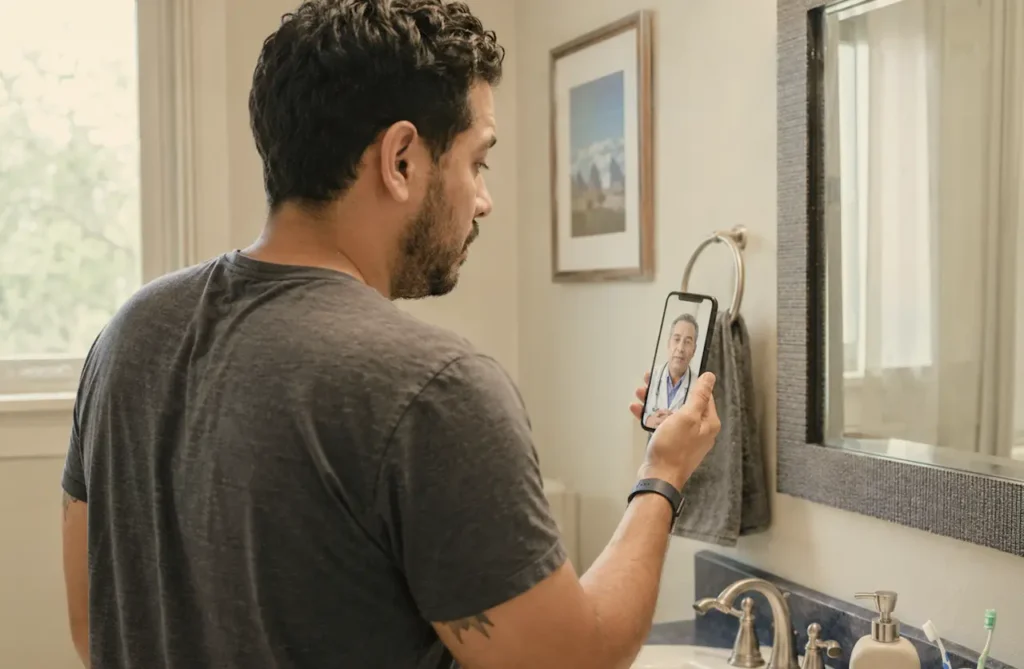
At QuickMD, the first Suboxone appointment is called the induction appointment. It’s a private video or phone visit with a licensed clinician who specializes in opioid use disorder (OUD) treatment. The visit costs $99.
The induction appointment has two goals: 1) understanding where you are and 2) getting you started on treatment.
How to prepare for your first visit
A little preparation goes a long way. Before your online Suboxone appointment, it helps to have a few things ready to make sure everything runs smoothly.
- Your photo ID. Make sure your ID was issued by the state you’re currently in. That’s a federal requirement for prescribing Suboxone (buprenorphine-naloxone) via telemedicine.
- A clear sense of your opioid use history. You don’t need to have exact numbers. Honest, general answers are what matter here.
- Your last use. Suboxone needs to be started at the right time in the withdrawal process, and your QuickMD doctor will ask about this to help you dose safely.
- Any medications you’re currently taking. Certain medications can interact with buprenorphine-naloxone (Suboxone), so your doctor needs a full picture of what you’re already taking.
- Your preferred pharmacy. Your prescription can be sent to your preferred pharmacy, or if you’re interested in home delivery, let your QuickMD doctor know, and they can walk you through that option.
For a more thorough look at how to get ready, see our guide How to use Suboxone safely and make treatment work for you.
What to expect during your Suboxone consultation
Once your visit starts, your QuickMD doctor will lead the conversation. There’s no set script, but you can expect to discuss the following topics:
Your substance use history
This is where the information you prepared—what you’ve been using, how often, and for how long comes in. They may also ask about past treatment attempts, including any previous experience with Suboxone or other medications for opioid use disorder. This helps them understand what’s worked, what hasn’t, and what makes the most sense going forward.
Your physical health
Your doctor will ask a few basic health questions, things like existing medical conditions, allergies, or medications that could affect how Suboxone works for you. They’re building a picture of your overall health to make sure your treatment is safe and appropriate.
Your current withdrawal symptoms
Suboxone must be taken at the right point in the withdrawal process. Taking it too early (before withdrawal symptoms show up) can trigger something called precipitated withdrawal, which causes sudden and severe symptoms. Your QuickMD doctor will walk you through how to tell when the timing is right.
Your goals for treatment
At the first visit, many patients are experiencing withdrawal, severe cravings, or anxiety, so the priority is helping them feel better and creating a plan to stabilize their symptoms. Once you’re feeling more comfortable, typically at the second visit and beyond, your clinician will spend more time discussing what recovery looks like for you, the goals you’re working toward, and whether additional support, such as counseling or peer support groups, could help you along the way.
What happens at the end of the visit?
If Suboxone is the right fit, your doctor will write a prescription for a seven-day supply, which is standard for the induction period, giving your doctor a chance to check how the medication is working and make any dosage adjustments before moving to a longer supply.
Your prescription gets sent directly to your pharmacy the same day, or, if eligible, you can choose home delivery and have your medication delivered to your door. After that, you should schedule your follow-up within 5-7 days to check how the medication is working so your doctor can make any necessary changes before continuing with monthly visits.
What the first days on Suboxone feel like
A lot of people wonder what changes right away. The honest answer is that the first few days look different for everyone, depending on your situation. Some people feel significant relief from cravings and withdrawal within hours of their first dose. Others need a few days and some dosage adjustments before things settle in.
Common experiences in the first days include:
- Reduced cravings. Buprenorphine, one of the active ingredients in Suboxone, works on the same opioid receptors as other opioids, which helps quiet the craving signals your brain has been sending.
- Withdrawal relief. Most people notice a real drop in withdrawal symptoms once they take their first dose at the right time.
- Mild side effects. Some people experience headache, nausea, or trouble sleeping in the first few days. These often ease up as your body adjusts.
- Fatigue or sedation. Feeling drowsy is normal early on, especially if you’ve been running on little sleep during withdrawal.
For a detailed look at the adjustment period, read The first 7 days on Suboxone.
Will it feel awkward to talk about this online?
This is one of the most common concerns people have before their first online Suboxone appointment, and it’s worth addressing directly. It can feel strange to talk about something this personal over a video or phone call with someone you’ve never met.
QuickMD clinicians work with patients managing opioid use disorder every day. They’ve heard every version of every story, and they’re not there to judge you or make you feel embarrassed. The visit is private and HIPAA-compliant, and it takes place from wherever you’re most comfortable: your home, your car, or wherever you have a few minutes to yourself.
Many patients find the online format easier. There’s no waiting room, no parking lot, no running into someone you know. It’s just you and your doctor, focused on your health.
What if Suboxone isn’t the right fit?
Suboxone works well for many people with opioid use disorder, but it’s not the only option, and it’s not right for every situation. If your doctor determines that a different approach would work better based on your health history or where you are right now, they’ll walk you through what else is available. The goal is always to find what helps you most, not to push a specific medication.
Frequently asked questions about your first Suboxone appointment
Do I need to be in active withdrawal before my first Suboxone appointment?
You don’t need to be in active withdrawal at the time of your appointment, but you will need to be in withdrawal before you take your first dose. Your doctor will walk you through the timing during the visit and help you recognize when withdrawal has progressed enough to start safely. The timing depends on what opioid you’ve been using and how long-acting it is.
Can I eat or drink before my first Suboxone appointment?
Yes, eating or drinking before the appointment itself is fine. The timing concern comes after you start taking Suboxone: it’s recommended to avoid eating, drinking, or brushing your teeth for around 30 minutes before and after your dose, since these things can affect how the medication absorbs under your tongue.
Can QuickMD prescribe Suboxone if I’ve tried it before and stopped?
Yes. A previous experience with Suboxone, including stopping treatment at some point, doesn’t prevent you from starting again. Your QuickMD doctor will want to understand what led to stopping before, since that context helps inform how to approach treatment this time. Many people start Suboxone treatment more than once before finding the approach that sticks.
Disclaimer
Articles on this website are meant for educational purposes only and are not intended to replace professional medical advice, diagnosis or treatment. Do not delay care because of the content on this site. If you think you are experiencing a medical emergency, please call your doctor immediately or call 911 (if within the United States). This blog and its content are the intellectual property of QuickMD LLC and may not be copied or used without permission.
References
Opioid Use Disorder, Cleveland Clinic https://my.clevelandclinic.org/health/diseases/24257-opioid-use-disorder-oud
QuickMD has strict referencing policies and relies on reputable sources, including peer-reviewed research, clinical guidelines, medical organizations, and government and public health agencies, among others. Learn more about how we ensure accuracy in our content by reading our editorial guidelines.